San Diego Home Inspection Checklist: What Every Buyer Must Know
A comprehensive guide to protecting your investment by understanding critical inspection points before closing on your San Diego property.

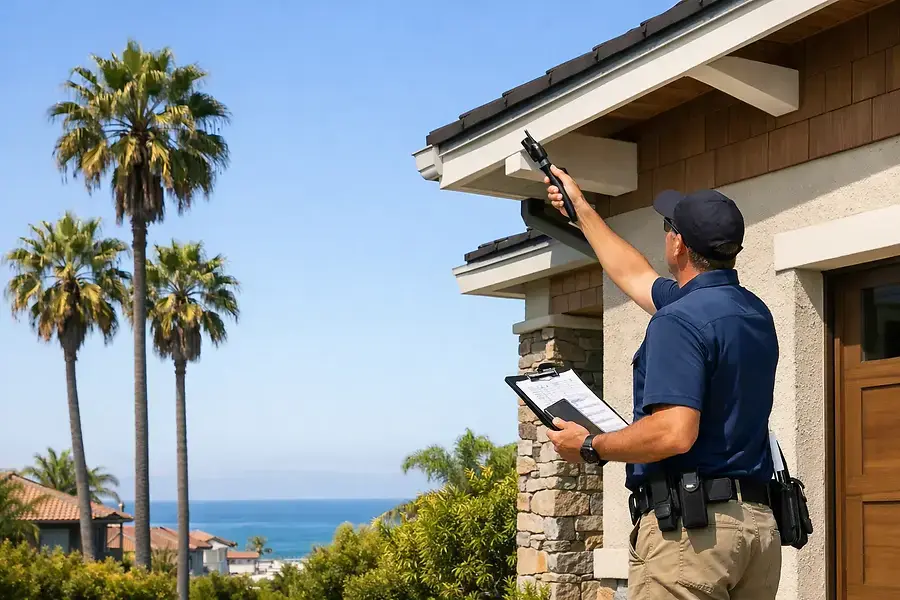
Why Home Inspections Matter in San Diego's Market
Purchasing a home is one of the most significant financial decisions you'll make, and in San Diego's competitive real estate market, a thorough home inspection is your best defense against costly surprises. A professional home inspection provides an objective assessment of your potential property's condition, identifying issues that could affect your safety, comfort, and investment value.
San Diego's unique climate and coastal environment present specific challenges that standard inspections in other regions might not address. From salt air corrosion to foundation issues caused by expansive soils, understanding what to look for can save you thousands of dollars in repairs after closing.
Essential Systems and Structural Elements to Evaluate
Roof and Exterior
Your roof is your home's first line of defense against the elements. Inspectors should evaluate:
- Shingle condition and age (typical lifespan is 15-25 years)
- Flashing around chimneys, vents, and skylights
- Signs of leaks or water damage in attic spaces
- Gutter and downspout functionality
Foundation and Structural Integrity
San Diego's clay-heavy soils can shift seasonally, affecting foundations. Look for:
- Visible cracks in foundation walls or concrete slabs
- Uneven floors or doors that don't close properly
- Water intrusion or moisture in basement or crawl spaces
- Evidence of previous foundation repairs
Plumbing Systems
Water-related issues are among the most expensive to repair. Inspectors should check:
- Water pressure and flow rates
- Pipe material and condition (galvanized pipes may need replacement)
- Presence of leaks under sinks and around toilets
- Proper drainage and septic system functionality
Electrical Systems
Outdated electrical systems pose safety risks. Evaluate:
- Panel capacity and condition
- Presence of aluminum wiring (fire hazard)
- Proper grounding and GFCI outlets in wet areas
- Updated circuit breakers rather than fuses
HVAC and Climate Control
While San Diego's mild climate reduces heating needs, proper air conditioning is essential:
- Age and efficiency of air conditioning units
- Proper refrigerant levels
- Ductwork condition and insulation
- Thermostat functionality
Common San Diego-Specific Issues: Coastal Damage, Foundation, and Pest Concerns
Coastal Corrosion and Salt Air Damage
Properties near the coast face unique challenges from salt air exposure. Salt corrodes metal components, including:
- HVAC units and metal roofing
- Plumbing fixtures and water heaters
- Electrical components and outdoor wiring
- Metal railings and structural supports
Pro Tip: If your property is within 5 miles of the coast, request a specialized coastal inspection to identify salt damage early.
Foundation Movement and Soil Issues
San Diego's expansive clay soils expand when wet and contract when dry, causing foundation movement. Signs include:
- Stair-step cracks in drywall or brick
- Gaps between walls and ceilings
- Doors and windows that stick or won't close
- Visible foundation cracks wider than 1/4 inch
Pest and Termite Concerns
San Diego's warm climate is ideal for pests. A thorough inspection should include:
- Evidence of termite damage or active infestations
- Wood-to-soil contact that attracts termites
- Rodent droppings or entry points
- Pest damage to structural wood members
Consider hiring a separate pest control inspector for a detailed termite and pest assessment.
How to Use Inspection Results to Negotiate and Protect Your Purchase
Understanding Your Inspection Report
A comprehensive inspection report categorizes findings by severity. Familiarize yourself with:
- Critical Issues: Safety hazards requiring immediate attention
- Major Issues: Significant repairs needed within 1-2 years
- Minor Issues: Maintenance items or cosmetic concerns
Negotiation Strategies
Armed with inspection findings, you have several options:
- Request Repairs: Ask the seller to fix critical and major issues before closing
- Price Reduction: Negotiate a lower purchase price to cover repair costs
- Escrow Holdback: Hold funds in escrow to ensure repairs are completed
- Walk Away: Use inspection results as justification to exit the deal if issues are severe
Protecting Your Investment Long-Term
Don't let inspection results gather dust after closing. Create an action plan:
- Schedule repairs promptly, prioritizing critical issues
- Maintain detailed records of all repairs and maintenance
- Establish a preventative maintenance schedule for major systems
- Consider a home warranty for additional protection
A thorough home inspection isn't just about finding problems—it's about making an informed decision and protecting one of your most valuable assets.
Final Thoughts
In San Diego's dynamic real estate market, a comprehensive home inspection is your best investment. By understanding what to look for, recognizing region-specific concerns, and using inspection results strategically, you can confidently move forward with your purchase knowing you've done your due diligence. Don't skip this critical step—your future self will thank you.