San Diego Home Inspections: Critical Checkpoints Every Buyer Must Know
Discover the essential areas every San Diego homebuyer should evaluate during inspections to avoid costly surprises.

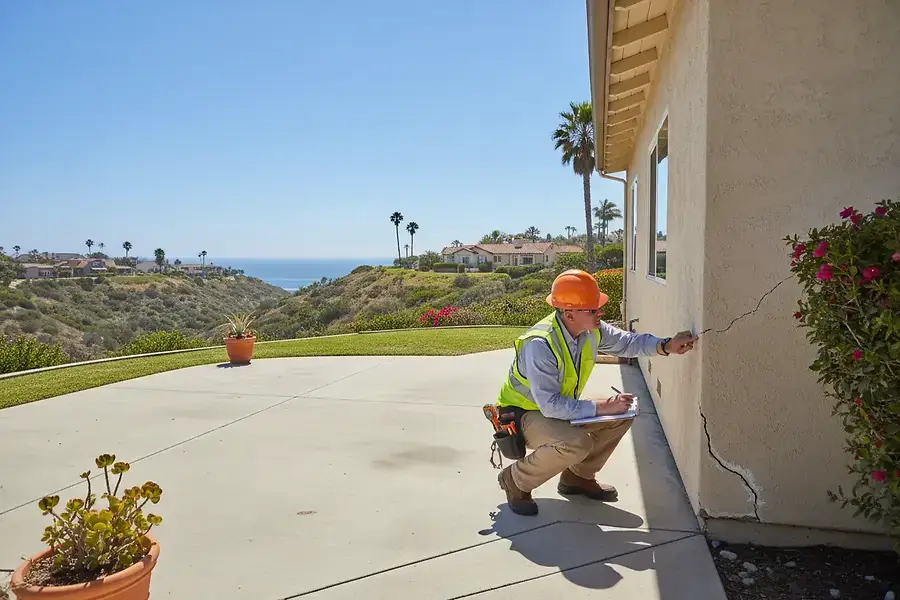
Introduction: Why Home Inspections Matter in San Diego's Competitive Market
San Diego's real estate market moves fast. Properties sell quickly, and buyers often feel pressured to make rapid decisions. However, skipping or rushing through a home inspection is one of the costliest mistakes a buyer can make. A thorough home inspection is your opportunity to uncover hidden problems before you commit to one of the largest purchases of your life.
In San Diego's unique climate—with its year-round sunshine, salt air, and occasional moisture issues—homes face specific challenges that inspectors must carefully evaluate. Whether you're buying a historic property in Old Town, a modern condo downtown, or a suburban home in the North County, understanding what to look for during an inspection can save you tens of thousands of dollars in repairs.
A professional home inspection provides peace of mind and gives you leverage in negotiations. It's not just about identifying problems; it's about making an informed decision with full knowledge of your future home's condition.
Structural and Foundation Issues to Evaluate in San Diego Homes
Foundation Integrity and Settling
San Diego's diverse geology means foundation issues vary significantly by location. Some areas sit on stable bedrock, while others have expansive clay soils that shift with moisture changes. During your inspection, look for:
- Visible cracks in the foundation, particularly diagonal or stair-step patterns
- Uneven floors or doors that don't close properly
- Water stains or moisture in basements or crawl spaces
- Evidence of previous foundation repairs or underpinning
Minor hairline cracks are common, but larger cracks or signs of active settling warrant further investigation by a structural engineer. This is especially important in older San Diego neighborhoods where homes may have settled over decades.
Roof Condition and Weather Resistance
San Diego's mild climate is deceptive—while we rarely experience heavy snow or ice, our roofs still face challenges from intense UV exposure, salt air corrosion, and occasional heavy rains. Your inspector should evaluate:
- Roof age and remaining lifespan (most roofs last 15-25 years)
- Missing, cracked, or curling shingles
- Proper flashing around chimneys, vents, and skylights
- Signs of water damage or leaks in the attic
- Gutter condition and proper drainage
A roof replacement can cost $10,000-$25,000 or more, making this one of the most important structural elements to assess.
Exterior Walls and Moisture Intrusion
San Diego's coastal properties are particularly vulnerable to moisture and salt damage. Inspectors should examine:
- Stucco cracks or deterioration (common in older San Diego homes)
- Wood rot in siding, trim, or fascia boards
- Proper grading and drainage away from the foundation
- Caulking condition around windows and doors
- Evidence of past water damage or mold
Systems Assessment: HVAC, Plumbing, and Electrical Components
Heating, Ventilation, and Air Conditioning
While San Diego rarely experiences extreme cold, air conditioning is essential during summer months. Your inspector should evaluate:
- Age and condition of the AC unit (typical lifespan: 10-15 years)
- Proper refrigerant levels and system efficiency
- Furnace or heat pump functionality
- Ductwork condition and proper insulation
- Thermostat operation and programming capability
Replacing an HVAC system can cost $5,000-$15,000, so understanding the age and condition is crucial for budgeting.
Plumbing Systems and Water Quality
San Diego's water infrastructure and home plumbing systems require careful evaluation. Key inspection points include:
- Pipe material (copper, PVC, galvanized steel) and condition
- Water pressure and flow rate throughout the home
- Water heater age, type, and functionality
- Presence of leaks under sinks, in walls, or in crawl spaces
- Proper venting and slope of drain lines
- Septic system condition (if applicable in your area)
Older San Diego homes may have outdated galvanized pipes prone to corrosion, or polybutylene pipes that can fail unexpectedly. These issues can be expensive to remedy and should be factored into your offer.
Electrical Systems and Safety
Electrical safety is non-negotiable. Your inspector should verify:
- Panel capacity and condition (older homes may have insufficient capacity)
- Proper grounding and bonding throughout the home
- GFCI outlets in kitchens, bathrooms, and outdoor areas
- Absence of outdated knob-and-tube wiring
- Proper circuit breaker operation
- Adequate lighting and outlet placement
Outdated electrical systems can pose fire hazards and may require costly upgrades to meet current code requirements. This is especially important in San Diego's older neighborhoods where homes may have original 1920s-1950s electrical systems.
Conclusion: Using Inspection Findings to Negotiate and Protect Your Investment
A thorough home inspection is your most valuable tool as a buyer. Armed with detailed inspection findings, you have several options:
- Negotiate repairs: Request that the seller fix significant issues before closing
- Request credits: Ask for a credit toward repairs you'll handle yourself
- Renegotiate price: Use inspection findings to justify a lower offer
- Walk away: If issues are too extensive, you can terminate the contract during the inspection period
San Diego's competitive real estate market makes it tempting to skip detailed inspections or accept a home "as-is." However, investing in a professional inspection is one of the smartest decisions you can make. The cost of an inspection—typically $300-$600—is minimal compared to the potential savings from identifying problems early.
Choose a certified, experienced home inspector familiar with San Diego's unique climate and construction styles. Ask for a detailed written report and don't hesitate to ask questions about any findings. Your future home—and your financial security—depends on it.