San Diego Home Inspections: What Every Buyer Absolutely Needs to Know
Discover the critical inspection points that protect your investment and reveal hidden property issues before you commit.

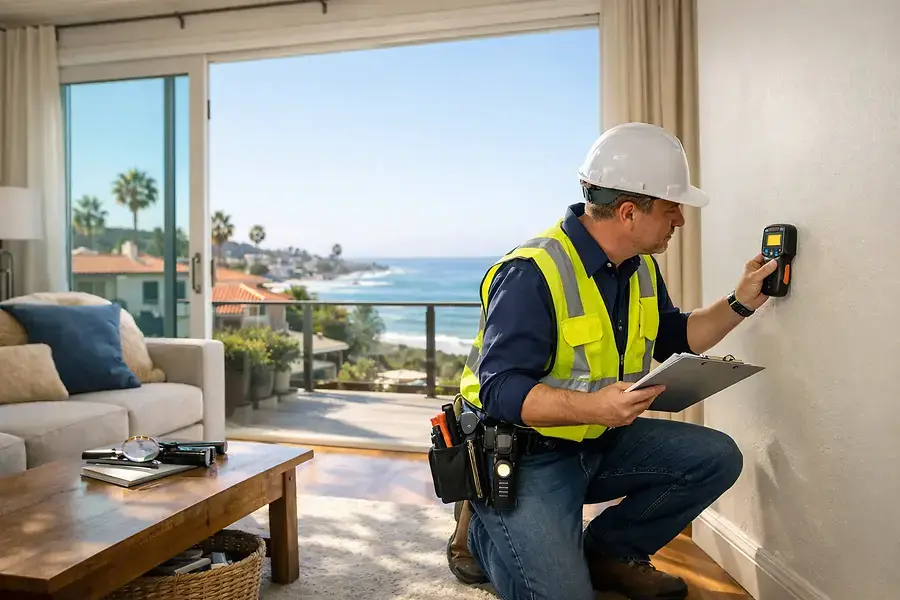
Why Home Inspections Matter in San Diego's Competitive Market
In San Diego's fast-paced real estate market, buyers often feel pressured to make quick decisions and submit offers rapidly. However, skipping or rushing through a home inspection can be one of the costliest mistakes you'll make. A professional home inspection is your opportunity to uncover hidden problems before you're legally bound to a purchase.
San Diego's unique climate—with its coastal salt air, intense sun exposure, and occasional heavy rains—creates specific challenges for properties. These environmental factors can cause accelerated wear on roofing materials, foundation issues, and corrosion problems that aren't immediately visible. A thorough inspection protects your investment and gives you leverage in negotiations.
The inspection period typically lasts 7-10 days, giving you time to review findings and decide whether to renegotiate, request repairs, or walk away from the deal. This window is invaluable in protecting yourself from purchasing a property with significant undisclosed issues.
Key Areas Inspectors Evaluate in San Diego Properties
Roof and Exterior Structures
San Diego's intense UV rays and salt air take a toll on roofing materials. Inspectors examine shingles for curling, missing pieces, and signs of deterioration. They also assess the condition of gutters, downspouts, and flashing around chimneys and vents. A roof replacement can cost $10,000-$25,000, making this one of the most critical inspection areas.
The exterior walls, siding, and paint are evaluated for water damage, cracks, and proper sealing. Coastal properties require special attention to salt spray damage and corrosion on metal components.
Foundation and Structural Integrity
San Diego's soil composition and occasional seismic activity make foundation inspection essential. Inspectors look for:
- Cracks in the foundation or concrete slabs
- Signs of settling or shifting
- Water intrusion or moisture damage
- Proper drainage around the foundation
- Evidence of previous repairs or reinforcement
Foundation issues can be expensive to repair and may affect the property's insurability and resale value.
Plumbing and Water Systems
Inspectors test all water fixtures, check for leaks under sinks and in walls, and evaluate the main water line. In San Diego, older copper pipes may show signs of corrosion, and some properties may have outdated galvanized pipes that restrict water flow. The water heater's age, condition, and capacity are also assessed.
Proper drainage and septic system functionality (if applicable) are critical to preventing costly water damage and health hazards.
Electrical Systems
A qualified inspector examines the electrical panel, tests outlets for proper grounding, and checks for outdated wiring. San Diego homes built before the 1980s may have aluminum wiring, which poses fire risks. The inspector verifies that the electrical system meets current safety codes and can handle modern appliance loads.
HVAC and Climate Control
Given San Diego's mild climate, many homes have minimal heating systems but rely heavily on air conditioning. Inspectors evaluate the age and condition of AC units, furnaces, and ventilation systems. A new air conditioning system can cost $5,000-$10,000, so understanding the current system's remaining lifespan is crucial.
Insulation and Weatherproofing
Proper insulation affects energy efficiency and comfort. Inspectors check attic insulation levels, window seals, and weatherstripping. In San Diego's variable climate, good insulation helps maintain consistent indoor temperatures and reduces utility costs.
Red Flags and How to Respond to Inspection Findings
Major Red Flags That Require Attention
Some inspection findings are serious enough to reconsider your purchase:
- Foundation cracks or settling: Requires structural engineer evaluation and can indicate expensive repairs ahead
- Roof damage or age: A roof nearing the end of its lifespan will need replacement soon
- Mold or water damage: Indicates moisture problems that can affect health and structural integrity
- Outdated electrical systems: May require complete rewiring for safety and code compliance
- Plumbing issues: Leaks, corrosion, or low water pressure suggest costly repairs
- HVAC system failure: Replacement costs are substantial and should be factored into your offer
How to Respond to Inspection Findings
Request Repairs: Ask the seller to fix major issues before closing. This is most effective for significant problems that affect safety or structural integrity.
Request Credits: The seller provides a credit at closing to cover repair costs. This gives you flexibility to choose contractors and manage the work yourself.
Renegotiate the Price: Use inspection findings to justify a lower offer price that accounts for necessary repairs.
Walk Away: If major issues are discovered and the seller won't negotiate, you have the right to terminate the purchase during the inspection period.
Document everything in writing and work with your real estate agent to ensure all agreed-upon repairs or credits are reflected in the final purchase agreement.
Minor Issues vs. Major Concerns
Not every inspection finding requires action. Minor issues like worn caulking, small paint touch-ups, or minor landscaping problems are typically considered normal wear and tear. Focus your negotiation efforts on items that affect safety, functionality, or long-term property value.
Using Inspection Insights to Make Confident Offers
A professional home inspection is more than a checklist—it's your roadmap to making an informed decision. Armed with detailed inspection findings, you can:
- Understand the true condition of the property
- Budget for necessary repairs and maintenance
- Negotiate from a position of knowledge and strength
- Avoid purchasing a property with hidden liabilities
- Plan your renovation timeline and priorities
In San Diego's competitive market, a thorough inspection gives you confidence that you're making the right investment. Don't let the pressure to move quickly prevent you from protecting your financial future. A home inspection typically costs $400-$700 and can save you thousands in unexpected repairs.
Work with a qualified, licensed home inspector who understands San Diego's unique climate and construction challenges. Ask your real estate agent for recommendations, and don't hesitate to ask the inspector questions during the walkthrough. Your investment deserves nothing less than complete due diligence.


