San Diego Mixed-Use Properties: Investment Guide for Hybrid Ownership
Discover how residential-commercial hybrid properties create unique investment and lifestyle opportunities for San Diego buyers and investors.

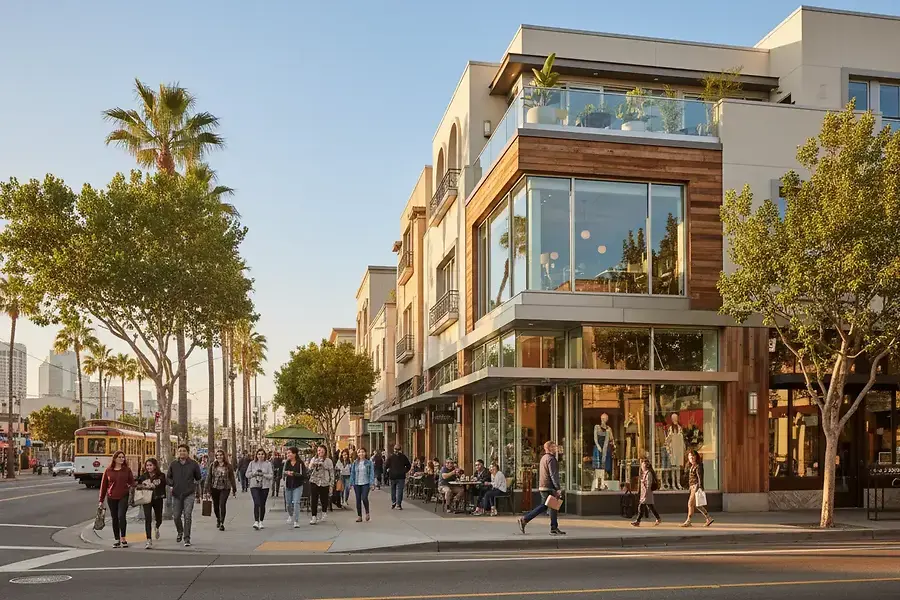
Understanding Mixed-Use Properties: Definition and Market Potential
Mixed-use properties represent a dynamic segment of San Diego's real estate market, combining residential and commercial spaces within a single development or building. These properties typically feature apartments or condos above retail shops, offices, restaurants, or service-based businesses on lower levels. This hybrid model creates a vibrant, walkable community environment that appeals to both investors and residents seeking convenience and lifestyle integration.
The market potential for mixed-use properties in San Diego is substantial. These properties generate multiple revenue streams, allowing investors to benefit from both residential rental income and commercial lease payments. Unlike traditional single-use properties, mixed-use developments offer diversification that can buffer against market fluctuations. The San Diego market has seen increased demand for these properties as urban professionals and families prioritize walkability, reduced commute times, and access to amenities.
Investors are particularly attracted to mixed-use properties because they provide flexibility in ownership structures. You can own the entire building, specific units, or commercial spaces separately. This flexibility allows for various investment strategies, from long-term holds to value-add opportunities through repositioning or renovations.
San Diego's Top Mixed-Use Neighborhoods and Investment Returns
Downtown San Diego
Downtown San Diego remains the premier mixed-use investment destination. The Gaslamp Quarter and East Village neighborhoods showcase strong appreciation and consistent rental demand. Properties here benefit from proximity to employment centers, entertainment venues, and public transportation. Commercial spaces command premium rents from restaurants, boutiques, and professional services, while residential units attract young professionals and empty-nesters.
Pacific Beach and Mission Beach
These coastal neighborhoods offer mixed-use properties with exceptional lifestyle appeal. Ground-floor retail spaces benefit from tourist traffic and local foot traffic, while upper-level residential units command premium rents due to beach proximity. Investment returns here are driven by both rental income and property appreciation in these highly desirable areas.
North Park and Hillcrest
These trendy neighborhoods have experienced significant revitalization, making them attractive for mixed-use investments. North Park's restaurant and retail scene continues to expand, creating strong commercial lease opportunities. Hillcrest's established community and diverse demographic base support stable residential occupancy rates and consistent appreciation.
Little Italy
This neighborhood's transformation into a cultural and culinary destination has made it ideal for mixed-use properties. The combination of high-end restaurants, galleries, and residential lofts creates a premium positioning that attracts both investors and residents seeking urban living with character.
Evaluating Mixed-Use Properties: Key Factors Beyond Traditional Metrics
Tenant Mix and Stability
When evaluating mixed-use properties, analyze the quality and stability of existing tenants. Long-term commercial leases with established businesses provide predictable income streams. Evaluate the commercial space's suitability for various business types—this flexibility increases your ability to attract quality tenants if turnover occurs.
Walkability and Location Dynamics
Mixed-use properties thrive in walkable neighborhoods with strong foot traffic. Consider proximity to:
- Public transportation hubs
- Employment centers
- Dining and entertainment venues
- Retail shopping districts
- Parks and recreational facilities
These factors directly impact both commercial viability and residential desirability, affecting your overall investment returns.
Zoning and Regulatory Considerations
Mixed-use properties operate under specific zoning regulations that vary by neighborhood. Verify that current uses comply with zoning codes and understand any restrictions on future modifications. Some areas have specific design guidelines or height restrictions that affect development potential and future value appreciation.
Operational Complexity
Mixed-use properties require more sophisticated management than single-use buildings. You'll need to coordinate residential and commercial tenant needs, manage shared spaces, handle parking logistics, and address potential conflicts between uses. Factor in higher management costs and the need for experienced property management teams.
Revenue Diversification Analysis
Examine the revenue breakdown between residential and commercial components. A balanced portfolio—neither overly dependent on residential nor commercial income—provides better stability. Analyze lease terms, renewal dates, and market rates for both residential and commercial spaces to project future income stability.
Positioning Yourself as a Mixed-Use Real Estate Expert
Develop Specialized Knowledge
To establish expertise in mixed-use real estate, invest time in understanding both residential and commercial market dynamics. Study zoning regulations, lease structures, and development trends specific to San Diego's neighborhoods. Attend industry conferences and join real estate investment groups focused on mixed-use properties to stay current with market trends and best practices.
Build a Network of Specialists
Successful mixed-use investors surround themselves with knowledgeable professionals. Develop relationships with:
- Commercial real estate brokers
- Residential property managers
- Mixed-use development consultants
- Tax professionals specializing in commercial real estate
- Lenders experienced with mixed-use financing
Document Your Track Record
Create case studies of your mixed-use investments, highlighting returns, tenant retention rates, and value-add strategies. Document lessons learned and share insights through blogs, social media, or local real estate forums. This visibility establishes credibility and attracts potential partners and deal opportunities.
Stay Informed on Market Trends
Mixed-use real estate evolves with changing consumer preferences and economic conditions. Monitor trends such as remote work impacts on office space, e-commerce effects on retail, and shifting residential preferences. Understanding these dynamics allows you to anticipate market changes and position your portfolio strategically.
Leverage Technology and Data
Utilize real estate analytics platforms to track market data, comparable sales, and rental rates for both residential and commercial components. Data-driven decision-making enhances your credibility and improves investment outcomes. Share insights from your analysis to demonstrate expertise to potential investors and partners.
Mixed-use properties in San Diego offer compelling investment opportunities for those willing to understand their unique complexities. By focusing on quality neighborhoods, evaluating properties comprehensively, and positioning yourself as a knowledgeable expert, you can build a profitable portfolio that combines financial returns with lifestyle benefits. The key is recognizing that mixed-use investing requires a different skill set than traditional real estate, but the rewards—both financial and personal—make it a worthwhile specialization in San Diego's dynamic market.


