San Francisco Home Inspection Essentials: What Buyers Must Know
Master the critical inspection process to protect your investment and negotiate with confidence in San Francisco's competitive market.

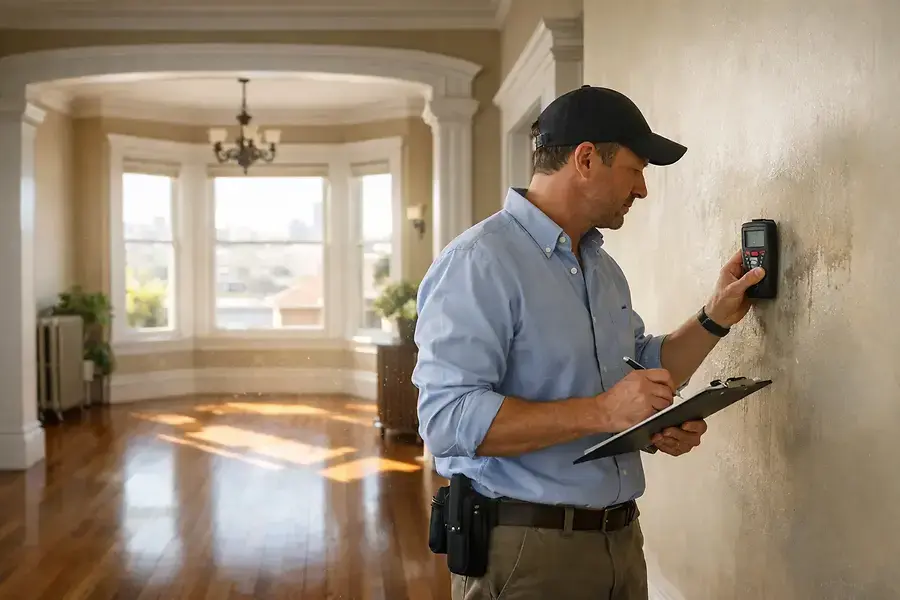
Understanding the San Francisco Home Inspection Process
Purchasing a home in San Francisco is one of the most significant financial decisions you'll make. A professional home inspection is your safeguard against costly surprises after closing. The inspection process typically takes 2-4 hours and involves a certified inspector examining the property's structural integrity, mechanical systems, and overall condition.
When scheduling an inspection, it's crucial to be present during the walkthrough. This allows you to ask questions directly and understand potential issues firsthand. The inspector will examine:
- Foundation and structural components
- Roof condition and age
- Plumbing and electrical systems
- HVAC systems and heating
- Windows, doors, and weatherproofing
- Basement or crawl space conditions
- Appliances and built-in systems
San Francisco's unique architectural landscape means inspectors must be familiar with Victorian homes, Edwardian properties, and modern condominiums. Each property type presents distinct challenges and inspection requirements.
Common Issues Found in San Francisco Properties and Red Flags to Watch For
Structural and Foundation Concerns
San Francisco's older housing stock frequently exhibits foundation issues. Settling, cracks, and water intrusion are common problems in properties built before modern building codes were established. The 1906 earthquake and subsequent seismic activity have left their mark on many structures, making seismic retrofitting a consideration for older homes.
Water Damage and Moisture Issues
The Bay Area's climate creates persistent moisture challenges. Look for signs of water damage, including:
- Staining on ceilings or walls
- Mold or mildew growth
- Soft or deteriorating wood
- Damp basements or crawl spaces
- Damaged or missing weatherstripping
Water damage can be expensive to remediate, so this is a critical area to scrutinize carefully during your inspection.
Outdated Systems and Code Violations
Many San Francisco homes contain aging electrical systems, plumbing, and HVAC equipment. Knob-and-tube wiring, original galvanized pipes, and inefficient heating systems are red flags that may require significant upgrades. Additionally, some properties may have unpermitted renovations or additions that create liability issues.
Pest Infestations
Termites and other wood-destroying pests are a serious concern in the Bay Area. A thorough inspection should include a pest control assessment. Evidence of infestation requires immediate professional treatment and can significantly impact your offer.
Roof and Exterior Deterioration
San Francisco's weather patterns accelerate roof aging. Inspectors will assess shingle condition, flashing integrity, and gutter functionality. A roof nearing the end of its lifespan (typically 20-25 years) represents a substantial future expense.
How to Use Inspection Reports to Negotiate Better Offers
Understanding Your Inspection Report
A comprehensive inspection report categorizes findings by severity. Items are typically labeled as:
- Critical: Safety hazards or major system failures requiring immediate attention
- Major: Significant defects affecting property value or functionality
- Minor: Small issues that don't substantially impact the property
- Informational: Observations about maintenance or upgrades
Focus your negotiation strategy on critical and major items. These provide legitimate grounds for price reductions or repair requests.
Negotiation Strategies
Once you have your inspection report, you have several options:
- Request price reduction: Ask the seller to lower the purchase price to account for repairs
- Demand repairs: Require the seller to fix critical issues before closing
- Request escrow funds: Have money held in escrow to cover repairs after closing
- Walk away: Use inspection findings as justification to exit the deal if issues are severe
In San Francisco's competitive market, sellers often resist repair requests. A price reduction is frequently the most acceptable option. Obtain repair estimates from licensed contractors to support your negotiation with concrete numbers.
Working with Your Real Estate Agent
Your real estate agent should help you prioritize inspection findings and develop a negotiation strategy. They understand local market conditions and can advise whether your requests are reasonable given current competition. A skilled agent knows when to push hard and when to compromise.
The Inspection Contingency
Most purchase agreements include an inspection contingency period, typically 10-17 days. This window allows you to conduct inspections and negotiate based on findings. Don't waive this contingency in San Francisco's market—it's your protection against unforeseen issues.
Conclusion: Making Informed Decisions Before Closing
A thorough home inspection is non-negotiable when purchasing property in San Francisco. The inspection process provides critical information that protects your investment and empowers your negotiation position. By understanding common issues specific to San Francisco properties, carefully reviewing your inspection report, and strategically using findings in negotiations, you position yourself for a successful purchase.
Remember: the cost of a professional inspection is minimal compared to the potential savings from identifying major issues before you commit to the purchase.
Take your time during the inspection walkthrough, ask detailed questions, and don't hesitate to request additional evaluations from specialists if needed. Whether you're buying a charming Victorian, a modern condo, or a mid-century home, a comprehensive inspection ensures you're making an informed decision with confidence. Your future self will thank you for the diligence invested today.