San Francisco Home Staging: Essential Techniques to Attract Serious Buyers
Discover proven staging techniques to showcase your San Francisco property and increase buyer interest and offers.

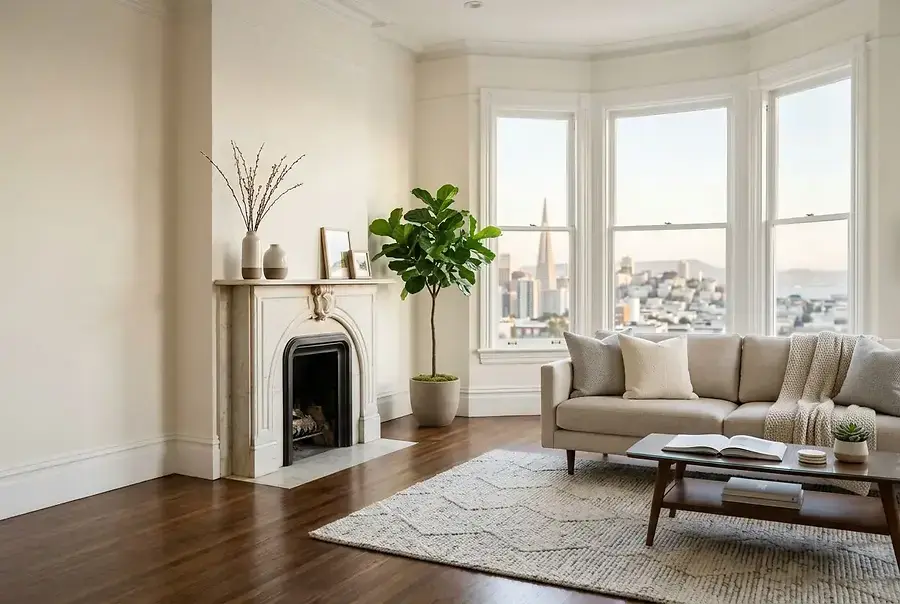
Why Home Staging Matters in San Francisco
In the competitive San Francisco real estate market, first impressions are everything. Home staging is the art of preparing your property to appeal to the widest range of potential buyers, and it's more important than ever in this high-value market. Properly staged homes sell faster and often command higher prices than unstaged properties.
San Francisco buyers are sophisticated and discerning. They're looking for homes that feel move-in ready, with clear potential and excellent flow. When you stage your home effectively, you help buyers envision themselves living in the space, which directly translates to more competitive offers and a quicker sale.
Essential Staging Tips for San Francisco Properties
Declutter and Depersonalize
The first step in staging is removing excess items from your home. Clutter distracts buyers and makes spaces feel smaller. Remove personal photos, family memorabilia, and excess furniture. This allows buyers to focus on the property's features rather than your personal style.
In San Francisco's often-compact living spaces, this step is crucial. Clear countertops, organize closets, and remove items from shelves. A minimalist approach helps showcase the actual square footage and architectural features of your home.
Enhance Curb Appeal
Your home's exterior is the first thing buyers see. Invest in landscaping, fresh paint on the front door, and clean windows. Ensure your entryway is inviting with potted plants and a clean walkway. In San Francisco, where many homes have unique architectural styles, highlighting these features through proper lighting and landscaping can significantly impact buyer perception.
Optimize Lighting
San Francisco homes often feature large windows and beautiful natural light. Maximize this advantage by opening curtains and blinds during showings. Add strategic lighting in darker areas, such as:
- Table lamps in living rooms
- Under-cabinet lighting in kitchens
- Accent lighting to highlight architectural features
- Bright bulbs in bathrooms and hallways
Proper lighting makes spaces feel larger, warmer, and more inviting.
Arrange Furniture Strategically
In San Francisco homes, space is often at a premium. Arrange furniture to create clear traffic flow and define functional areas. Remove oversized pieces that overwhelm rooms. Create conversation areas in living spaces and ensure bedrooms feel spacious enough for a bed, nightstands, and dressers without feeling cramped.
Update Kitchen and Bathrooms
These rooms are deal-makers for buyers. You don't need a full renovation, but consider:
- Fresh paint and new hardware on cabinets
- Clean, polished countertops and sinks
- Updated lighting fixtures
- New shower curtains and towels
- Sparkling mirrors and fixtures
These updates are relatively inexpensive but create a significant impact on buyer perception.
Add Neutral Colors and Textures
Paint walls in neutral colors like soft whites, beiges, and grays. This creates a blank canvas for buyers to imagine their own style. Add visual interest through textures—throw pillows, area rugs, and artwork—while maintaining a cohesive, neutral palette.
Highlight Unique Features
San Francisco homes often have distinctive characteristics like exposed brick, hardwood floors, bay windows, or vintage details. Stage your home to showcase these features. Use accent lighting, minimal furniture placement, and strategic décor to draw attention to what makes your home special.
Common Staging Mistakes to Avoid
Over-Staging
While staging is important, too much can feel artificial and impersonal. Avoid filling your home with rental furniture or excessive décor. The goal is to create a welcoming space that feels like a home, not a showroom.
Ignoring Odors
Unpleasant smells can turn buyers away immediately. Eliminate cooking odors, pet smells, and mustiness. Use subtle air fresheners, open windows, and consider baking cookies before showings for a welcoming aroma.
Neglecting Maintenance Issues
Buyers notice details. Don't stage over problems—fix them. Repair leaky faucets, replace broken tiles, and touch up paint. A well-maintained home signals to buyers that you've cared for the property.
Poor Lighting Choices
Dim lighting makes homes feel gloomy and smaller. Avoid this common mistake by ensuring all areas are well-lit during showings. Replace burnt-out bulbs and consider upgrading to brighter, energy-efficient options.
Overcrowding Spaces
In San Francisco's smaller homes, cramming in too much furniture makes spaces feel claustrophobic. Less is more—use only essential furniture pieces and leave plenty of open floor space.
Transform Your Home's Appeal
Home staging is an investment that pays dividends in the San Francisco real estate market. By decluttering, enhancing curb appeal, optimizing lighting, and strategically arranging your space, you create an environment where buyers can envision their future. The goal is to help serious buyers fall in love with your property.
Remember that staging isn't about deceiving buyers—it's about presenting your home in its best light. When you remove distractions and highlight your property's strengths, you attract more qualified buyers and increase the likelihood of receiving competitive offers.
Take action today. Walk through your home with fresh eyes, identify areas for improvement, and implement these staging techniques. In San Francisco's dynamic real estate market, a well-staged home is your competitive advantage. Whether you're selling a Victorian, a modern condo, or a charming cottage, these proven techniques will help you showcase your property and achieve your selling goals.