San Jose Home Inspection Guide: What Every Buyer Must Know Before Closing
Master the essential inspection process to protect your investment and negotiate with confidence.

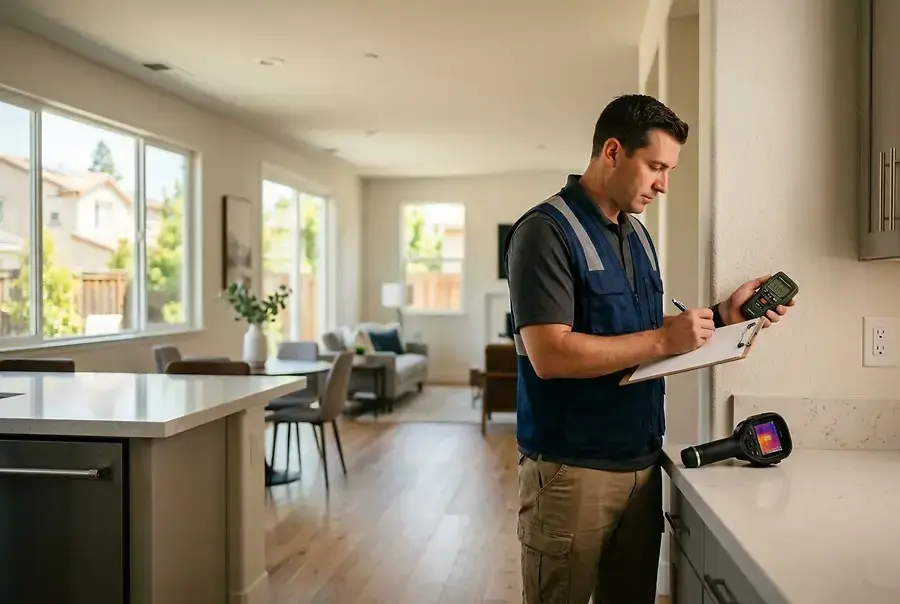
Why Professional Home Inspections Matter in San Jose
Purchasing a home is one of the most significant financial decisions you'll make in your lifetime. In the competitive San Jose real estate market, it's easy to get caught up in the excitement of finding your dream property and overlook critical details. This is where a professional home inspection becomes invaluable.
A thorough home inspection serves as your personal advocate, providing an objective assessment of the property's condition before you commit to the purchase. Rather than relying solely on the seller's disclosures or your own observations, a certified inspector will examine every major system and component of the home, identifying potential issues that could cost thousands of dollars to repair.
Why does this matter in San Jose specifically? The Bay Area's unique climate, older housing stock in many neighborhoods, and competitive market conditions make inspections particularly important. Many homes in San Jose were built decades ago and may have outdated systems or hidden damage that isn't immediately visible.
Key Areas Inspectors Evaluate and Red Flags to Watch For
Structural Integrity and Foundation
Inspectors will examine the foundation, walls, and overall structural components of your home. Red flags include:
- Visible cracks in the foundation or basement walls
- Uneven or sloping floors
- Doors and windows that don't close properly
- Signs of water damage or moisture intrusion
Foundation issues can be extremely expensive to repair, sometimes costing $10,000 or more, making this one of the most critical areas to evaluate.
Roofing and Exterior
The roof protects your entire investment, so inspectors pay close attention to its condition. Watch for:
- Missing, cracked, or curling shingles
- Sagging roof lines
- Damaged flashing around chimneys and vents
- Poor drainage or gutter issues
A roof replacement can easily exceed $15,000, so understanding its remaining lifespan is crucial for your budget planning.
Plumbing Systems
Inspectors will test water pressure, check for leaks, and evaluate the overall plumbing infrastructure. Common concerns include:
- Outdated galvanized pipes that may corrode
- Signs of water leaks or staining
- Slow drains or drainage issues
- Water heater age and condition
Plumbing problems can lead to water damage and mold, which are both expensive and health-hazardous issues.
Electrical Systems
A qualified inspector will examine the electrical panel, outlets, and wiring throughout the home. Red flags include:
- Outdated electrical panels or fuse boxes
- Insufficient outlets or grounding issues
- Aluminum wiring (a fire hazard)
- Improper installation of outlets in wet areas
Electrical issues pose serious safety risks and should never be ignored or deferred.
HVAC and Climate Control
Your heating and cooling systems are essential for comfort and energy efficiency. Inspectors will evaluate:
- Age and condition of furnace and air conditioning units
- Proper ventilation and ductwork
- Thermostat functionality
- Energy efficiency ratings
Replacing an HVAC system can cost $5,000 to $10,000, so understanding its remaining useful life is important.
Insulation and Ventilation
Proper insulation and ventilation affect both comfort and energy costs. Inspectors look for:
- Adequate attic insulation
- Proper ventilation to prevent moisture buildup
- Air sealing and weatherization issues
- Signs of pest damage or contamination
How to Use Inspection Results to Negotiate Better Terms
Understanding Your Inspection Report
Once you receive the inspection report, take time to understand it thoroughly. Reports typically categorize issues by severity: major concerns that require immediate attention, minor repairs that can be addressed over time, and maintenance recommendations for future upkeep.
Don't panic if you see issues listed. Most homes have some problems. The key is understanding which ones are deal-breakers and which ones are manageable.
Prioritizing Issues for Negotiation
Focus your negotiation efforts on significant issues that will cost substantial money to repair. Consider these strategies:
- Request repairs: Ask the seller to fix major issues before closing
- Request credits: Negotiate a price reduction to cover repair costs yourself
- Request escrow: Have funds held in escrow to ensure repairs are completed after closing
- Walk away: If issues are too severe or costly, you may decide the property isn't worth pursuing
Getting Contractor Estimates
Before negotiating, obtain written estimates from licensed contractors for major repairs. This gives you concrete numbers to present to the seller and strengthens your negotiating position.
Knowledge is power in real estate negotiations—having specific repair costs makes your requests more credible and harder to dismiss.
Timing Your Negotiations
Timing matters in negotiations. Present your concerns promptly after receiving the inspection report, while the seller is still motivated to resolve issues. Be professional and reasonable in your requests—sellers are more likely to cooperate if they feel you're being fair.
Making Informed Decisions with Inspection Data
A professional home inspection is an investment in your peace of mind and financial security. By understanding what inspectors evaluate, recognizing red flags, and using inspection results strategically in negotiations, you empower yourself to make informed decisions about one of life's biggest purchases.
Remember, the goal of a home inspection isn't to find reasons to back out of a deal—it's to understand exactly what you're buying and plan accordingly. Whether you're a first-time homebuyer or an experienced investor, a thorough inspection protects your interests and helps you move forward with confidence.
Take action: Always hire a certified, experienced home inspector before making your final offer. Your future self will thank you for the diligence.