San Jose Home Inspections: What Every Buyer Needs to Know Before Closing
Master the critical inspection process to protect your investment and negotiate with confidence in today's competitive market.

Understanding the Home Inspection Process in San Jose
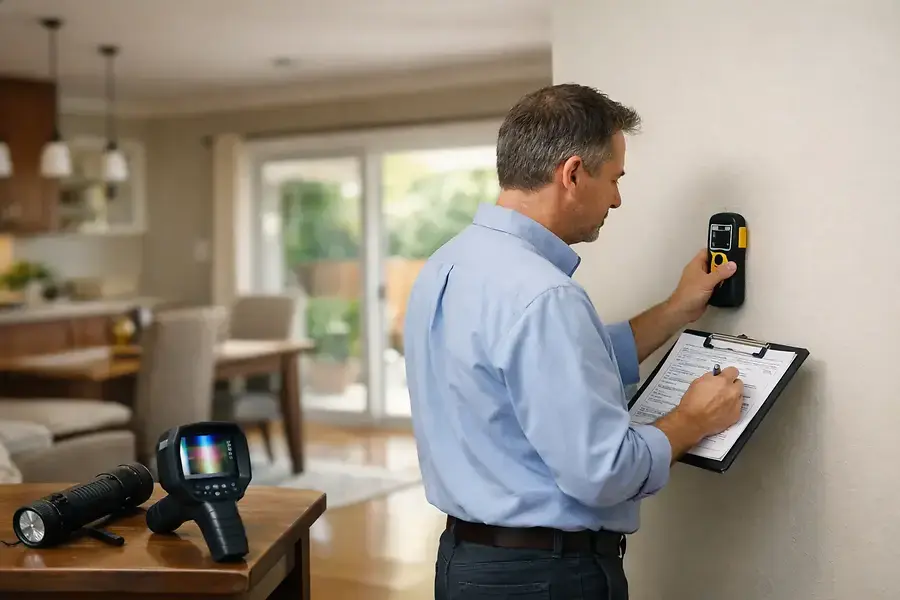
A home inspection is one of the most critical steps in the home-buying process. In San Jose's competitive real estate market, understanding what happens during an inspection can mean the difference between a sound investment and a costly mistake. A professional home inspector will spend two to three hours examining your potential property, evaluating everything from the foundation to the roof.
The inspection typically covers structural integrity, electrical systems, plumbing, HVAC systems, roofing, and interior components. Inspectors use specialized tools and equipment to identify issues that aren't visible to the naked eye. After the inspection, you'll receive a detailed report documenting all findings, from minor cosmetic issues to major structural concerns.
What to Expect During the Inspection
During the inspection, the inspector will examine:
- Foundation and structure – checking for cracks, settling, or water damage
- Roof condition – assessing age, wear, and potential leaks
- Electrical systems – verifying safety and code compliance
- Plumbing – testing water pressure and checking for leaks
- HVAC systems – evaluating heating and cooling efficiency
- Windows and doors – checking for proper sealing and operation
- Appliances – testing functionality where included in the sale
As a buyer, you have the right to be present during the inspection. This is an excellent opportunity to ask questions and understand the property's condition firsthand.
Common Issues Found in San Jose Properties and Red Flags to Watch
San Jose's climate and aging housing stock create specific inspection challenges. Understanding common issues in the area helps you identify potential problems before they become expensive repairs.
Moisture and Water Damage
California's dry climate can be deceiving. When water does infiltrate San Jose homes, it often causes significant damage. Look for water stains, mold growth, and foundation cracks that indicate moisture problems. Basements and crawl spaces are particularly vulnerable.
Roof Concerns
Many San Jose homes have roofs that are 15-20 years old or older. Inspectors will assess remaining lifespan and identify missing shingles, deterioration, or improper installation. A roof replacement can cost $10,000 to $25,000, making this a critical inspection point.
Electrical and Plumbing Issues
Older homes in San Jose may have outdated electrical systems or galvanized plumbing pipes that are nearing the end of their lifespan. Red flags include flickering lights, insufficient outlets, or discolored water from taps. These issues can require substantial upgrades.
Foundation Problems
Soil movement and settling are common in the Bay Area. Minor cracks are normal, but significant structural cracks, uneven floors, or doors that won't close properly warrant further investigation by a structural engineer.
HVAC System Age
Heating and cooling systems typically last 15-20 years. If the system is near the end of its life, budget for replacement costs ranging from $5,000 to $12,000.
How to Prepare Your Home for Inspection and Maximize Its Appeal
If you're selling your San Jose home, proper preparation can help the inspection go smoothly and prevent unnecessary concerns from arising.
Before the Inspector Arrives
- Clean thoroughly – a clean home appears well-maintained and allows inspectors to work efficiently
- Ensure access – unlock attics, basements, and crawl spaces; trim vegetation blocking the foundation
- Test systems – verify that lights, outlets, plumbing, and HVAC work properly
- Gather documentation – have records of recent repairs, maintenance, and system replacements ready
- Fix obvious issues – repair leaky faucets, replace broken windows, and patch holes in walls
- Clear pathways – remove obstacles that prevent the inspector from accessing electrical panels, water heaters, and other systems
Documentation Matters
Providing proof of recent maintenance and repairs demonstrates that you've cared for the property. This can help offset concerns about older systems and build buyer confidence. Keep receipts for any work completed in the past five years.
Using Inspection Results to Strengthen Your Negotiating Position
Once you have the inspection report, it's time to strategize. Whether you're a buyer or seller, the inspection results are a powerful negotiating tool.
For Buyers: Negotiation Strategies
Don't panic over minor issues. Small repairs like caulking, paint touch-ups, or replacing weatherstripping are normal. Focus on significant problems that affect safety, functionality, or long-term value.
You have several options when major issues are discovered:
- Request repairs – ask the seller to fix critical issues before closing
- Negotiate a price reduction – reduce the offer to account for repair costs you'll handle
- Request a credit at closing – receive funds to cover repairs after purchase
- Walk away – if issues are too severe, you may choose to cancel the purchase
In San Jose's competitive market, be strategic. Major structural issues or system failures give you legitimate negotiating leverage. Use the inspection report to support your position with specific, documented evidence.
For Sellers: Addressing Concerns
If you're selling, respond promptly and professionally to inspection findings. Consider getting a pre-inspection before listing to identify and address issues proactively. This builds buyer confidence and can prevent deals from falling through.
If the buyer requests repairs, obtain multiple quotes and choose qualified contractors. Providing receipts and warranties for completed work strengthens your credibility.
The Bottom Line
Home inspections protect everyone involved in the transaction. For buyers, they reveal the true condition of your potential investment. For sellers, they provide an opportunity to demonstrate transparency and build trust. In San Jose's dynamic real estate market, a thorough inspection and smart negotiation strategy can save you thousands of dollars and prevent future headaches.
Work with experienced real estate professionals and qualified inspectors to ensure you make informed decisions about one of the most significant purchases of your life.


