School Districts & Neighborhood Character in North Texas Suburbs
Discover how top-rated schools shape community appeal and long-term property values across the DFW residential market.

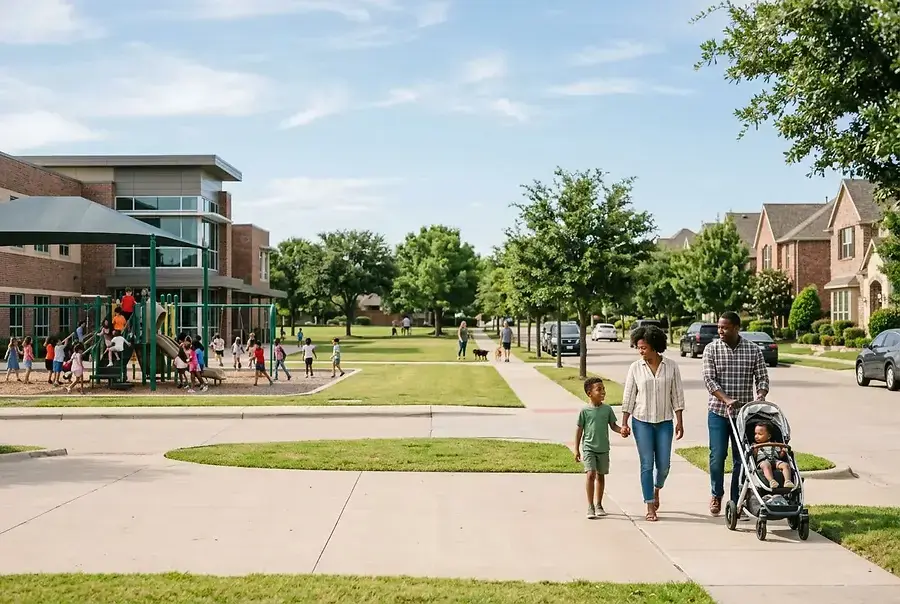
Understanding School District Impact on Home Values
The relationship between school quality and property values in North Texas suburbs is undeniable. Homes located in top-rated school districts consistently command premium prices compared to similar properties in lower-rated districts. This premium isn't arbitrary—it reflects the tangible benefits families seek when choosing where to live.
Research shows that homes in excellent school districts appreciate faster and maintain their value better during market downturns. Buyers are willing to invest more upfront because they recognize the long-term stability and growth potential. In the DFW area, this translates to measurable differences in both initial purchase prices and resale values.
The Financial Reality of School District Ratings
Properties in highly-rated school districts typically see:
- Higher initial purchase prices — often 10-20% above comparable homes in average districts
- Faster appreciation rates — stronger year-over-year value growth
- Better buyer demand — shorter time on market and more competitive offers
- Stronger rental potential — if you're considering investment properties
These aren't just numbers on paper. They represent real equity growth for homeowners and genuine investment returns for those viewing property as a long-term financial asset.
Comparing Neighborhood Character Across DFW Suburbs
The DFW metroplex encompasses diverse suburban communities, each with distinct characteristics shaped significantly by their school systems. Understanding these differences helps buyers find neighborhoods that align with their lifestyle and values.
North Dallas Suburbs: Family-Focused Communities
Areas like Plano, Frisco, and McKinney have built reputations around excellent schools and family-oriented amenities. These communities feature well-maintained parks, active parent organizations, and strong neighborhood engagement. The school district excellence creates a self-reinforcing cycle where families with children are attracted to the area, strengthening community bonds and civic participation.
East Dallas Suburbs: Emerging Neighborhoods
Communities in areas like Arlington and Mansfield are experiencing growth as newer school facilities and improving district ratings attract families seeking value. These neighborhoods often offer more affordable entry points while still providing quality education and developing community infrastructure.
West Dallas Suburbs: Established Affluence
Suburbs like Highland Park and University Park have long-established reputations for academic excellence and upscale living. These communities maintain consistent demand and premium pricing due to their storied school traditions and established neighborhood character.
How Schools Influence Buyer Demographics and Community Growth
School quality acts as a demographic filter, naturally attracting certain buyer profiles while discouraging others. This creates distinct community personalities shaped by the families who choose to live there.
The Family Demographic Shift
Top-rated school districts attract young families with children, which influences everything from housing styles to community services. You'll notice neighborhoods with excellent schools feature more family-sized homes, active youth sports programs, and family-friendly restaurants and entertainment options.
This demographic concentration creates positive externalities. Strong schools attract families, families support local businesses, local businesses strengthen the community, and a thriving community attracts more families. It's a virtuous cycle that builds neighborhood resilience.
Community Investment and Engagement
Neighborhoods with excellent schools typically see higher levels of civic engagement. Parent-teacher organizations are more active, community events are better attended, and residents invest more in home improvements. This visible pride in the community translates to better-maintained properties and stronger neighborhood cohesion.
Long-Term Stability and Growth
Communities built around strong schools experience more stable populations. Families stay longer, children grow up in the same schools, and multi-generational connections form. This stability supports consistent property values and creates the kind of established neighborhoods that weather economic cycles better than transient communities.
Making Your Decision: Schools, Neighborhoods, and Investment Potential
When evaluating North Texas suburbs for your next home, consider these factors that connect school quality to neighborhood character and investment potential.
Evaluate Beyond Test Scores
While standardized test scores matter, look deeper at:
- Teacher retention rates — experienced teachers create stability and quality instruction
- Graduation rates — particularly important for high schools
- College acceptance rates — indicates college preparatory quality
- Special programs — STEM, arts, athletics, and advanced placement offerings
- Community reputation — talk to current residents about their experiences
Assess Neighborhood Trajectory
Consider whether a neighborhood is established and stable or emerging and growing. Both can be good investments, but they offer different advantages. Established school districts provide proven stability and consistent demand. Emerging districts with improving ratings offer potential for faster appreciation as the community develops.
Visit and Experience the Community
Spend time in neighborhoods during different times of day and week. Visit parks, schools, and local businesses. Talk to residents about what they love about their community and what challenges exist. The best investment decision combines data analysis with genuine feel for where you want to live.
Think Long-Term
Whether you're buying your family home or making an investment property decision, school district quality matters for long-term value. Even if you don't have school-age children, properties in strong school districts maintain better resale value and attract a broader buyer pool when you eventually sell.
The strongest real estate investments in North Texas suburbs align excellent schools with neighborhoods that reflect your values and lifestyle. When these elements combine, you're not just buying a house—you're investing in a community's future.
Your Next Steps
Start by identifying which DFW suburbs align with your priorities. Research school district ratings and rankings. Visit neighborhoods during peak family hours. Connect with local real estate professionals who understand how school quality shapes specific communities. With this information, you'll make a decision that serves both your immediate needs and long-term financial goals.


