Scottsdale Home Inspection Checklist: Essential Steps Before Closing
Protect your investment by understanding what professional inspectors look for in Scottsdale residential properties.

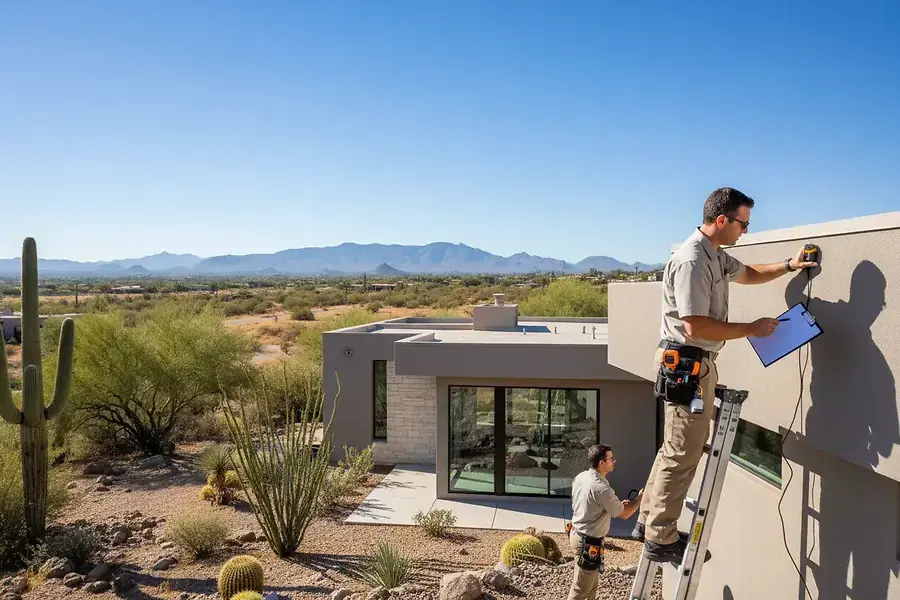
Why Home Inspections Matter in Scottsdale's Competitive Market
Purchasing a home in Scottsdale is one of the most significant investments you'll make. With the region's competitive real estate market, many buyers feel pressured to move quickly and skip crucial steps. However, a professional home inspection is non-negotiable if you want to protect your investment and avoid costly surprises after closing.
Home inspections provide an objective assessment of a property's condition, identifying potential issues before you commit to the purchase. In Scottsdale's unique desert climate, certain structural and mechanical concerns are more prevalent than in other regions. Understanding what inspectors look for can help you negotiate repairs, request credits, or make an informed decision about whether to proceed with the purchase.
A thorough inspection typically takes 2-3 hours and covers every major system in the home. The inspector will document their findings in a detailed report that becomes your roadmap for negotiations and future maintenance planning.
Critical Areas to Evaluate: Structural, Mechanical, and Desert-Specific Concerns
Structural Integrity and Foundation
Scottsdale's expansive clay soil can cause foundation issues over time. Inspectors examine the foundation for cracks, settling, and water damage. They'll look for:
- Visible cracks in the foundation or concrete slabs
- Uneven floors or doors that don't close properly
- Water stains or moisture in basements or crawl spaces
- Evidence of previous foundation repairs
The desert heat also causes materials to expand and contract, which can lead to structural stress. A qualified inspector will assess whether the home has been built to withstand these environmental pressures.
Roof and Exterior Systems
Scottsdale's intense sun and occasional monsoon storms put significant stress on roofing materials. Inspectors evaluate:
- Roof age and remaining lifespan
- Missing, cracked, or curling shingles
- Proper flashing around chimneys and vents
- Gutter condition and drainage systems
- Exterior wall integrity and paint condition
Roof replacement is one of the most expensive home repairs, so understanding its condition is critical. Most roofs in Scottsdale last 15-20 years, depending on the material and maintenance.
HVAC and Cooling Systems
Air conditioning isn't a luxury in Scottsdale—it's essential. Inspectors thoroughly evaluate cooling systems because they're vital to the home's livability and represent a major investment. They check:
- Age and efficiency of the AC unit
- Proper refrigerant levels
- Ductwork condition and sealing
- Thermostat functionality
- Adequate airflow throughout the home
A failing air conditioning system in the Arizona heat can make a home uninhabitable. Budget for potential replacement costs if the unit is more than 10-15 years old.
Plumbing and Water Systems
Scottsdale's hard water and mineral deposits can affect plumbing systems. Inspectors examine:
- Water pressure and flow rates
- Pipe material and condition (galvanized, copper, PEX)
- Water heater age and functionality
- Evidence of leaks or water damage
- Septic or municipal water system connections
Hard water buildup is common in Scottsdale and can reduce the lifespan of fixtures and appliances. Ask the inspector about water softening systems and whether the home has one installed.
Electrical Systems
Modern homes require adequate electrical capacity. Inspectors verify:
- Panel size and capacity for current needs
- Proper grounding and bonding
- GFCI outlets in wet areas
- Outdated wiring or safety hazards
- Adequate outlets and circuit distribution
Older homes may have outdated electrical systems that can't support modern appliances and technology. This is a safety concern that should be addressed before purchase.
Desert-Specific Concerns
Scottsdale's unique environment presents specific challenges:
- Pest damage: Termites and other desert pests can cause structural damage. Inspectors look for evidence of infestations.
- Pool and spa systems: If the property has a pool, inspectors evaluate equipment, structural integrity, and safety features.
- Landscaping and drainage: Proper grading prevents water from pooling near the foundation during monsoon season.
- Solar panels: If installed, inspectors assess condition, warranty, and performance.
Understanding Your Inspection Report and Negotiating Repairs
Decoding the Report
Home inspection reports categorize findings by severity. Understanding these categories helps you prioritize concerns:
- Critical: Safety hazards or major system failures requiring immediate attention
- Major: Significant issues that will likely need repair within a few years
- Minor: Small issues that don't affect functionality but should be noted
Don't panic if your report includes minor findings—every home has them. Focus on critical and major issues that could affect your safety or wallet.
Negotiation Strategies
After receiving the inspection report, you have several options:
- Request repairs: Ask the seller to fix critical and major issues before closing.
- Request credits: Negotiate a credit toward closing costs to handle repairs yourself.
- Request price reduction: Ask for a lower purchase price to account for needed repairs.
- Walk away: If issues are too extensive, you may decide the property isn't right for you.
Your inspector can provide repair estimates to support your negotiations. Use these figures to make data-driven decisions rather than emotional ones.
Follow-Up Inspections
If the seller agrees to repairs, consider hiring the inspector to verify work was completed properly before closing. This protects you from incomplete or substandard repairs.
Making Informed Decisions with Professional Inspection Insights
A professional home inspection is your opportunity to understand exactly what you're buying. In Scottsdale's competitive market, this knowledge gives you negotiating power and peace of mind.
Choose a certified, experienced inspector who understands Scottsdale's unique climate and construction challenges. Ask about their credentials, experience with desert properties, and whether they're members of professional organizations like the American Society of Home Inspectors (ASHI).
Remember, the goal of a home inspection isn't to find reasons to back out—it's to make an informed decision. Some issues are deal-breakers, while others are simply maintenance items you'll address over time. With a thorough inspection report in hand, you can move forward with confidence, knowing you've done your due diligence to protect your investment in Scottsdale real estate.