Scottsdale Home Inspection Essentials: What Buyers Need to Know
Discover the critical inspection points that protect your investment and reveal hidden issues before closing the deal.

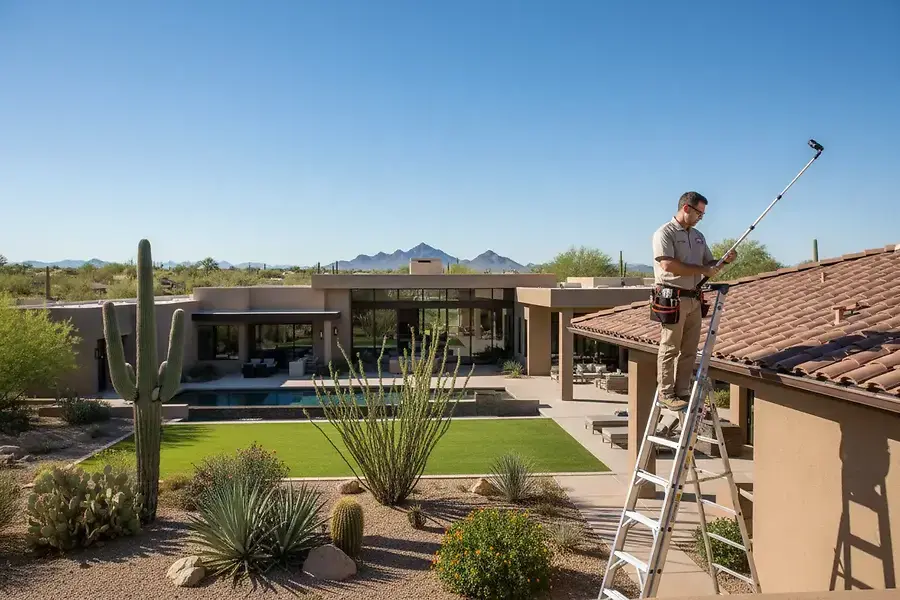
Why Home Inspections Matter in Scottsdale's Competitive Market
In Scottsdale's fast-paced real estate market, home inspections serve as your most valuable defense against costly surprises. With properties moving quickly and competition fierce, many buyers feel pressured to skip this critical step or waive inspection contingencies. However, a thorough home inspection can reveal hidden defects that could cost thousands to repair after closing.
Scottsdale's unique desert climate presents specific challenges that inspectors must evaluate carefully. The intense heat, low humidity, and occasional monsoon storms create wear patterns different from other regions. Understanding what inspectors look for helps you make informed decisions and negotiate from a position of knowledge.
A professional home inspection is not just a formality—it's your opportunity to uncover issues before they become your financial responsibility.
Key Areas Inspectors Examine: From Foundation to Roof
Foundation and Structural Integrity
Inspectors begin by examining the foundation, looking for cracks, settling, or signs of water damage. In Scottsdale, where soil composition varies significantly, foundation issues can develop over time. They'll assess:
- Visible cracks in concrete or block foundations
- Signs of settling or uneven floors
- Water intrusion or moisture damage
- Proper grading around the foundation
Roofing and Exterior Systems
The roof is your home's first line of defense against Scottsdale's intense sun and occasional severe weather. Inspectors evaluate:
- Roof age and remaining lifespan
- Shingle condition and potential leaks
- Flashing around chimneys and vents
- Gutters and drainage systems
- Exterior walls for damage or deterioration
HVAC and Cooling Systems
In Scottsdale, air conditioning isn't a luxury—it's essential. Inspectors thoroughly examine:
- Age and condition of the AC unit
- System efficiency and cooling capacity
- Ductwork integrity
- Thermostat functionality
- Maintenance records and service history
Plumbing and Water Systems
Water quality and plumbing reliability are crucial concerns. Inspectors check:
- Water pressure and flow rates
- Pipe material and condition (especially older copper or galvanized pipes)
- Water heater age and functionality
- Signs of leaks or water damage
- Septic or municipal water connections
Electrical Systems
A safe electrical system is non-negotiable. Inspectors evaluate:
- Panel capacity and condition
- Proper grounding and bonding
- Outlet and switch functionality
- Signs of outdated or unsafe wiring
- GFCI protection in wet areas
Common Issues Found in Scottsdale Homes and How to Address Them
Desert Heat-Related Damage
Scottsdale's extreme temperatures cause accelerated wear on roofing materials, sealants, and exterior finishes. UV damage and thermal expansion can lead to premature deterioration. If your inspection reveals significant sun damage, request that the seller address repairs or provide credits toward replacement.
Pool and Spa Issues
Many Scottsdale homes feature pools and spas. Inspectors examine pump functionality, filter conditions, and structural integrity of the pool shell. Repairs can be expensive, so understanding the condition helps you negotiate appropriately.
Monsoon-Related Water Intrusion
Arizona's monsoon season brings heavy rains and wind. Inspectors look for evidence of water damage in attics, walls, and basements. Addressing water intrusion early prevents mold growth and structural damage.
Outdated Electrical Systems
Older Scottsdale homes may have aluminum wiring or insufficient panel capacity. These issues require professional remediation and should be factored into your offer negotiations.
AC System Age and Efficiency
Air conditioning units typically last 10-15 years. If your inspection reveals an aging system, budget for replacement or request credits from the seller. A new AC unit can cost $5,000-$10,000 or more.
Pest and Termite Damage
Arizona's warm climate attracts termites and other pests. Inspectors look for evidence of infestation or previous damage. A separate termite inspection may be warranted in some cases.
Using Inspection Reports to Negotiate and Protect Your Purchase
Understanding Your Report
A comprehensive inspection report details findings by severity level. Major issues require immediate attention, while minor items can often be addressed over time. Take time to understand the report and ask your inspector to clarify any concerns.
Negotiation Strategies
Once you receive the inspection report, you have several options:
- Request repairs: Ask the seller to fix major issues before closing
- Request credits: Negotiate a price reduction to cover repair costs yourself
- Walk away: If issues are severe, you may choose to terminate the contract
- Compromise: Negotiate repairs for major items and credits for minor ones
Protecting Your Investment
Use the inspection report as a roadmap for future maintenance. Address recommended repairs promptly and maintain detailed records. Proactive maintenance prevents small issues from becoming expensive problems.
Consider obtaining a home warranty that covers major systems and appliances. This provides additional protection and peace of mind during your first year of ownership.
Final Thoughts
A thorough home inspection is one of the smartest investments you can make when buying in Scottsdale. It protects your financial interests, reveals hidden issues, and provides leverage for negotiations. Don't let market pressure push you into skipping this essential step. Your future self will thank you for the due diligence.


