Seasonal Home Buying Trends on Minnesota's North Shore Market
Discover how weather patterns and tourism cycles influence property values and buyer activity from Duluth to Grand Marais.

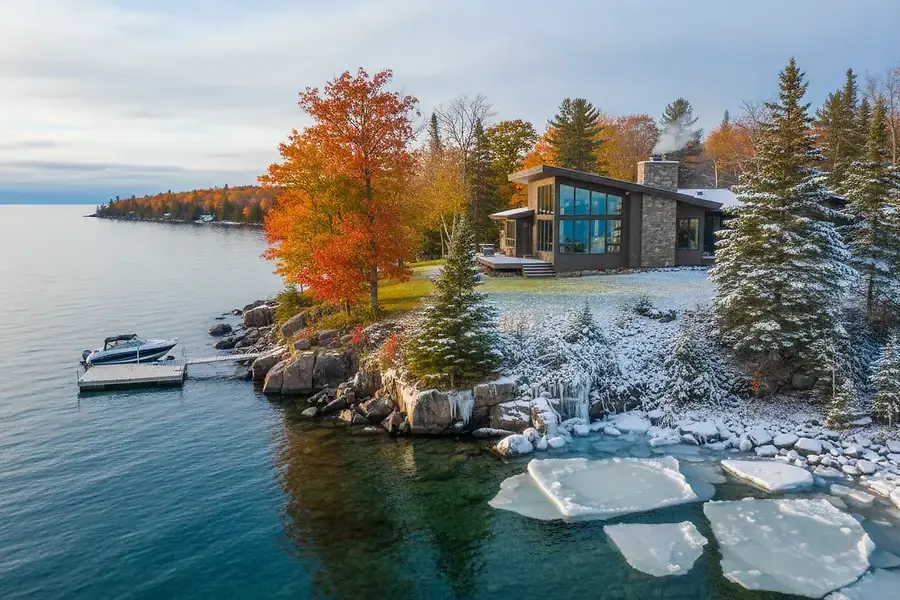
Understanding North Shore Market Seasonality and Property Demand Cycles
Minnesota's North Shore, stretching from Duluth to Grand Marais along the shores of Lake Superior, presents a unique real estate market shaped by dramatic seasonal changes. Unlike many real estate markets that follow predictable national trends, the North Shore experiences distinct buyer activity patterns driven by weather conditions, tourism cycles, and the region's recreational appeal.
The North Shore market is heavily influenced by two primary factors: climate variability and seasonal tourism. During warmer months, the region transforms into a vacation destination, attracting both leisure visitors and potential homebuyers seeking waterfront properties or vacation retreats. Conversely, harsh winters and reduced accessibility can dampen buyer enthusiasm, creating unique opportunities for savvy purchasers.
Understanding these cycles is essential for anyone considering a property purchase in this region. Property values, inventory levels, and negotiating power all fluctuate significantly throughout the year, making timing a critical factor in achieving your real estate goals.
Spring and Summer: Peak Buying Season and Premium Pricing Strategies
The Summer Surge
Spring and summer represent the most active periods for North Shore real estate transactions. As temperatures rise and the landscape blooms, buyer interest peaks dramatically. Inventory levels increase as sellers list their properties to capitalize on the favorable weather and increased foot traffic from tourists exploring the region.
During these months, you can expect:
- Higher property prices across all categories
- Increased competition among buyers
- Faster-moving listings and shorter time on market
- Premium pricing for waterfront and scenic properties
- Greater selection of available homes
Premium Pricing Dynamics
Sellers capitalize on peak season demand by listing properties at premium prices. Waterfront properties command particularly high valuations during summer months, as buyers envision enjoying the lake views and outdoor activities. The tourism influx creates a perception of scarcity and desirability, allowing sellers to maintain firm asking prices.
If you're determined to purchase during peak season, consider these strategies:
- Get pre-approved for financing to strengthen your offer
- Be prepared to make competitive bids quickly
- Focus on properties that may be overlooked by other buyers
- Consider properties slightly inland for better value
- Negotiate on non-price terms when price flexibility is limited
Fall and Winter: Opportunities for Negotiation and Less Competition
The Off-Season Advantage
As autumn arrives and winter approaches, the North Shore market experiences a dramatic shift. Buyer activity decreases significantly, tourism wanes, and many seasonal residents depart. This creates a buyer's market with distinct advantages for those willing to purchase during less favorable weather conditions.
Fall and winter offer compelling benefits:
- Reduced competition from other buyers
- Greater negotiating power and flexibility
- Lower property prices and potential discounts
- Sellers often more motivated to close deals
- More personalized attention from real estate agents
- Ability to view properties in their true seasonal context
Winter Market Realities
Winter on the North Shore is unforgiving, with heavy snowfall, sub-zero temperatures, and challenging road conditions. However, this harsh environment actually provides valuable insights for potential buyers. You can assess how properties perform during extreme weather, evaluate heating systems, and understand the true maintenance requirements of North Shore living.
Properties listed during winter months often represent genuine opportunities. Sellers who list during this period are typically highly motivated—whether due to job relocations, financial circumstances, or other pressing reasons. This motivation translates into better negotiating positions for buyers.
"Winter buyers often discover the best deals because they're willing to look when others won't. The reduced competition and motivated sellers create a genuine buyer's market."
Planning Your Purchase Timeline for Maximum Value and Selection
Strategic Timing Considerations
Your ideal purchase timeline depends on your priorities and circumstances. If selection and immediate availability are paramount, spring and summer offer the widest range of options. However, if you prioritize price and negotiating leverage, fall and winter present superior opportunities.
Consider these factors when planning your purchase:
- Budget constraints: Winter purchases typically offer 10-20% price reductions compared to summer listings
- Lifestyle preferences: Experience the season you'll actually live in before committing
- Work schedules: Plan around your employment and relocation timeline
- Family considerations: School calendars and children's activities may influence timing
- Market conditions: Monitor local inventory and days-on-market trends
The Shoulder Seasons Strategy
Many savvy buyers focus on shoulder seasons—late spring and early fall—when market conditions balance opportunity with selection. These periods offer moderate pricing, reasonable inventory levels, and less intense competition than peak summer months.
Late spring provides:
- Improving weather conditions
- Growing but not yet saturated inventory
- Moderate pricing before peak season premiums
- Motivated sellers who didn't sell during winter
Early fall offers:
- Lingering summer weather and accessibility
- Declining buyer competition
- Beginning price reductions from summer peaks
- Properties that didn't sell during peak season
Making Your Decision
The best time to purchase on Minnesota's North Shore ultimately depends on your individual circumstances and priorities. First-time buyers may benefit from summer's larger selection and easier property viewing. Experienced investors often target winter opportunities for maximum value. Lifestyle buyers should experience the region during their intended season before purchasing.
Regardless of when you choose to buy, work with a local real estate professional who understands North Shore market dynamics. Their expertise in seasonal trends, local conditions, and regional factors can help you navigate the market effectively and achieve your real estate goals.
By understanding how seasonality influences the North Shore market, you can position yourself to make informed decisions that align with both your financial objectives and lifestyle aspirations in this beautiful region.


