Seasonal Home Sales Strategy: Timing Your Sale in Greater Portland
Strategic timing and market insights to maximize your home's value throughout the year.

Understanding Portland's Seasonal Real Estate Patterns
The Greater Portland real estate market experiences distinct seasonal fluctuations that significantly impact home values and buyer activity. Understanding these patterns is crucial for sellers looking to maximize their return on investment.
Spring: The Peak Selling Season
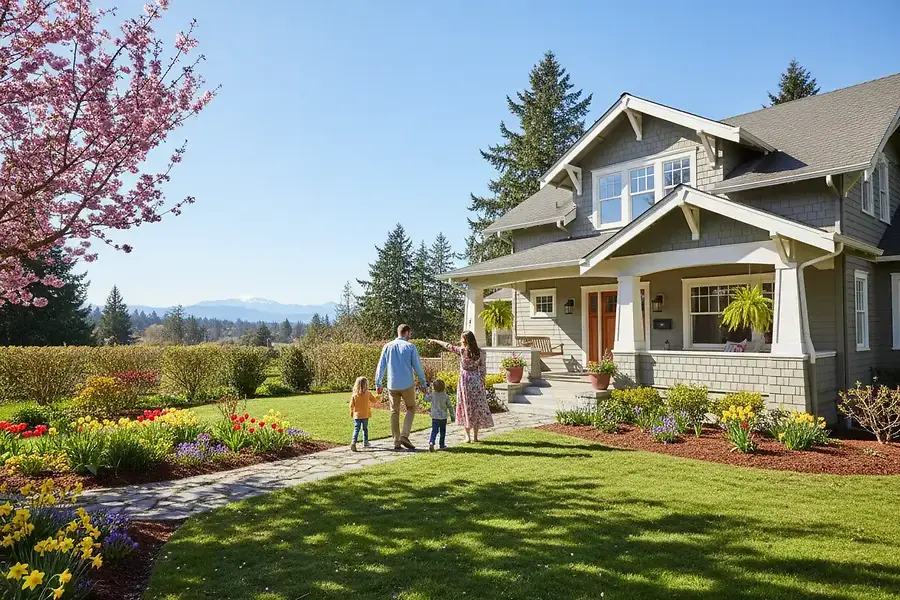
Spring represents the most active period in Portland's real estate market. As temperatures rise and daylight extends, buyer interest peaks dramatically. Homes listed during spring months typically receive more showings and competitive offers. This increased demand allows sellers to price more aggressively and negotiate from a position of strength.
The spring market attracts families planning moves before the school year begins, professionals relocating for summer positions, and investors seeking opportunities. This surge in buyer activity creates ideal conditions for sellers willing to list during these months.
Summer: Sustained Interest with Selective Buyers
Summer maintains reasonable market activity, though it begins to decline from spring peaks. Buyers active during summer months tend to be highly motivated, including:
- Families relocating before school starts
- Corporate transfers with flexible timelines
- Investors capitalizing on market opportunities
- Buyers with genuine urgency to purchase
While competition among sellers increases, the remaining buyers are often serious and ready to move quickly.
Fall: Transition and Opportunity
Fall brings a noticeable slowdown in market activity as summer ends and weather becomes unpredictable. However, this period presents unique advantages for strategic sellers. Reduced competition means your home receives more attention from serious buyers. Properties listed in fall often face less competition, allowing for better positioning in the market.
Winter: The Determined Buyer Market
Winter sees the lowest buyer activity of the year, but this doesn't mean your home won't sell. Winter buyers are typically highly motivated—relocating for job changes, managing life transitions, or facing genuine deadlines. These buyers often have fewer options and may be willing to negotiate more favorably on price.
Preparing Your Home for Peak Selling Seasons
Spring Preparation Strategy
To capitalize on spring's peak demand, begin preparations in late winter. Focus on:
- Landscaping and curb appeal enhancements
- Fresh exterior paint and repairs
- Deep cleaning and decluttering
- Interior staging for maximum appeal
- Professional photography in optimal lighting
First impressions matter tremendously in spring's competitive market. Buyers will have numerous options, so your home must stand out immediately.
Off-Season Preparation Advantages
If selling during slower seasons, preparation becomes even more critical. With fewer homes on the market, buyers scrutinize each property more carefully. Invest in professional staging, high-quality photography, and detailed home inspections to build buyer confidence.
Off-season sales require highlighting your home's unique features and year-round livability. Emphasize:
- Energy efficiency and heating systems
- Indoor entertainment spaces
- Cozy design elements and ambiance
- Proximity to indoor attractions and services
Pricing Strategies for Different Times of Year
Spring Pricing Approach
Spring's high demand justifies premium pricing. Homes in excellent condition can command top-market prices during peak season. Work with your real estate agent to analyze comparable sales and price competitively yet strategically. Many sellers successfully price at or slightly above market value in spring, knowing multiple offers may result.
Summer and Fall Pricing Tactics
As buyer activity decreases, pricing strategy becomes more nuanced. Consider:
- Competitive pricing to attract serious buyers
- Strategic price reductions after initial listing period
- Highlighting unique features that justify premium pricing
- Offering incentives rather than price reductions when possible
Pricing too aggressively during slower seasons may result in extended listing times and reduced final sale prices.
Winter Pricing Considerations
Winter requires the most strategic pricing approach. While buyer volume is lowest, motivated buyers may accept less-than-perfect conditions. Consider pricing competitively to attract these serious purchasers. However, avoid underpricing—winter buyers understand seasonal market dynamics and expect fair pricing.
Pro Tip: Work with experienced local real estate agents who understand Portland's specific market cycles. Their insights into neighborhood trends and buyer behavior are invaluable for timing and pricing decisions.
Dynamic Pricing Throughout the Year
Successful sellers adjust their approach based on market response. If your home isn't attracting sufficient interest, be prepared to adjust pricing or enhance marketing efforts. Conversely, strong buyer interest may justify maintaining or even increasing your asking price.
Conclusion: Making the Most of Market Timing
Selling your Greater Portland home strategically requires understanding seasonal patterns, preparing appropriately, and pricing intelligently. Spring offers maximum buyer activity and premium pricing opportunities, while off-season sales require strategic preparation and competitive pricing.
The "best" time to sell ultimately depends on your personal circumstances, home condition, and financial goals. However, armed with knowledge of seasonal patterns, you can make informed decisions that maximize your home's value. Consider consulting with local real estate professionals who can provide market-specific insights and help you navigate timing decisions with confidence.
Whether you're selling in peak season or taking advantage of off-season opportunities, strategic planning and market awareness will position you for success in Greater Portland's dynamic real estate landscape.