Seasonal Market Trends: Minnesota and Florida Real Estate Opportunities
Discover how seasonal shifts impact property values and buying opportunities across the Twin Cities and Southwest Florida markets.

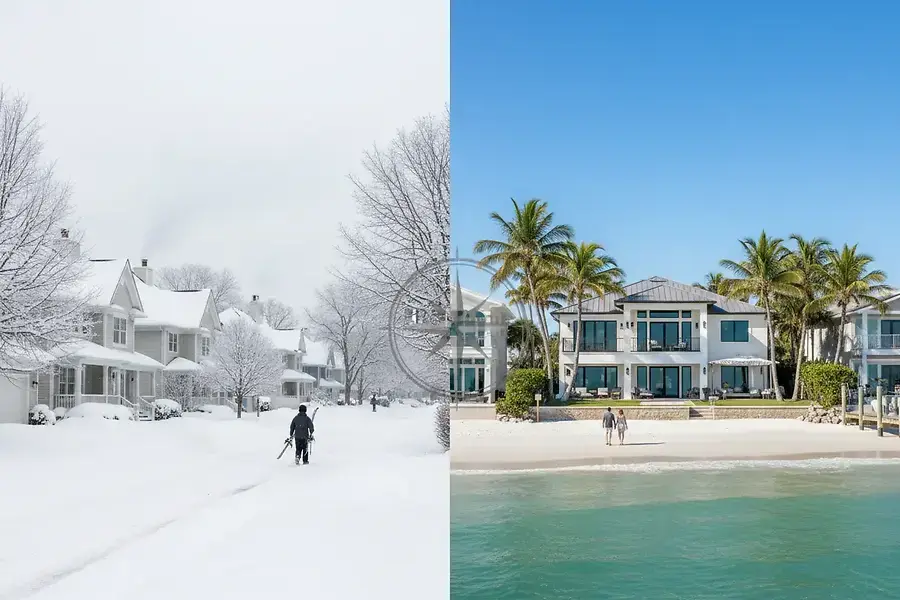
Understanding Seasonal Real Estate Patterns
The real estate market is far from static. Like many industries, property values and buyer activity fluctuate dramatically based on seasonal changes. Understanding these patterns can be the difference between making a smart investment and missing out on significant opportunities. Two markets that exemplify this seasonal dynamic are Minnesota's Twin Cities and Southwest Florida—regions with distinctly different climates that create opposing seasonal advantages.
Seasonal trends affect real estate in multiple ways: buyer motivation, inventory levels, property condition visibility, and financing availability all shift throughout the year. Smart investors who recognize these patterns can position themselves to negotiate better deals, secure properties before competition intensifies, and ultimately maximize their return on investment.
Minnesota's Winter Advantage: Why Cold Months Attract Serious Buyers
The Counter-Intuitive Winter Market
While most people associate winter with reduced real estate activity, Minnesota's Twin Cities market tells a different story. The winter months bring a unique advantage: serious, motivated buyers. When temperatures drop and snow blankets the region, casual browsers disappear, leaving only genuinely interested purchasers in the market.
Why Winter Buyers Mean Better Deals
Several factors make winter an excellent time to buy in Minnesota:
- Reduced Competition: Fewer buyers means less bidding wars and more negotiating power for purchasers
- Motivated Sellers: Properties listed during winter are often owned by sellers with genuine reasons to move—job transfers, family situations, or financial needs
- Better Inspection Conditions: Winter reveals a home's true condition—roof leaks, foundation issues, and heating problems become apparent
- Inventory Advantage: Sellers who list in winter are often more flexible on pricing
The Financing Edge
Winter buyers often find more favorable lending terms. With fewer transactions occurring, lenders are more competitive and willing to negotiate rates and terms. This creates an opportunity for savvy investors to secure better financing deals that can significantly impact long-term profitability.
Florida's Peak Season Strategy: Maximizing Value During High-Demand Months
Understanding Florida's Seasonal Surge
Southwest Florida operates on an entirely different seasonal calendar. The region's peak season runs from November through April, when northern residents flee harsh winters for warm, sunny weather. This seasonal migration creates a dramatically different market dynamic compared to Minnesota.
Peak Season Characteristics
During Florida's high-demand months, the market exhibits these key traits:
- Higher Property Values: Demand drives prices up significantly during peak season
- Increased Inventory: More sellers list properties, hoping to capitalize on buyer demand
- Faster Sales Cycles: Properties move quickly, sometimes within days of listing
- Premium Pricing: Sellers can command higher prices due to increased competition among buyers
The Off-Season Opportunity
Conversely, Florida's off-season (May through October) presents different opportunities. While summer heat and hurricane season deter many buyers, savvy investors recognize this as a chance to acquire properties at reduced prices. Sellers who remain motivated during slow months are often more willing to negotiate, and inventory becomes more selective.
Strategic Positioning
For Florida investors, the strategy differs from Minnesota. Rather than buying during peak season when prices are highest, successful investors often purchase during off-season months and prepare properties for the winter rush. This approach allows them to capture properties at better prices and position them for maximum appeal when demand surges.
Timing Your Investment: How to Leverage Seasonal Trends for Maximum ROI
Minnesota Strategy: Buy in Winter, Sell in Spring
The optimal Minnesota strategy involves purchasing properties during winter months when competition is minimal and prices are lower. Winter purchases allow investors to:
- Thoroughly inspect properties without seasonal distractions
- Negotiate from a position of strength
- Secure better financing terms
- Plan renovations during slower market periods
By spring, when the market heats up and more buyers emerge, these properties can be listed at premium prices. The seasonal shift from winter to spring typically brings increased buyer activity and higher valuations.
Florida Strategy: Buy Off-Season, Sell Peak Season
Florida's approach is nearly opposite. Successful investors purchase during the slower summer months when prices dip and seller motivation is high. This provides time to:
- Complete renovations and improvements
- Prepare properties for peak season appeal
- Stage homes to attract winter buyers
- Secure tenants for rental properties before high-demand season
Properties are then positioned for sale or lease just as peak season begins, capturing maximum value from seasonal demand.
Market Research and Data Analysis
Successful seasonal investing requires understanding local market data. Track historical price trends, inventory levels, and days-on-market across different seasons. This data reveals patterns specific to your target market and helps identify the optimal timing for your investments.
Risk Mitigation Through Seasonal Awareness
Smart investors don't fight seasonal trends—they work with them. Understanding when to buy and when to sell, based on seasonal patterns, significantly reduces investment risk and increases potential returns.
By aligning your investment strategy with seasonal market dynamics, you reduce the risk of purchasing at market peaks or selling during downturns. This awareness creates a natural hedge against market volatility.
Diversification Across Markets
Investors with properties in both Minnesota and Florida benefit from natural diversification. When one market is in its off-season, the other may be heating up. This geographic and seasonal diversification helps maintain consistent cash flow and investment activity throughout the year.
The key to maximizing real estate ROI lies in understanding and respecting seasonal patterns. Whether you're investing in Minnesota's winter market or Florida's peak season, timing your moves strategically can mean the difference between average returns and exceptional profits. By studying these trends and positioning your investments accordingly, you'll be well-positioned to capitalize on the unique opportunities each season presents.


