Seasonal Real Estate Trends: New Hampshire Lakes and Florida Coastal Markets
Discover how seasonal patterns shape property values and buyer demand across New Hampshire and Florida's most desirable residential markets.

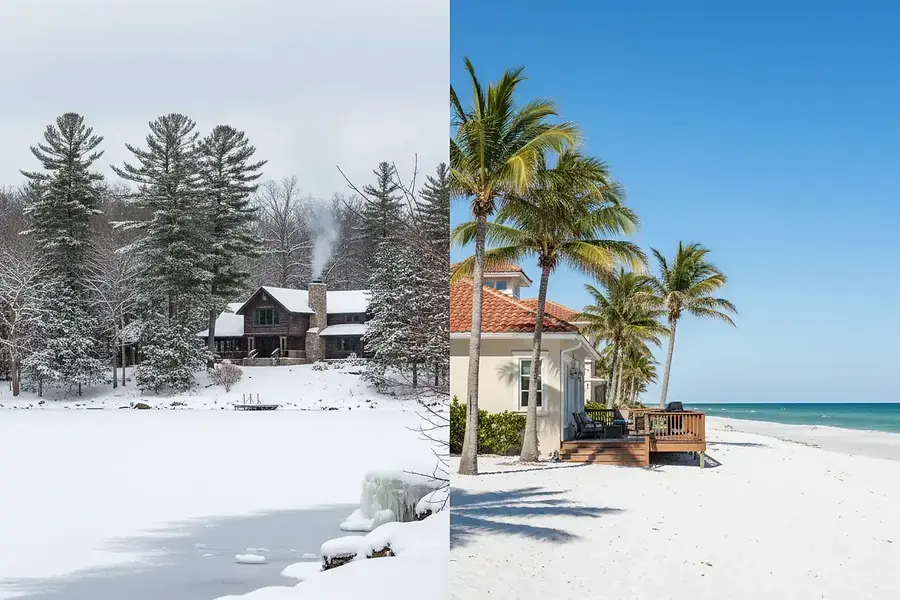
Understanding Regional Seasonal Cycles
Real estate markets are far from static. Across the United States, seasonal patterns create distinct windows of opportunity and challenge for both buyers and sellers. Two regions that exemplify this phenomenon are New Hampshire's picturesque lake communities and Florida's thriving coastal markets. Understanding these seasonal dynamics can mean the difference between finding your dream home at the right price and missing out on significant savings or investment opportunities.
Seasonal trends in real estate are driven by multiple factors: weather conditions, school calendars, vacation patterns, and regional economic cycles. When you align your real estate decisions with these patterns, you gain a competitive advantage in the marketplace.
New Hampshire Seasonal Dynamics and Lake Community Patterns
Summer: Peak Season for Lake Properties
New Hampshire's lake communities experience their strongest demand during the summer months. Warm weather, clear skies, and the allure of waterfront living attract families and vacation home seekers from across the Northeast. During this period:
- Property prices reach their annual highs
- Inventory moves quickly, sometimes within days
- Competition among buyers intensifies significantly
- Real estate agents report their highest transaction volumes
Buyers should expect premium pricing during summer months. However, this season offers the advantage of seeing properties in their best light—lush landscapes, sparkling water, and full recreational potential are on full display.
Fall: A Transitional Market
As summer fades, New Hampshire's lake markets experience a notable shift. Fall brings cooler temperatures and the beginning of the school year, which reduces vacation home interest. This season presents moderate opportunities for both buyers and sellers:
- Prices begin to soften from summer peaks
- Inventory increases as summer sellers list their properties
- Serious buyers emerge—those seeking primary residences rather than vacation homes
- Negotiating power gradually shifts toward buyers
Winter: The Buyer's Advantage
Winter transforms New Hampshire's real estate landscape. Snow-covered landscapes and frigid temperatures deter casual buyers, creating a buyer's market with significant advantages:
- Property prices drop 10-20% compared to summer levels
- Reduced competition means more negotiating leverage
- Serious sellers remain on the market—often motivated by genuine circumstances
- Properties that survive winter showings prove their true value
Winter buyers often secure the best deals, though they must be prepared to envision summer potential in a frozen landscape.
Spring: Renewal and Rising Demand
As snow melts and temperatures rise, New Hampshire's lake markets awaken. Spring represents a transition period where prices begin climbing toward summer levels. Buyers who missed winter opportunities often rush to purchase, creating renewed competition.
Florida Seasonal Fluctuations and Coastal Market Behavior
Winter: Peak Season for Coastal Properties
Florida's coastal markets operate on an inverse seasonal cycle compared to New Hampshire. Winter is prime time for Florida real estate, driven by:
- Northern residents fleeing cold weather
- Retirees seeking permanent warm-weather homes
- International buyers escaping harsh winters
- Perfect weather conditions for property viewing and outdoor activities
During winter months, Florida coastal properties command premium prices. Inventory moves rapidly, and competition among buyers reaches its annual peak. Expect to pay top dollar during this season.
Spring: Sustained Demand with Softening Prices
As winter transitions to spring, Florida's market remains strong but begins showing signs of moderation. Prices soften slightly as some seasonal buyers return north. This season offers balanced opportunities for both buyers and sellers, with slightly better negotiating conditions than winter.
Summer: The Off-Season Advantage
Summer represents Florida's buyer's market. Heat, humidity, and hurricane season deter many potential buyers, creating significant opportunities:
- Prices drop 15-25% from winter peaks
- Inventory increases substantially
- Motivated sellers become more flexible on pricing
- Serious buyers face minimal competition
Summer buyers who can tolerate the heat and weather concerns often secure exceptional deals on premium coastal properties.
Fall: Preparation for Peak Season
Fall marks the transition as temperatures begin cooling and hurricane season winds down. Early-season buyers start entering the market, gradually increasing demand and prices. This period offers moderate opportunities before winter's peak season arrives.
Leveraging Seasonal Insights for Your Next Move
For Buyers: Strategic Timing
In New Hampshire: If budget is your priority, plan to purchase during winter months when prices are lowest. If you prefer seeing properties in ideal conditions, spring and early summer offer better visibility at slightly lower prices than peak summer.
In Florida: Summer offers the best pricing for coastal properties, though you'll need to accept warm weather and hurricane season considerations. Spring provides a middle ground with moderate prices and pleasant weather.
For Sellers: Maximizing Value
In New Hampshire: List during spring or early summer to capture peak demand and achieve the highest prices. Properties shown in warm, sunny conditions attract more buyers and command premium valuations.
In Florida: Winter is your window for maximum exposure and pricing power. The influx of seasonal buyers creates competitive bidding situations that drive prices upward.
Key Takeaways
Seasonal patterns create predictable cycles in real estate markets. By understanding these patterns and aligning your buying or selling strategy accordingly, you can optimize your real estate decisions and achieve better financial outcomes.
Whether you're drawn to New Hampshire's serene lake communities or Florida's vibrant coastal lifestyle, timing matters. The best deal isn't always available when you want it—but understanding seasonal trends helps you know when to act and when to wait. Work with local real estate professionals who understand these regional patterns, and you'll be positioned to make informed decisions that align with your goals and budget.