Seattle Commercial Property Zoning Requirements and Compliance
Navigate zoning regulations to unlock investment opportunities and avoid costly legal issues in Seattle's commercial real estate market.

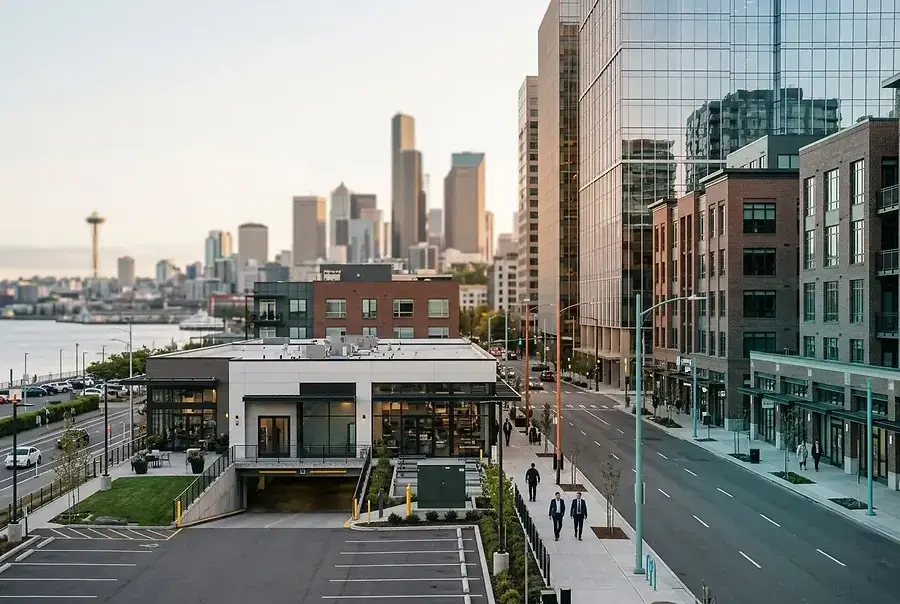
Understanding Seattle's Commercial Zoning Districts and Their Impact on Your Investment
Seattle's commercial real estate market is governed by a complex system of zoning districts, each designed to regulate land use and protect neighborhood character. Understanding these districts is essential for any investor looking to purchase or develop commercial property in the city.
The city is divided into several primary commercial zoning categories, including Neighborhood Commercial (NC), Community Commercial (CC), Urban Commercial (UC), and Downtown Commercial (DT). Each district has specific regulations regarding building height, setbacks, floor area ratios, and permitted uses.
Key Zoning District Characteristics
- Neighborhood Commercial (NC): Designed for small-scale retail and services serving local residents. These zones typically allow lower building heights and smaller lot sizes.
- Community Commercial (CC): Supports larger retail operations and mixed-use developments. Offers more flexibility than NC zones with moderate height restrictions.
- Urban Commercial (UC): Accommodates high-density commercial and mixed-use development. Allows taller buildings and higher floor area ratios, ideal for major retail and office spaces.
- Downtown Commercial (DT): The most permissive zoning category, allowing maximum building heights and density. Perfect for large-scale commercial and residential mixed-use projects.
Your investment strategy must align with the specific zoning district of your target property. A property zoned for neighborhood retail cannot be converted into a high-rise office building without significant rezoning efforts, which can be time-consuming and costly.
Common Zoning Compliance Challenges for Commercial Property Owners
Even experienced commercial property owners encounter zoning compliance issues. Understanding common challenges can help you avoid expensive mistakes and legal disputes.
Use Violations
One of the most frequent compliance issues occurs when property owners attempt to operate businesses that don't align with their zoning district. For example, operating a manufacturing facility in a neighborhood commercial zone can trigger code enforcement actions and fines. Always verify that your intended business use is permitted before purchasing the property.
Parking and Access Requirements
Seattle's zoning code mandates specific parking ratios depending on the commercial use. A restaurant might require one parking space per 150 square feet of dining area, while office space typically requires one space per 1,000 square feet. Failing to meet these requirements can result in citations and operational restrictions.
Height and Setback Non-Compliance
Building modifications or expansions that exceed zoning height limits or violate setback requirements are common violations. These issues often arise when property owners make improvements without proper permits or zoning verification.
Signage Violations
Commercial signage is heavily regulated in Seattle. Size, illumination, and placement restrictions vary by zoning district. Non-compliant signage can result in removal orders and fines.
How to Verify Zoning Eligibility Before Making a Commercial Purchase
Due diligence is critical before committing to a commercial property purchase. Taking time to verify zoning eligibility can save you thousands of dollars and prevent future legal complications.
Step 1: Obtain the Zoning Certificate
Contact the Seattle Department of Construction and Inspections (SDCI) to request an official zoning certificate for your target property. This document clearly identifies the zoning district, permitted uses, height limits, and other critical regulations. This is your most important verification tool.
Step 2: Review the Comprehensive Plan
Seattle's Comprehensive Plan outlines long-term development goals and land use policies. Reviewing this plan helps you understand whether your intended use aligns with the city's vision for the area and whether future rezoning might be likely.
Step 3: Consult the Seattle Municipal Code
The Seattle Municipal Code (SMC) contains detailed zoning regulations. Chapter 23 specifically addresses land use regulations. Review the relevant sections for your zoning district to understand all applicable requirements.
Step 4: Conduct a Site Visit and Environmental Review
Visit the property and surrounding area to assess compatibility with your business plans. Check for environmental constraints, proximity to sensitive uses, and neighborhood character. Environmental reviews may be required for certain commercial uses.
Step 5: Hire a Zoning Professional
Consider engaging a land use attorney or zoning consultant. These professionals can identify potential issues, estimate compliance costs, and advise on rezoning feasibility. This investment upfront can prevent costly problems later.
Working with Local Authorities to Maximize Your Property's Commercial Potential
If your intended use doesn't perfectly align with current zoning, don't immediately abandon your plans. Seattle's local authorities offer several pathways to modify zoning restrictions.
Conditional Use Permits
A Conditional Use Permit (CUP) allows certain uses that aren't automatically permitted in a zoning district, provided specific conditions are met. For example, you might obtain a CUP to operate a restaurant in a neighborhood commercial zone with strict parking and noise mitigation measures.
Variances
If strict compliance with zoning requirements creates undue hardship, you can request a variance. Variances are difficult to obtain and require demonstrating that the property has unique characteristics making compliance impractical. Variances are rarely granted and should be considered a last resort.
Rezoning Applications
For significant development projects, you can petition the city to rezone your property. This process involves submitting detailed plans, environmental assessments, and justifications for the zoning change. Rezoning can take 6-12 months and requires community input and city council approval.
Master Use Permits
For projects requiring design review or environmental analysis, a Master Use Permit (MUP) consolidates multiple permits into one application. This streamlines the approval process and provides clarity on all requirements.
Building Strong Relationships with SDCI
Establish open communication with the Seattle Department of Construction and Inspections early in your project. Attend pre-application meetings to discuss your plans with city staff.
Early engagement with local authorities often leads to smoother approvals and fewer surprises during the permitting process.
By understanding Seattle's zoning framework, conducting thorough due diligence, and working collaboratively with local authorities, you can navigate the commercial real estate market with confidence. Success in Seattle's commercial property market depends on informed decision-making and proactive compliance with zoning regulations.