Seattle Home Inspection Essentials: What All Buyers Must Know
Discover the critical inspection points that protect your investment and reveal hidden issues before closing on your Seattle property.

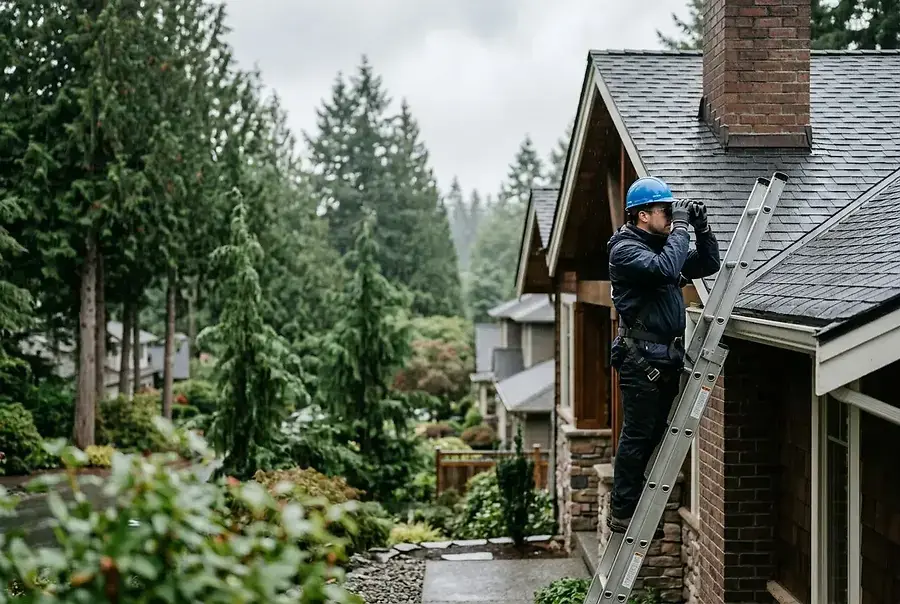
Introduction: Why Home Inspections Matter in Seattle's Competitive Market
Purchasing a home in Seattle is one of the most significant financial decisions you'll make. With the region's competitive real estate market, it's easy to feel pressured to move quickly and skip important steps. However, a professional home inspection is non-negotiable when protecting your investment. An inspection reveals hidden defects, structural issues, and maintenance concerns that could cost thousands of dollars to repair after closing.
Seattle's unique climate and geography present specific challenges that inspectors must evaluate carefully. From moisture damage to foundation concerns, understanding what inspectors look for helps you make informed decisions and negotiate repairs before finalizing your purchase.
Key Inspection Areas: Foundation, Roofing, and Weather-Related Concerns
Foundation and Structural Integrity
Seattle's wet climate and soil composition make foundation issues a primary concern for homebuyers. Inspectors examine foundations for:
- Cracks in concrete or masonry that indicate settling or shifting
- Water intrusion and moisture damage in basements or crawl spaces
- Signs of mold or rot that compromise structural integrity
- Proper drainage systems that direct water away from the foundation
A solid foundation is the backbone of any home. If an inspector identifies significant foundation issues, you may need to request repairs or renegotiate the purchase price before closing.
Roofing and Weather Protection
Given Seattle's rainy climate, your roof is your home's first line of defense against water damage. Inspectors evaluate:
- Roof age and remaining lifespan
- Missing, damaged, or deteriorating shingles
- Proper flashing around chimneys, vents, and skylights
- Gutters and downspouts that effectively channel water away
- Signs of leaks or water stains in the attic
A roof replacement can easily cost $10,000 or more, making this inspection area critically important. Understanding the roof's condition helps you budget for future maintenance or negotiate repairs with the seller.
Moisture and Mold Concerns
Seattle's damp environment creates ideal conditions for moisture accumulation and mold growth. Professional inspectors look for:
- Visible mold or mildew in bathrooms, basements, and crawl spaces
- Water stains on walls, ceilings, and wood framing
- Inadequate ventilation in bathrooms and kitchens
- Proper grading and drainage around the property
- Functioning sump pumps and dehumidifiers where needed
Mold remediation can be expensive and affect your family's health. Identifying moisture issues early allows you to address them before they become serious problems.
Plumbing and HVAC Systems
Beyond weather-related concerns, inspectors examine critical home systems:
- Water pressure and drainage throughout the home
- Condition of pipes and potential corrosion
- Heating system efficiency and safety
- Air conditioning functionality (if present)
- Water heater age and condition
These systems are essential for daily living, and repairs or replacements can be costly. A thorough inspection ensures you understand what you're inheriting with the property.
Understanding Your Inspection Report and Negotiating Repairs
Decoding Your Inspection Report
After the inspection, you'll receive a detailed report categorizing findings by severity. Most reports use classifications such as:
- Critical Issues: Problems that pose safety risks or require immediate attention
- Major Issues: Significant defects that will likely need repair soon
- Minor Issues: Small problems that don't require immediate action but should be monitored
Take time to review the report carefully and ask your inspector questions about any findings you don't understand. This knowledge empowers you during negotiations.
Negotiating Repairs and Credits
Once you have your inspection report, you have several options:
- Request repairs: Ask the seller to fix critical and major issues before closing
- Negotiate credits: Request a reduction in the purchase price to cover repair costs yourself
- Accept as-is: Proceed with the purchase without requesting changes (not recommended for significant issues)
- Walk away: Use inspection findings as grounds to exit the purchase agreement
In Seattle's competitive market, sellers may be reluctant to make repairs. However, critical safety issues are typically non-negotiable. Be strategic about which items you prioritize, focusing on expensive repairs and safety concerns rather than minor cosmetic issues.
Working with Your Real Estate Agent
Your real estate agent plays a crucial role in negotiations. They understand local market conditions and can advise you on which requests are reasonable and likely to be accepted. Trust their expertise while advocating for your interests.
Conclusion: Making Informed Decisions with Professional Guidance
A professional home inspection is your best protection as a Seattle homebuyer. By understanding what inspectors evaluate and how to interpret their findings, you can make confident decisions about your purchase.
Remember these key takeaways:
- Never skip a home inspection, regardless of market pressure
- Focus on critical issues related to foundation, roofing, and moisture in Seattle's climate
- Review your inspection report thoroughly and ask questions
- Negotiate strategically, prioritizing safety and major repairs
- Work closely with your real estate agent and inspector throughout the process
Investing in a thorough home inspection today protects your financial investment and your family's safety for years to come. In Seattle's dynamic real estate market, informed buyers make better decisions and avoid costly surprises after closing.


