Seattle Home Inspection Essentials: What Buyers Need to Know
Discover the critical inspection points every Seattle homebuyer should understand before making their offer.

Introduction: Why Home Inspections Matter in Seattle's Competitive Market
In Seattle's fast-paced real estate market, the pressure to make quick offers can be overwhelming. However, skipping or rushing through a home inspection is a mistake that could cost you thousands of dollars in repairs and unexpected issues. A thorough home inspection is your opportunity to uncover hidden problems before you commit to one of the largest purchases of your life.
Seattle's unique climate and geography create specific challenges that homebuyers must understand. The Pacific Northwest's rainy weather, combined with the region's soil composition and building practices, means certain issues are more common here than in other parts of the country. By knowing what to look for, you can make an informed decision and negotiate repairs or price adjustments with confidence.
Key Inspection Areas: Foundation, Moisture, and Weather-Related Concerns
Foundation and Structural Integrity
The foundation is the backbone of any home, and in Seattle, this is particularly critical. Look for signs of settling, cracks, or water damage that could indicate serious structural problems. A qualified inspector will examine the foundation for:
- Horizontal or vertical cracks in concrete or brick
- Bowing or leaning walls
- Gaps between the foundation and the house frame
- Evidence of previous repairs or reinforcement
Seattle's clay-heavy soil can shift with moisture changes, putting stress on foundations. Don't ignore even minor cracks—they can develop into major problems over time.
Moisture and Water Damage
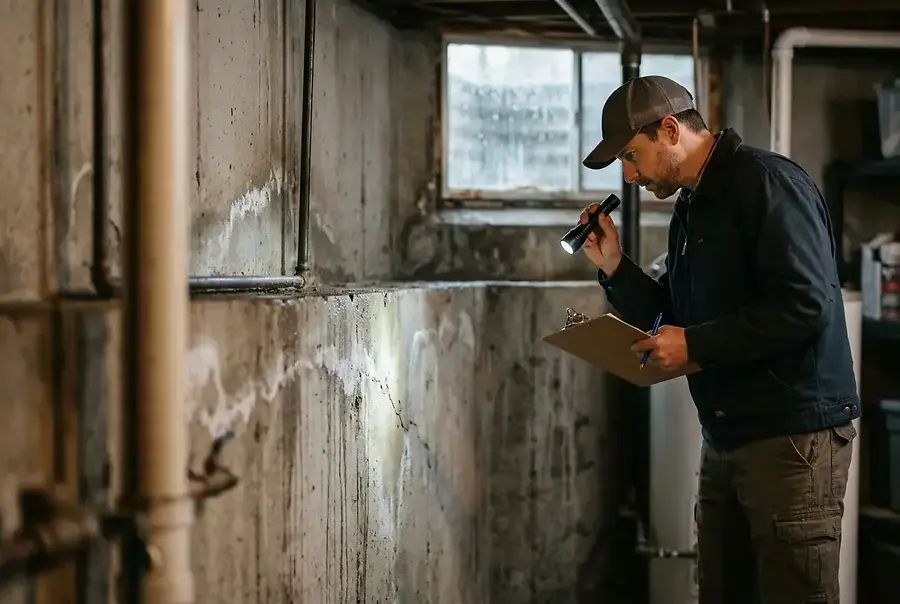
This is perhaps the most critical concern for Seattle homebuyers. Moisture intrusion is the leading cause of home damage in the Pacific Northwest. Your inspector should thoroughly check for:
- Water stains on ceilings, walls, and crawl spaces
- Mold or mildew growth, particularly in bathrooms and basements
- Soft or rotting wood in window frames, siding, and roof eaves
- Improper grading or drainage around the foundation
- Damaged or missing gutters and downspouts
- Roof leaks or deteriorated roofing materials
Pay special attention to the basement or crawl space. These areas are prone to moisture problems and can reveal whether the home has experienced flooding or chronic dampness. A damp crawl space might seem minor, but it can lead to structural decay and health issues over time.
Roofing and Weather Protection
Seattle's rainy climate makes a sound roof essential. Your inspector will evaluate:
- The age and condition of roofing materials
- Proper ventilation and insulation in the attic
- Flashing around chimneys, vents, and skylights
- Signs of leaks or water damage in the attic
- Gutter and downspout functionality
A roof replacement can cost $10,000 to $25,000 or more, so understanding its remaining lifespan is crucial for your budget planning.
Windows and Doors
Given Seattle's wet climate, windows and doors are critical barriers against moisture. Check for:
- Rotting or deteriorating frames
- Broken seals on double-pane windows
- Proper weatherstripping and caulking
- Functional locks and smooth operation
Red Flags and Deal-Breakers: Understanding Inspection Reports
What Requires Immediate Attention
Not all inspection findings are created equal. Some issues are cosmetic, while others could be deal-breakers. Major red flags include:
- Structural damage: Significant foundation cracks, bowing walls, or evidence of settling
- Extensive water damage: Widespread mold, rot, or evidence of flooding
- Failing systems: Electrical hazards, plumbing problems, or HVAC failures
- Pest infestation: Evidence of termites, carpenter ants, or rodents
- Asbestos or lead: Presence of these hazardous materials, especially in older homes
Negotiating Based on Inspection Results
Once you have the inspection report, you have leverage. You can:
- Request the seller make repairs before closing
- Negotiate a price reduction to account for repairs you'll handle
- Ask for credits toward repairs or improvements
- Walk away from the deal if issues are too severe
Remember: In a competitive market, having a thorough inspection report gives you concrete reasons to renegotiate, which is far more effective than vague concerns.
Understanding the Inspector's Recommendations
A good inspection report will prioritize issues by severity. Focus on items marked as "urgent" or "safety concerns" first. Items marked as "maintenance" or "future consideration" can often be addressed later or factored into your long-term budget.
Don't hesitate to ask your inspector questions about any findings. A qualified professional should be able to explain issues in detail and help you understand the implications for your home's value and livability.
Conclusion: Protecting Your Investment Through Thorough Due Diligence
A home inspection is not an expense—it's an investment in your peace of mind and financial security. In Seattle's competitive real estate market, where homes often sell quickly and at premium prices, taking time for a thorough inspection is more important than ever.
By understanding what inspectors look for and knowing which issues matter most, you can approach your home purchase with confidence and clarity.
Choose a qualified, experienced inspector who understands Seattle's specific challenges. Ask for references, verify certifications, and don't be afraid to ask detailed questions about their findings. Your inspector is your advocate—they're working to protect your interests and ensure you're making a sound investment.
Whether you're a first-time homebuyer or an experienced investor, a comprehensive home inspection is the foundation of a successful real estate transaction. Take the time to do it right, and you'll be protecting your investment for years to come.


