Seattle Home Inspection Essentials: What Every Buyer Must Know
Discover the critical inspection points that protect your investment and reveal hidden issues before you commit to a Seattle property.

Why Home Inspections Matter in Seattle's Competitive Market
In Seattle's fast-paced real estate market, the pressure to make quick offers can be overwhelming. However, skipping or rushing through a home inspection is a costly mistake that could leave you with thousands of dollars in unexpected repairs. A thorough home inspection is your opportunity to uncover hidden problems before you commit to one of the largest purchases of your life.
Home inspections serve as a critical safeguard in any real estate transaction. They provide an objective assessment of a property's condition, identify potential safety hazards, and reveal maintenance issues that may not be visible during a casual walkthrough. In Seattle's older neighborhoods and newer developments alike, inspections can make the difference between a sound investment and a financial burden.
The inspection process typically takes 2-3 hours and covers all major systems and components of the home. A certified inspector will examine everything from the foundation to the roof, providing you with detailed documentation of the property's condition. This information becomes invaluable when negotiating repairs or price adjustments with sellers.
Key Areas Inspectors Evaluate: Foundation, Roof, and Plumbing Systems
Foundation and Structural Integrity
Seattle's wet climate and soil composition make foundation issues particularly common in the region. Inspectors carefully examine the foundation for cracks, settling, water damage, and signs of structural movement. Even small cracks can indicate larger problems that may require expensive repairs.
Key foundation concerns include:
- Horizontal or diagonal cracks in concrete or brick
- Water seepage or moisture in basements and crawl spaces
- Uneven floors or doors that don't close properly
- Evidence of previous repairs or patching
- Inadequate drainage around the perimeter
Roof Condition and Longevity
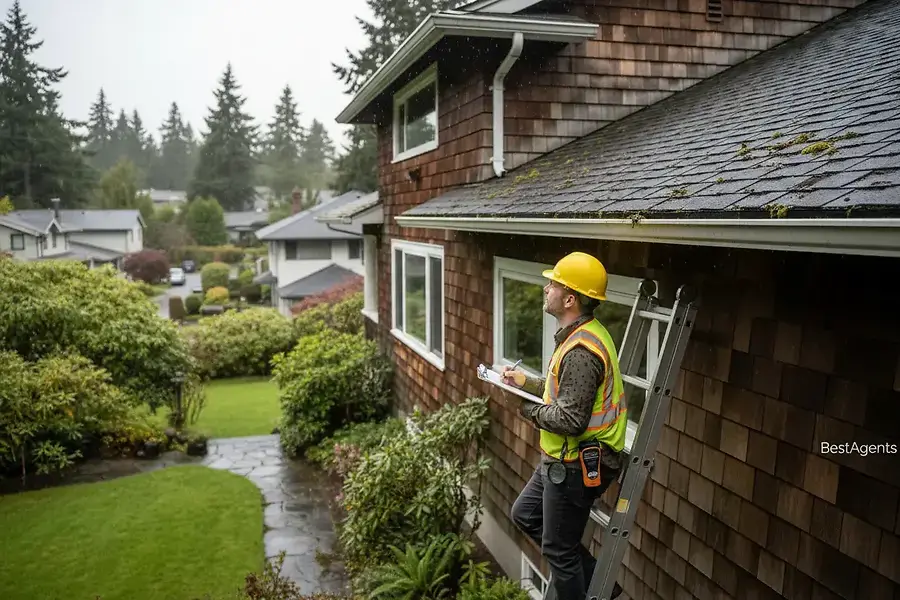
Given Seattle's rainy climate, the roof is one of the most critical components of any home. Inspectors evaluate roofing materials, age, condition, and remaining lifespan. A roof nearing the end of its life can cost $10,000-$25,000 to replace, making this assessment essential for budgeting.
Inspectors look for:
- Missing, cracked, or curling shingles
- Moss or algae growth (common in Seattle)
- Flashing condition around chimneys and vents
- Gutter and downspout functionality
- Signs of leaks or water damage in the attic
Plumbing Systems
Plumbing issues can range from minor annoyances to major disasters. Inspectors test water pressure, check for leaks, and evaluate the condition of pipes throughout the home. Older homes in Seattle may have outdated plumbing materials that require replacement.
Critical plumbing checks include:
- Water pressure and flow rates
- Visible leaks under sinks and around fixtures
- Drain functionality and signs of clogs
- Water heater age and condition
- Presence of outdated materials like galvanized or polybutylene pipes
Red Flags and How to Interpret Inspection Reports
Understanding Report Categories
Professional inspection reports typically categorize findings into levels of severity. Understanding these categories helps you prioritize concerns and determine which issues require immediate attention.
Major Issues are safety hazards or expensive repairs that should be addressed before purchase. These might include structural damage, electrical hazards, or failing HVAC systems. Minor Issues are cosmetic problems or routine maintenance items that don't pose immediate risk.
Common Red Flags in Seattle Homes
Certain findings should raise concerns and warrant further investigation or professional estimates:
- Water Damage: Staining, soft wood, or mold indicates moisture problems that could worsen
- Electrical Issues: Outdated panels, improper grounding, or insufficient outlets suggest safety risks
- HVAC Problems: Aging systems may fail soon, requiring replacement costs of $5,000-$10,000
- Pest Damage: Evidence of termites, carpenter ants, or rodents requires professional treatment
- Asbestos or Lead: Older homes may contain hazardous materials requiring professional remediation
What Doesn't Require Panic
Not every finding in an inspection report is a deal-breaker. Normal wear and tear, minor cosmetic issues, and routine maintenance items are expected in any home. Focus your concerns on structural integrity, safety systems, and major mechanical components that are expensive to repair or replace.
Using Inspection Results to Negotiate and Make Confident Offers
Once you receive the inspection report, you have several options. You can request that the seller make repairs before closing, ask for a credit to cover repair costs, or renegotiate the purchase price. Armed with detailed inspection findings, you negotiate from a position of knowledge and strength.
When reviewing findings with your real estate agent, prioritize items that affect safety, structural integrity, and major systems. Request written estimates from licensed contractors for significant repairs. This documentation strengthens your negotiating position and prevents disputes later.
Remember that inspection results are not meant to scare you away from a property—they're meant to inform your decision. Many homes have minor issues that are easily corrected. What matters is understanding what you're buying and making an informed choice about whether the property represents good value at the agreed-upon price.
A thorough home inspection is an investment in peace of mind. By understanding what inspectors evaluate and how to interpret their findings, you protect your financial interests and make confident decisions in Seattle's competitive real estate market.


