Seattle Home Inspections: Essential Buyer's Guide to Protecting Your Investment
Discover the critical inspection points that can save you thousands and protect your investment in Seattle's competitive real estate market.

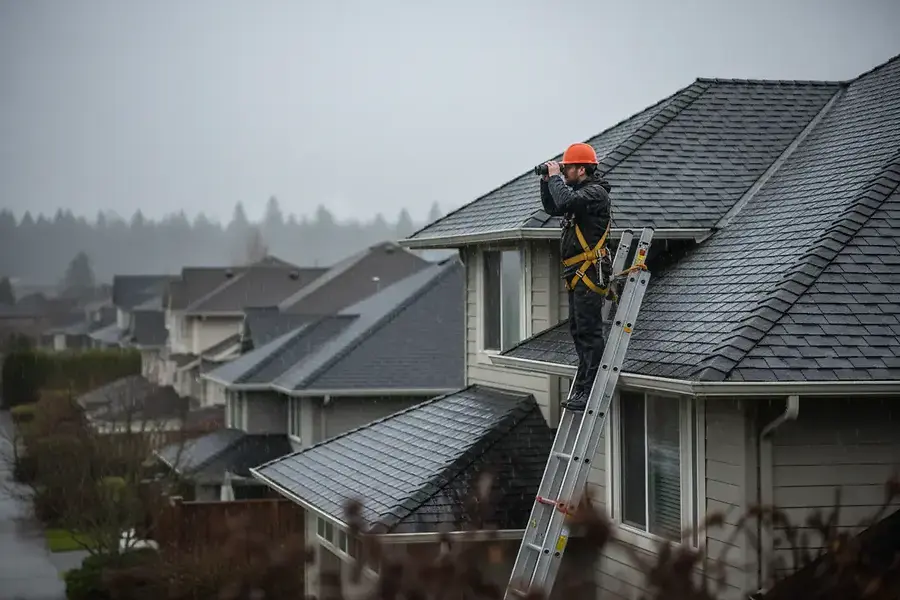
Understanding Seattle's Unique Climate Challenges and Home Inspection Priorities
Seattle's Pacific Northwest climate presents unique challenges for homeowners and buyers. The region's wet, temperate weather creates specific vulnerabilities that differ significantly from other parts of the country. Understanding these climate-specific issues is crucial when evaluating a potential home purchase.
The constant moisture and rainfall in Seattle make water intrusion one of the most critical concerns during a home inspection. Unlike drier climates, Seattle homes face year-round exposure to dampness, which can lead to mold growth, wood rot, and structural damage if not properly managed. Additionally, the region's mild winters mean that homes don't experience the freeze-thaw cycles common in colder climates, but they do face prolonged wet conditions that can compromise building materials over time.
When scheduling your home inspection, prioritize these Seattle-specific concerns:
- Water damage and moisture intrusion patterns
- Mold and mildew presence in basements and crawl spaces
- Roof condition and drainage systems
- Foundation stability and water management
- Ventilation and humidity control systems
Key Inspection Areas: Foundation, Roofing, and Water Damage Prevention
Foundation Assessment
Seattle homes often sit on challenging soil conditions, and many older properties have crawl spaces rather than full basements. During inspection, your inspector should thoroughly examine:
- Signs of settling, cracking, or shifting in the foundation
- Water pooling or moisture accumulation in crawl spaces
- Proper grading around the foundation to direct water away from the home
- Condition of support posts and beams in crawl spaces
Foundation issues can be expensive to repair, often costing $10,000 to $50,000 or more depending on severity. This makes foundation inspection one of the most important aspects of your home evaluation.
Roofing and Drainage Systems
Given Seattle's rainfall, the roof is your home's first line of defense against water damage. Your inspector should evaluate:
- Roof age and remaining lifespan
- Condition of shingles, flashing, and seals
- Gutter and downspout functionality and cleanliness
- Proper water drainage away from the foundation
- Evidence of past leaks or water stains in the attic
A compromised roof can lead to interior water damage affecting insulation, electrical systems, and structural integrity. Roof replacement typically costs $8,000 to $20,000, making this a critical inspection point.
Water Damage and Moisture Control
Beyond the roof, inspectors should identify any signs of water damage throughout the home:
- Staining on ceilings, walls, or floors
- Soft or spongy wood indicating rot
- Musty odors suggesting mold or mildew
- Visible mold growth in bathrooms, basements, or crawl spaces
- Condensation patterns on windows or pipes
Water damage is cumulative and progressive—what appears minor today can become a major structural problem within years if left unaddressed.
Working with Local Inspectors and Interpreting Inspection Reports
Selecting the Right Inspector
Not all home inspectors are created equal. When choosing an inspector for your Seattle property, look for:
- Certification and licensing in Washington State
- Specific experience with Seattle-area homes and climate challenges
- Membership in professional organizations like ASHI (American Society of Home Inspectors)
- Positive reviews and references from local real estate professionals
- Willingness to explain findings in detail and answer questions
A knowledgeable local inspector will understand the specific vulnerabilities of Seattle homes and can provide context for their findings.
Understanding Your Inspection Report
Home inspection reports typically categorize findings into three levels:
- Safety Issues: Problems that pose immediate danger or require urgent attention
- Major Repairs: Significant issues that will likely need addressing within the next few years
- Minor Issues: Cosmetic or minor functional problems that don't require immediate attention
Don't be overwhelmed by a lengthy report—every home has some issues. Focus on understanding which items are critical, which are maintenance-related, and which are simply recommendations for future consideration.
Asking the Right Questions
During the inspection walkthrough, ask your inspector to clarify:
- What is the estimated cost to repair each major issue?
- How urgent is each repair?
- Are there any hidden problems that might emerge later?
- What preventive maintenance should be performed regularly?
Using Inspection Findings to Negotiate Better Offers and Avoid Costly Surprises
Strategic Negotiation Based on Inspection Results
In Seattle's competitive real estate market, inspection findings provide leverage for negotiation. You have several options when significant issues are discovered:
- Request repairs: Ask the seller to fix major issues before closing
- Request credits: Negotiate a price reduction to cover repair costs yourself
- Request inspections: Ask for specialized inspections (electrical, plumbing, pest) for specific concerns
- Walk away: Use inspection findings as justification to exit the deal if issues are severe
The key is presenting your requests professionally and reasonably. Sellers are more likely to accommodate requests for major safety issues than cosmetic concerns.
Building in Contingencies
Always include an inspection contingency in your purchase offer. This allows you to:
- Conduct a thorough inspection before committing to the purchase
- Request repairs or credits based on findings
- Renegotiate terms if significant issues are discovered
- Exit the deal without penalty if problems are unacceptable
In Seattle's fast-paced market, some buyers waive inspections to make competitive offers. This is rarely advisable and can result in purchasing a home with hidden, expensive problems.
Planning for Future Maintenance
Use your inspection report as a roadmap for future maintenance. Create a prioritized list of repairs and improvements, and budget accordingly. This proactive approach prevents small issues from becoming major problems and protects your investment long-term.
A thorough home inspection is one of the most important steps in the home-buying process. By understanding Seattle's unique challenges, knowing what to look for, and working with experienced local inspectors, you can make informed decisions that protect your investment and avoid costly surprises down the road.


