Seattle Mixed-Use Development: Converting Retail to Office Space
Learn how Seattle commercial property owners are adapting mixed-use buildings to capture emerging market demand.

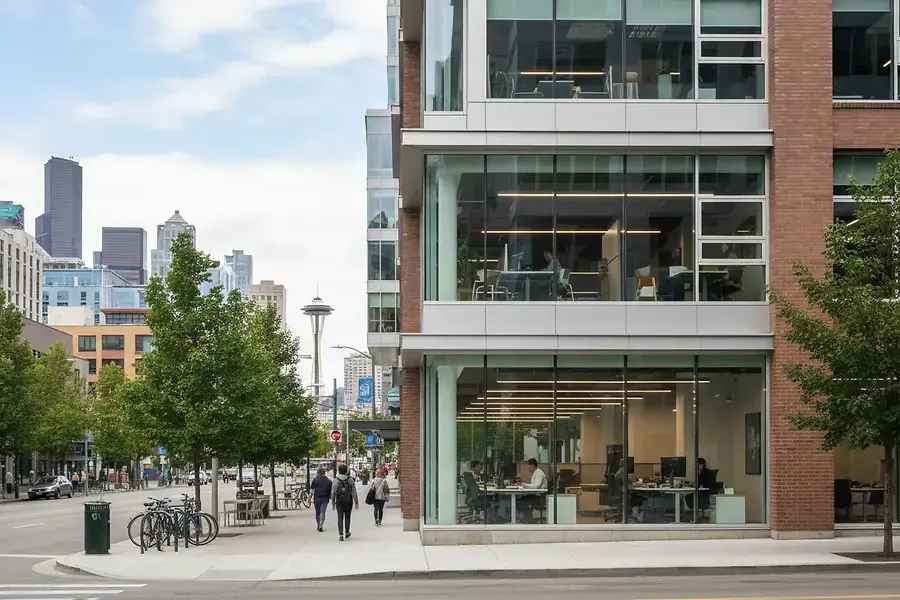
The Shift in Seattle's Commercial Real Estate Landscape
Seattle's commercial real estate market is experiencing a significant transformation. The traditional retail-dominated mixed-use buildings that once defined the city's urban corridors are evolving to meet changing business needs. Property owners are recognizing that the demand for flexible, modern office space far exceeds the appetite for traditional brick-and-mortar retail establishments.
This shift reflects broader economic trends affecting major metropolitan areas across North America. Remote work adoption, e-commerce growth, and changing consumer shopping habits have fundamentally altered how businesses utilize commercial real estate. Seattle, with its thriving tech industry and competitive office market, presents unique opportunities for property owners willing to adapt.
The numbers tell a compelling story: Vacancy rates for retail spaces have climbed while demand for quality office environments remains robust. Forward-thinking developers and property managers are capitalizing on this disparity by converting underperforming retail areas into sought-after office space.
Understanding Mixed-Use Property Conversions and Their Benefits
What Are Mixed-Use Property Conversions?
Mixed-use property conversions involve transforming existing commercial spaces from one primary use to another while maintaining the building's multifunctional character. In Seattle's context, this typically means converting ground-floor or mid-level retail spaces into modern office environments, while potentially preserving residential or other commercial uses within the same structure.
Key Benefits for Property Owners
- Increased Revenue Potential: Office space commands higher rental rates than traditional retail in many Seattle neighborhoods, directly improving property valuations and cash flow.
- Reduced Vacancy Risk: With strong demand for office space, property owners can achieve faster lease-up times and more stable tenant relationships.
- Operational Efficiency: Office tenants typically require less maintenance and have fewer specialized infrastructure needs than retail operations.
- Long-Term Lease Stability: Corporate tenants often sign longer lease agreements, providing predictable income streams for property owners.
- Property Value Enhancement: Successful conversions can significantly increase overall property valuations, benefiting owners' long-term investment returns.
Benefits for Tenants and the Community
The conversion trend isn't solely beneficial for property owners. Tenants gain access to modern, flexible office spaces designed for contemporary work styles. Communities benefit from revitalized commercial corridors and improved street-level activation through thoughtful design that maintains neighborhood character.
Key Strategies for Successfully Transitioning Retail to Office Space
Conduct Thorough Market Analysis
Before committing to conversion, successful property owners invest time in comprehensive market research. This includes analyzing local office demand, understanding tenant preferences, and identifying the specific neighborhoods where conversions will be most profitable. Seattle's diverse neighborhoods—from Capitol Hill to Ballard to the Eastside—each present different opportunities and challenges.
Invest in Infrastructure Upgrades
Converting retail to office space requires strategic infrastructure improvements:
- HVAC systems designed for office occupancy patterns and air quality standards
- Enhanced electrical systems to support modern technology and equipment
- High-speed internet infrastructure and telecommunications capabilities
- Improved restroom facilities and break room amenities
- Flexible floor plans that accommodate open-concept and private office configurations
Design for Flexibility and Future Adaptability
The most successful conversions prioritize flexibility. Rather than creating rigid office layouts, smart property owners design spaces that can adapt to different tenant needs. Modular workstations, movable partitions, and multi-purpose areas allow tenants to customize their environments while giving property owners options for future reconfiguration.
Address Parking and Transportation Challenges
Office conversions in urban Seattle must account for parking and transportation realities. Many successful projects incorporate:
- Partnerships with public transportation providers
- Bike storage and shower facilities for commuters
- Negotiated parking arrangements with nearby facilities
- Car-sharing program partnerships
Maintain Neighborhood Character and Ground-Level Activation
The most successful mixed-use conversions preserve neighborhood identity. Property owners should consider maintaining some ground-level retail or hospitality uses—such as coffee shops, restaurants, or service businesses—that keep streets vibrant and welcoming. This approach balances office conversion benefits with community needs.
Navigate Regulatory Requirements
Seattle's regulatory environment requires careful attention. Property owners must work with city planners to understand zoning requirements, building codes, and any neighborhood-specific guidelines. Many Seattle neighborhoods have design review processes that ensure conversions complement existing architecture and community character.
Implement Phased Conversion Approaches
Rather than converting entire buildings at once, some property owners use phased approaches. This strategy allows them to test market response, manage construction disruption, and maintain some revenue from existing tenants during the transition period. Phased conversions also provide flexibility to adjust strategies based on market feedback.
Conclusion: Positioning Your Seattle Property for Future Growth
Seattle's commercial real estate landscape continues to evolve, and property owners who adapt will thrive. Converting retail space to office environments represents a strategic response to genuine market demand, not a temporary trend. The combination of Seattle's robust tech sector, quality-of-life advantages, and limited new office construction creates favorable conditions for successful conversions.
Success requires thoughtful planning, strategic investment, and a commitment to creating spaces that serve both business needs and community interests.
Property owners considering conversions should start with thorough market analysis, engage experienced architects and contractors familiar with Seattle's unique requirements, and maintain flexibility throughout the process. By combining smart infrastructure investments with thoughtful design and community consideration, Seattle property owners can position their assets for sustained growth and relevance in an evolving market.
The future of Seattle's mixed-use properties belongs to those who recognize changing market dynamics and act decisively to meet emerging demand. For property owners ready to embrace this transformation, the opportunities are substantial.