Seattle Real Estate Market Timing: When to Sell Your Home for Maximum Returns
Discover the seasonal trends and buyer demand patterns that help Seattle homeowners achieve their best sale prices.

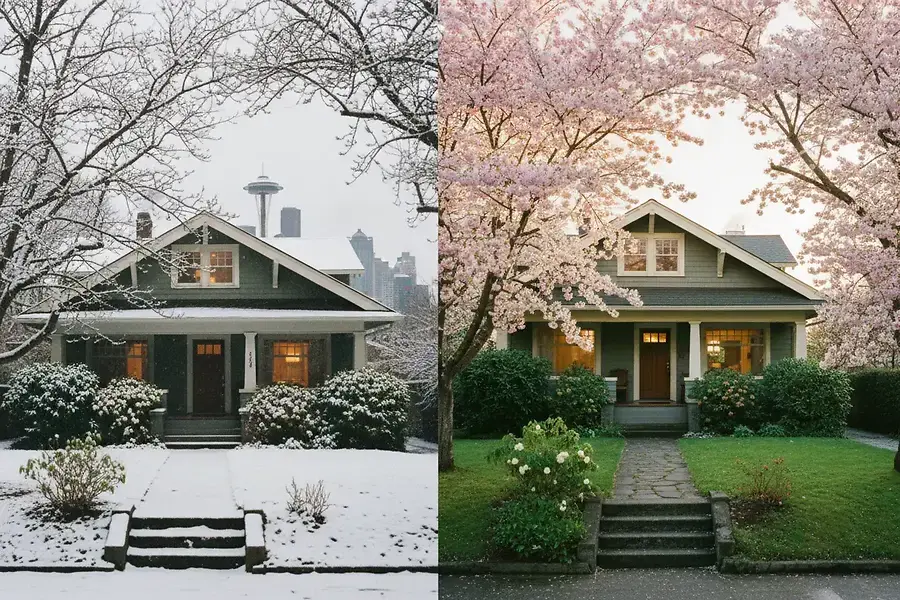
Introduction: Understanding Seattle's Dynamic Real Estate Cycle
The Seattle real estate market operates in distinct seasonal patterns that significantly influence home prices, buyer competition, and overall selling success. Unlike a flat, year-round market, Seattle experiences predictable fluctuations driven by weather, school schedules, and regional economic factors. Understanding these cycles is crucial for homeowners looking to maximize their return on investment.
Timing your home sale strategically can mean the difference between a quick transaction at your asking price and months of waiting for the right buyer. The key to success lies in recognizing when market conditions favor sellers and when alternative strategies become necessary. This guide explores Seattle's real estate seasonality and provides actionable insights for homeowners ready to make their move.
Spring and Summer: Peak Selling Season in Seattle
Why Spring Dominates the Market
Spring represents the golden window for Seattle home sellers. As temperatures rise and days lengthen, the city transforms into an attractive backdrop for property showings. Families with school-age children prioritize moving during spring break and early summer to minimize disruption to their children's education. This creates a surge in buyer activity that directly benefits sellers.
During this period, you'll notice:
- Increased buyer competition – More qualified buyers actively searching for homes
- Higher listing prices – The market supports premium pricing due to demand
- Faster sales cycles – Homes typically sell within days or weeks rather than months
- Multiple offers – Competitive bidding situations that drive prices upward
Summer Momentum and Extended Daylight
Summer extends the peak selling season through the end of June. The extended daylight hours allow evening showings that appeal to working professionals. Properties photograph better in bright, natural light, and landscaping appears more vibrant. Homes shown during golden hour often generate stronger emotional responses from potential buyers.
However, competition among sellers also increases during summer. To stand out, ensure your home is in pristine condition, professionally staged, and priced competitively. The abundance of inventory means buyers have choices, so your property must make an exceptional first impression.
Fall and Winter: Alternative Strategies for Seattle Sellers
Fall: The Transition Period
As summer fades, the market begins cooling, but fall still presents opportunities for strategic sellers. Early fall, before Labor Day, captures the tail end of the spring-summer rush. Serious buyers who missed the peak season are still actively searching, and competition from other sellers decreases noticeably.
Fall selling advantages include:
- Reduced inventory means less competition
- Motivated buyers who must complete purchases before year-end
- Beautiful autumn scenery that enhances curb appeal
- Lower marketing costs due to decreased competition for advertising space
Properties listed in early fall often sell faster than those listed in late fall, as buyer motivation wanes as the holidays approach.
Winter: The Motivated Buyer Advantage
Winter presents a counterintuitive opportunity for savvy sellers. While inventory plummets and showings decrease, the buyers actively searching during winter tend to be highly motivated. These include:
- Corporate relocations with firm move-in dates
- Families needing to relocate before school year starts
- Investors seeking off-season deals
- Buyers with genuine urgency rather than casual interest
Winter buyers are typically more serious and less price-sensitive than seasonal shoppers, making negotiations smoother and closing timelines more predictable.
Positioning Your Home in Off-Season Markets
Selling during fall and winter requires different strategies than peak season. Focus on these elements:
- Interior staging becomes paramount – Highlight cozy features, warm lighting, and comfortable spaces
- Professional photography with enhanced lighting – Compensate for shorter daylight hours
- Price competitively – Reduced competition allows for strategic pricing rather than premium pricing
- Emphasize year-round appeal – Showcase how the home functions in all seasons
- Highlight heating systems and insulation – Winter buyers prioritize energy efficiency
Off-season sellers often benefit from less competition and more motivated buyers, potentially resulting in faster sales despite lower overall market activity.
Conclusion: Making Your Move at the Right Time
Seattle's real estate market rewards informed decision-making. The optimal time to sell depends on your specific circumstances:
Choose spring or early summer if: You're flexible on timing and want maximum buyer exposure, you're not in a rush to sell, or your home shows best in bright natural light.
Consider fall or winter if: You need a faster sale with less competition, you're targeting motivated buyers, or you prefer a less hectic selling process with fewer showings to manage.
Regardless of season, success requires proper preparation, realistic pricing, and professional marketing. Work with a local real estate agent who understands Seattle's specific market dynamics and can guide you toward the timing strategy that maximizes your returns. By aligning your sale with market conditions and buyer behavior patterns, you'll position yourself for the best possible outcome in Seattle's dynamic real estate landscape.


