Seattle Real Estate Market Trends: What's Driving 2026 Prices
Discover the key factors influencing Seattle's residential market and how they impact your buying or selling strategy.

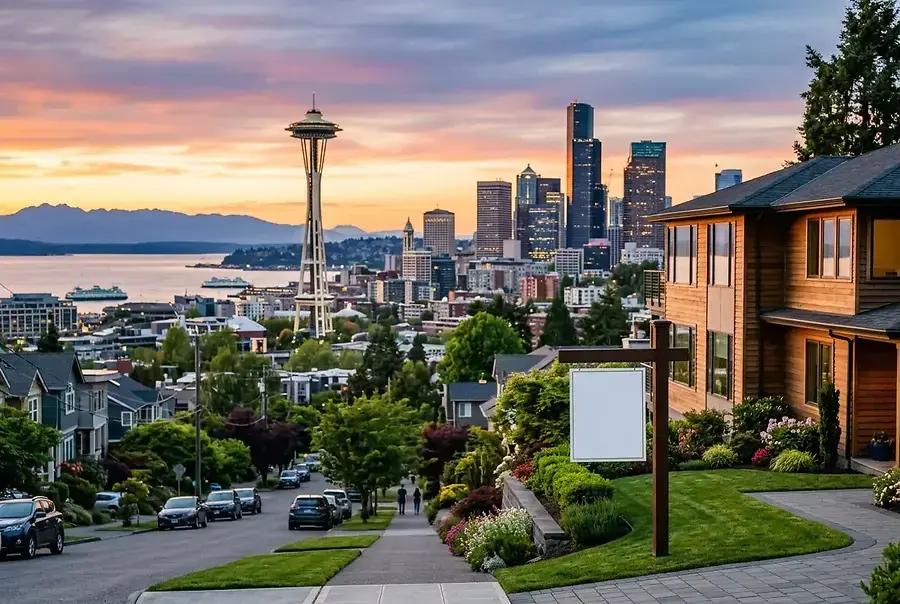
Understanding Seattle's Current Market Dynamics
The Seattle real estate market continues to evolve in fascinating ways, reflecting broader economic trends and local factors that shape the residential landscape. After years of rapid growth and fluctuation, the market has entered a phase of stabilization with selective growth in key neighborhoods. Understanding these dynamics is essential for anyone considering a real estate transaction in the Pacific Northwest.
Seattle's housing market remains competitive, though conditions have shifted from the frenetic pace of previous years. Inventory levels have gradually increased, giving buyers more options while still maintaining favorable conditions for sellers in desirable neighborhoods. The market is no longer a pure seller's market across all segments, but rather a more balanced environment where location, condition, and pricing strategy matter significantly.
Key Factors Affecting Home Values in the Seattle Area
Technology Industry Influence
The technology sector remains a primary driver of Seattle's real estate market. Major tech companies and startups continue to attract talent to the region, creating sustained demand for housing. Remote work arrangements have also expanded the geographic reach of Seattle's job market, allowing professionals to live further from urban centers while maintaining employment with Seattle-based companies.
Population Growth and Migration Patterns
Seattle continues to attract newcomers from across the country, drawn by career opportunities, quality of life, and the region's natural beauty. However, migration patterns have become more nuanced:
- Young professionals still flock to urban neighborhoods with walkable amenities
- Families are increasingly exploring suburban communities with good schools and space
- Remote workers are discovering neighborhoods further from downtown Seattle
- Some residents are relocating to more affordable surrounding areas
Interest Rates and Financing Conditions
Mortgage rates have stabilized at levels that remain higher than historical averages, significantly impacting purchasing power. This has created a bifurcated market where well-qualified buyers with substantial down payments continue to find opportunities, while first-time homebuyers face increased challenges. Financing conditions directly influence which price points experience the most activity.
Neighborhood-Specific Appreciation
Not all Seattle neighborhoods are experiencing equal appreciation. Certain areas have emerged as particularly attractive:
- Ballard and Fremont: Continued appeal for young professionals and families seeking walkable neighborhoods with vibrant communities
- Capitol Hill: Sustained demand despite higher price points, driven by cultural amenities and urban lifestyle
- Eastside Communities: Redmond, Bellevue, and Kirkland remain strong due to proximity to major tech employers
- South Seattle: Emerging neighborhoods offering better value and investment potential
Housing Supply Constraints
Despite increased inventory, Seattle still faces supply challenges. New construction has not kept pace with demand, particularly in the affordable housing segment. Zoning regulations, construction costs, and land availability continue to limit the number of new homes entering the market, providing underlying support for prices in established neighborhoods.
Economic Factors and Cost of Living
Seattle's strong economy supports the real estate market, but rising costs of living create tension. While salaries in tech and professional services remain competitive, housing costs consume a significant portion of household budgets. This has pushed some buyers to consider properties further from downtown or in less trendy neighborhoods.
How to Use Market Trends to Your Advantage
For Buyers
The current market environment offers opportunities for strategic buyers:
- Expand your geographic search: Consider neighborhoods slightly further from downtown that offer better value while maintaining good connectivity
- Focus on fundamentals: With more inventory available, you can be selective about condition, layout, and long-term appreciation potential
- Get pre-approved: Demonstrate serious intent and move quickly when you find the right property
- Consider emerging neighborhoods: Areas experiencing revitalization often offer better entry prices with strong future potential
For Sellers
Sellers should adapt their strategies to the current environment:
- Price competitively: With more inventory, overpriced homes sit longer. Accurate pricing is crucial for quick sales
- Invest in curb appeal: First impressions matter more when buyers have choices
- Highlight unique features: Emphasize what makes your property special in a more selective market
- Be flexible on timing: Consider seasonal trends and market conditions when listing
For Investors
The Seattle market continues to attract real estate investors seeking long-term appreciation and rental income potential. Neighborhoods with strong fundamentals, good schools, and emerging amenities offer the best risk-adjusted returns.
Investors should focus on properties in neighborhoods with strong demographic trends and limited new supply. Rental demand remains solid due to continued population growth and the high cost of homeownership, making rental properties attractive for income-focused investors.
Conclusion: Making Informed Decisions in Today's Market
Seattle's real estate market in 2026 presents a more balanced and nuanced landscape than the rapid-growth years of the past. Success requires understanding local market dynamics, neighborhood-specific trends, and your personal financial situation.
Whether you're buying, selling, or investing, the key is to make decisions based on current market data and your long-term goals. The Seattle market remains fundamentally strong, supported by a robust economy, continued population growth, and limited housing supply. However, the days of guaranteed appreciation and bidding wars in every neighborhood have passed.
By understanding the factors driving prices, researching neighborhoods thoroughly, and working with knowledgeable real estate professionals, you can navigate the current market with confidence. The Seattle real estate market continues to offer opportunities for those who approach it strategically and with realistic expectations.


