Seattle's Mixed-Use Commercial Properties: Strategic Investments for 2026
Discover how mixed-use developments are reshaping Seattle's commercial real estate landscape and creating unique investment opportunities.

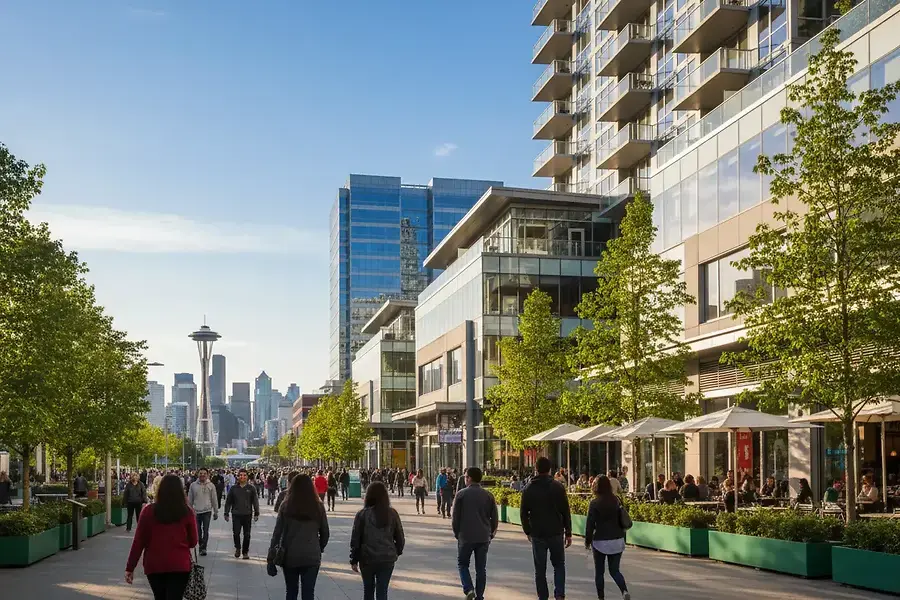
The Rise of Mixed-Use Commercial Development in Seattle
Seattle's commercial real estate landscape is undergoing a significant transformation, driven by the growing popularity of mixed-use developments. These innovative properties combine residential, retail, office, and entertainment spaces under one roof, creating vibrant communities that attract businesses, residents, and visitors alike. For investors seeking diversified revenue streams and long-term growth potential, mixed-use commercial properties represent a compelling opportunity in the Pacific Northwest's dynamic market.
The shift toward mixed-use development reflects changing consumer preferences and evolving workplace dynamics. As remote work becomes increasingly common, businesses and residents alike are seeking environments that offer convenience, walkability, and access to amenities. Seattle's progressive urban planning policies and strong economic fundamentals have positioned the city as a leader in this real estate evolution.
Understanding Mixed-Use Properties: Definition, Benefits, and Market Demand
What Are Mixed-Use Properties?
Mixed-use properties integrate multiple functional components—typically combining residential units, retail spaces, office areas, and entertainment venues—within a single development or building complex. This integration creates self-contained communities where residents and workers can live, shop, dine, and conduct business without leaving the property.
Key Benefits for Investors
Mixed-use developments offer several compelling advantages for savvy investors:
- Diversified Revenue Streams: Multiple tenant types and uses generate income from various sources, reducing dependency on any single market segment.
- Risk Mitigation: If one sector experiences a downturn, other revenue sources help stabilize overall returns.
- Higher Occupancy Rates: The convenience factor attracts tenants and residents, typically resulting in stronger occupancy percentages.
- Premium Pricing: Mixed-use properties command higher rents and sale prices due to their unique value proposition.
- Long-Term Appreciation: These developments tend to appreciate faster than single-use properties as neighborhoods become more desirable.
Market Demand in Seattle
Seattle's market demonstrates strong demand for mixed-use properties. The city's growing population, tech-driven economy, and emphasis on sustainable urban development create ideal conditions for these investments. Millennials and Gen Z professionals, who prioritize walkability and convenience, are particularly drawn to mixed-use neighborhoods. Additionally, businesses recognize the talent attraction benefits of locating in vibrant, mixed-use districts.
Key Neighborhoods and Mixed-Use Projects Driving Seattle's Commercial Growth
Capitol Hill and Fremont
These established neighborhoods continue to lead Seattle's mixed-use development scene. Capitol Hill's dynamic cultural scene and Fremont's creative community have attracted significant investment in mixed-use projects that blend residential, retail, and office spaces. These areas demonstrate how mixed-use development can enhance neighborhood character while generating strong returns.
South Lake Union
Once an industrial area, South Lake Union has transformed into a thriving mixed-use hub anchored by major tech companies and complemented by residential towers, restaurants, and retail establishments. This neighborhood exemplifies how strategic mixed-use development can revitalize underutilized areas and create significant property value appreciation.
Ballard and Green Lake
These neighborhoods are experiencing accelerated mixed-use development, with new projects combining residential units, ground-floor retail, and office spaces. Their proximity to employment centers, combined with strong community appeal, makes them attractive for investors seeking emerging opportunities with growth potential.
Downtown Seattle
The downtown core continues to evolve with mixed-use projects that address changing workplace needs. Modern developments feature flexible office spaces, residential units, and vibrant street-level retail, creating dynamic urban environments that appeal to both businesses and residents.
Emerging Neighborhoods
Areas like Beacon Hill, Wallingford, and University District are attracting increased mixed-use investment as developers recognize their potential. These neighborhoods offer more affordable entry points while still benefiting from Seattle's strong economic fundamentals and population growth.
Investment Considerations and Market Outlook
Factors Driving Investment Success
Successful mixed-use investments in Seattle share common characteristics: strategic location near transit hubs, strong neighborhood fundamentals, quality property management, and responsive tenant mix that adapts to market demands. Properties that prioritize sustainability and community engagement tend to outperform their peers.
Market Trends to Watch
Several trends are shaping Seattle's mixed-use market:
- Increased focus on sustainability and green building practices that appeal to environmentally conscious tenants
- Growing demand for flexible office spaces that accommodate hybrid work arrangements
- Expansion of experiential retail and entertainment venues that create destination appeal
- Integration of community spaces and public amenities that enhance neighborhood livability
- Rising interest in adaptive reuse projects that convert historic buildings into mixed-use developments
Positioning Your Portfolio for Success in Seattle's Evolving Market
For investors considering mixed-use commercial properties in Seattle, success requires a strategic approach. Conduct thorough market research to identify neighborhoods with strong growth fundamentals and demographic trends supporting mixed-use development. Evaluate property management capabilities carefully, as effective management is crucial for maximizing returns across multiple tenant types.
Consider the long-term vision for each property and neighborhood. Mixed-use investments typically reward patient capital that can weather short-term market fluctuations while capturing long-term appreciation. Diversify within your mixed-use portfolio by investing across different neighborhoods and property types to spread risk effectively.
Partner with experienced professionals who understand Seattle's unique market dynamics, zoning regulations, and development landscape. Local expertise proves invaluable when navigating the complexities of mixed-use development and identifying emerging opportunities before they become widely recognized.
Seattle's mixed-use commercial properties represent a compelling investment opportunity for those seeking exposure to the Pacific Northwest's dynamic real estate market. By understanding the benefits of mixed-use development, identifying key growth neighborhoods, and adopting a strategic investment approach, investors can position their portfolios for sustained success in Seattle's evolving commercial landscape. The convergence of strong economic fundamentals, changing consumer preferences, and progressive urban planning creates an ideal environment for mixed-use investments to thrive.