Selling Your Boston Home: A Strategic Guide to Pricing and Marketing
Master the local market dynamics to maximize your home's sale price and attract serious buyers in today's competitive Boston real estate landscape.

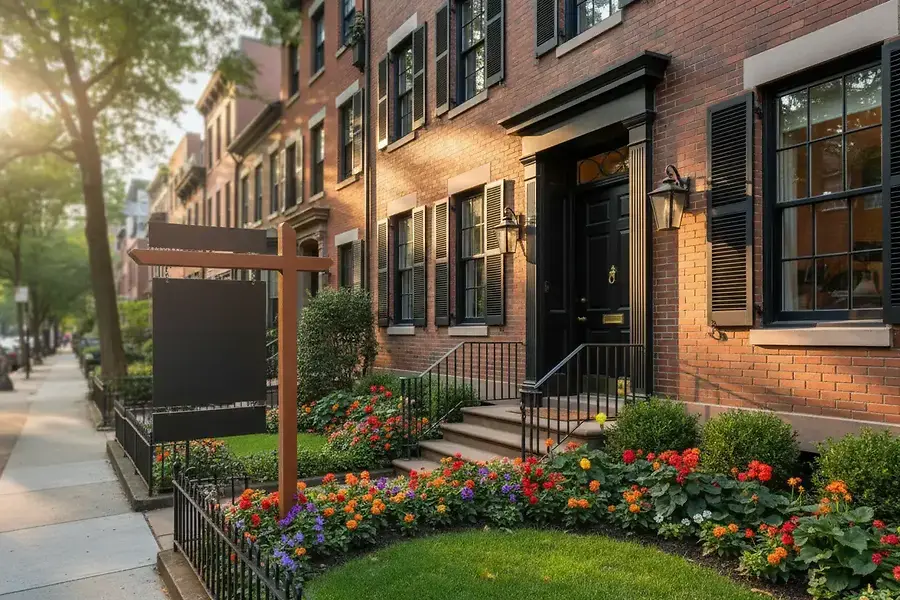
Understanding Boston's Current Real Estate Market Conditions
The Boston real estate market remains one of the most dynamic and competitive in the nation. Before listing your home, it's essential to understand the current landscape and how it affects your selling strategy. The market is characterized by strong demand from both local buyers and those relocating to the area for employment opportunities in technology, healthcare, and finance.
Boston's neighborhoods each have distinct market dynamics. Properties in areas like Back Bay, Beacon Hill, and Cambridge command premium prices due to their historical significance and proximity to major employment centers. Meanwhile, emerging neighborhoods offer excellent value for first-time buyers and investors. Research your specific neighborhood's trends, average days on market, and price appreciation rates to position your home effectively.
Key Market Indicators to Monitor
Understanding inventory levels is crucial. When inventory is low, sellers have significant leverage. Conversely, higher inventory means you'll need to differentiate your property. Track the average price per square foot in your neighborhood, as this metric helps establish realistic expectations and competitive pricing strategies.
- Median home prices in your specific neighborhood
- Days on market for comparable properties
- Inventory levels and absorption rates
- Buyer demographics and preferences in your area
Preparing Your Home for Maximum Appeal and Showings
First impressions matter tremendously in real estate. A well-prepared home can command a higher price and sell faster. Begin with curb appeal—your home's exterior is the first thing potential buyers see. Ensure landscaping is neat, the front door is welcoming, and any exterior maintenance issues are addressed.
Interior Preparation Essentials
Inside, focus on cleanliness, neutral décor, and strategic staging. Remove personal items like family photos and bold artwork that might distract buyers from envisioning themselves in the space. Declutter each room to make spaces appear larger and more functional.
- Deep clean all areas, including often-overlooked spaces like baseboards and light fixtures
- Repair minor issues such as leaky faucets, cracked tiles, or scuffed paint
- Enhance lighting by opening curtains and adding additional lamps to create warmth
- Stage key rooms like the master bedroom and kitchen to showcase potential
- Neutralize odors and consider subtle, pleasant scents like fresh coffee or baked goods during showings
Making Necessary Repairs and Upgrades
Address any major structural or mechanical issues before listing. A home inspection will reveal problems that buyers will discover anyway—it's better to fix them proactively. Focus on high-impact upgrades that offer good return on investment, such as kitchen updates, bathroom renovations, and fresh paint in neutral colors.
A well-maintained home not only attracts more buyers but also justifies a higher asking price and reduces negotiation friction during the sales process.
Setting the Right Price Based on Comparable Properties
Pricing is perhaps the most critical decision in selling your home. Too high, and you'll struggle to attract buyers; too low, and you'll leave money on the table. The key is finding the sweet spot based on thorough market analysis.
Conducting a Comparative Market Analysis
Work with your real estate agent to analyze recently sold properties (comparables or "comps") in your neighborhood. Focus on homes similar in size, condition, age, and location that sold within the last three to six months. This data provides the most accurate pricing foundation.
- Identify 5-10 comparable properties that are truly similar to yours
- Adjust for differences such as square footage, lot size, and condition
- Consider market trends and whether prices are appreciating or declining
- Factor in seasonal variations that affect Boston's market
Pricing Strategies for Different Market Conditions
In a seller's market with low inventory, you can price closer to your home's maximum value. In a buyer's market with high inventory, competitive pricing becomes essential. Some sellers use aggressive pricing to generate multiple offers and bidding wars, while others prefer a measured approach that attracts serious buyers from day one.
Consider working with an experienced Boston real estate agent who understands local market nuances and can provide data-driven pricing recommendations tailored to your specific situation.
Marketing Strategies to Reach Qualified Buyers
Effective marketing ensures your home reaches the right audience. In today's digital-first world, online presence is paramount, but traditional marketing methods still play an important role.
Digital Marketing and Online Presence
Most home searches begin online. Ensure your listing appears on all major platforms including MLS, Zillow, Redfin, and Realtor.com. Professional photography and videography are non-negotiable—invest in high-quality images and virtual tours that showcase your home's best features.
- Professional photography with proper lighting and composition
- Virtual tours and 3D walkthroughs to give remote buyers a complete view
- Drone photography to highlight lot size and neighborhood context
- Targeted social media advertising to reach specific buyer demographics
- Email marketing campaigns to your agent's database of qualified buyers
Traditional Marketing and Open Houses
Don't overlook traditional methods. Yard signs, direct mail, and open houses still generate qualified leads. Open houses create urgency and allow potential buyers to experience your home in person. Schedule them strategically during peak times when foot traffic is highest.
Building Buyer Confidence
Provide comprehensive documentation including recent inspections, permits for renovations, and maintenance records. This transparency builds trust and reduces buyer hesitation. Consider offering a home warranty to further reassure buyers about the property's condition.
Highlight unique features and the lifestyle your neighborhood offers. Whether it's proximity to public transportation, excellent schools, vibrant dining scenes, or green spaces, help buyers understand why your home and location are worth the investment.
Timing Your Marketing Efforts
Launch your marketing campaign before listing day to build anticipation. Create a buzz through pre-listing social media posts, agent previews, and exclusive showings to your agent's network. This momentum can lead to strong interest and multiple offers immediately upon listing.
Remember: Selling your Boston home successfully requires a combination of market knowledge, property preparation, strategic pricing, and targeted marketing. By mastering these elements, you'll position yourself to achieve the best possible outcome in today's competitive real estate landscape.


