Selling Your Cheshire Home: Pricing Strategies for Maximum Profit
Learn proven pricing techniques that help Cheshire homeowners attract serious buyers and close faster.

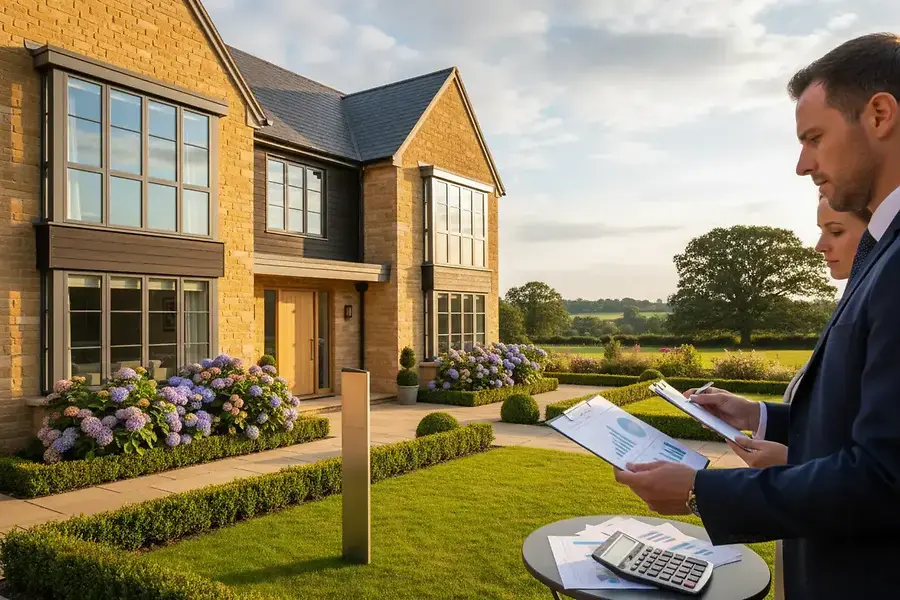
Understanding the Cheshire Real Estate Market: Current Trends and Buyer Expectations
The Cheshire property market remains one of the most desirable in the North West, attracting buyers seeking a blend of suburban charm and urban convenience. To price your home effectively, you must first understand the current market dynamics and what buyers are actively seeking.
Cheshire's real estate landscape is characterized by strong demand for period properties, modern family homes, and properties with substantial gardens. Buyers in this region typically prioritize location, school catchment areas, and proximity to transport links. Understanding these preferences is crucial when determining your asking price.
Key Market Indicators
Several factors influence property values in Cheshire:
- Location within Cheshire: Properties in sought-after areas like Wilmslow, Alderley Edge, and Knutsford command premium prices compared to other parts of the region.
- Property condition: Well-maintained homes with modern updates attract higher valuations and faster sales.
- Market sentiment: Current buyer confidence and mortgage availability directly impact pricing power.
- Seasonal trends: Spring and early summer typically see increased buyer activity and higher selling prices.
By staying informed about these indicators, you position yourself to make data-driven pricing decisions that reflect true market value.
Comparative Market Analysis: How to Price Your Home Competitively
A Comparative Market Analysis (CMA) is your most powerful tool for determining an accurate asking price. This involves researching similar properties that have recently sold in your area.
Conducting Your CMA
Start by identifying comparable properties—homes similar in size, condition, age, and location to yours. Look for properties that sold within the last three to six months, as older sales data becomes less relevant in a changing market.
Key factors to compare include:
- Square footage and number of bedrooms and bathrooms
- Property condition and recent renovations
- Garden size and outdoor features
- Proximity to schools, transport, and amenities
- Unique selling points or special features
Analyzing the Data
Once you've gathered information on comparable sales, calculate the average price per square foot in your area. This metric helps normalize differences between properties and provides a benchmark for your home's value.
Pro Tip: Don't rely solely on online estimates. Work with a local estate agent who has access to comprehensive market data and understands micro-market variations within Cheshire.
If your home has superior features—such as a recently renovated kitchen, energy-efficient systems, or an exceptional garden—you may justify pricing above the average. Conversely, properties requiring significant work should be priced accordingly to attract investors or buyers willing to undertake renovations.
Strategic Pricing Adjustments: When and How to Maximize Your Return
Setting the initial asking price is just the beginning. Strategic pricing adjustments throughout the selling process can significantly impact your final sale price and time on market.
The Psychology of Pricing
Research shows that homes priced slightly below round numbers—such as £449,950 instead of £450,000—generate more buyer interest and viewings. This psychological pricing strategy can lead to more competitive offers and ultimately higher sale prices.
Timing Your Price Adjustments
If your property doesn't attract sufficient interest within the first two to three weeks, consider a strategic price reduction. A well-timed reduction can reignite buyer interest and signal that you're serious about selling. However, avoid dropping the price too aggressively, as this may suggest the property is overpriced or problematic.
Best practices for price adjustments:
- Reduce by 3-5% if the property isn't generating viewings
- Monitor competitor listings and adjust if similar homes are selling at lower prices
- Consider the season—winter may require more aggressive pricing to attract buyers
- Highlight any improvements or new information that justifies maintaining your price
Adding Value Without Dropping Price
Before reducing your asking price, explore alternative strategies to increase perceived value:
- Professional staging: Present your home in its best light to justify your asking price.
- Enhanced marketing: Professional photography and virtual tours can attract more serious buyers.
- Flexible terms: Offering a longer completion period or including fixtures and fittings can appeal to buyers without reducing your price.
- Home improvements: Strategic updates to kitchens, bathrooms, or curb appeal can justify premium pricing.
Negotiation Strategy
Price your home to allow room for negotiation. Most buyers expect to negotiate, and pricing 5-10% above your target sale price provides flexibility. This approach often results in a higher final sale price than pricing aggressively low from the start.
When you receive offers, evaluate them holistically. A slightly lower offer with fewer contingencies and a faster closing timeline may be preferable to a higher offer with complications.
Conclusion: Positioning Your Cheshire Property for Success
Selling your Cheshire home successfully requires a combination of market knowledge, data-driven analysis, and strategic decision-making. By understanding current market trends, conducting thorough comparative analysis, and making informed pricing adjustments, you maximize your chances of attracting serious buyers and achieving your desired sale price.
Remember that pricing is not a one-time decision but an ongoing strategy. Stay flexible, monitor market conditions, and be prepared to adjust your approach based on buyer feedback and market response. Working with an experienced local estate agent who understands the nuances of the Cheshire market can provide invaluable guidance throughout the selling process.
With the right pricing strategy in place, your Cheshire property will be positioned to attract qualified buyers, generate competitive offers, and close faster—ultimately maximizing your profit and ensuring a successful sale.