Selling Your Chesterfield Home: Pricing Strategies for Maximum Return
Learn proven pricing techniques that help Chesterfield sellers attract serious buyers and achieve their best possible sale price.

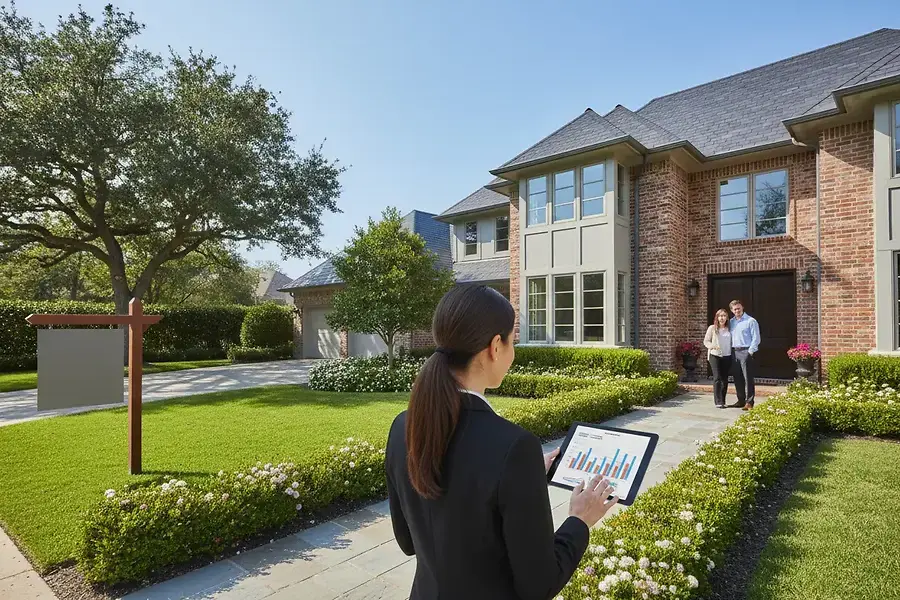
Understanding Chesterfield's Current Market Conditions and Comparable Sales Data
Before listing your Chesterfield home, it's crucial to understand the local real estate landscape. The Chesterfield market has shown steady growth with diverse neighborhoods offering varying price points and property types. Successful sellers begin by analyzing comparable sales—homes similar in size, condition, and location that have sold recently.
To gather accurate comparable sales data, consider these essential steps:
- Review recent sales of similar properties within a one-mile radius of your home
- Compare homes with similar square footage, age, and condition
- Analyze the average days on market for comparable properties
- Track price reductions and final sale prices versus original listings
- Consult with local real estate professionals who understand neighborhood trends
Market conditions in Chesterfield vary by neighborhood and season. Understanding whether you're in a buyer's or seller's market will directly influence your pricing strategy. In a seller's market, homes move quickly and may command premium prices. In a buyer's market, competitive pricing becomes essential to attract interest and generate offers.
Key Pricing Strategies: From Competitive Analysis to Psychological Pricing Tactics
Competitive Market Analysis
Competitive pricing remains the foundation of any successful sale. Rather than pricing based on what you believe your home is worth, price based on what buyers are willing to pay. This data-driven approach significantly increases your chances of receiving multiple offers and achieving your target sale price.
Analyze your competition by identifying homes currently on the market that are similar to yours. Note their asking prices, how long they've been listed, and any price adjustments they've made. This competitive landscape provides valuable insight into realistic pricing expectations.
The Strategic Price Point Approach
Consider pricing your home slightly below the highest comparable sale price in your area. This strategy often generates more buyer interest and can lead to competitive bidding, ultimately driving your final sale price higher. A home priced at $449,900 may attract significantly more attention than one priced at $450,000, despite the minimal difference.
Psychological Pricing Tactics
Psychological pricing leverages how buyers perceive value. Key tactics include:
- Charm pricing: Ending prices in 9 or 5 ($299,900 vs. $300,000) creates the perception of a better deal
- Anchoring: Starting with a slightly higher price point establishes perceived value before adjusting
- Price clustering: Positioning your home within the most active price range for your neighborhood
- Prestige pricing: For luxury properties, round numbers may convey exclusivity and quality
Value-Based Pricing
Beyond comparable sales, consider your home's unique features and improvements. Recent renovations, energy-efficient upgrades, smart home technology, and premium finishes justify higher pricing. Document all improvements and their costs—buyers appreciate transparency about what they're investing in.
Pro Tip: Homes with recent kitchen or bathroom updates, energy-efficient systems, and curb appeal typically command 3-5% higher prices than comparable homes without these features.
Timing Your Sale and Adjusting Price for Market Conditions
Seasonal Market Dynamics
Chesterfield's real estate market experiences seasonal fluctuations. Spring and early summer typically see increased buyer activity, allowing sellers to maintain or even increase prices. Fall and winter markets tend to be slower, requiring more competitive pricing to attract serious buyers. However, less competition during slower seasons can sometimes work in your favor if your home is well-positioned.
Price Adjustment Strategies
If your home doesn't generate expected interest within the first two weeks, consider a strategic price reduction. Small, incremental adjustments (typically 2-3%) often prove more effective than dramatic cuts. A $10,000 reduction on a $400,000 home signals responsiveness to market feedback without appearing desperate.
Monitor your home's performance metrics:
- Number of showings per week
- Buyer feedback and common objections
- Days on market compared to similar properties
- Competing listings and their pricing changes
Market Condition Flexibility
Successful sellers remain flexible and responsive. If market conditions shift—perhaps new comparable sales emerge or competing inventory increases—be prepared to adjust your strategy. Working with an experienced real estate agent who provides regular market updates ensures you're making informed decisions based on current data.
Conclusion: Positioning Your Chesterfield Home for Success
Selling your Chesterfield home for maximum return requires a strategic, data-driven approach to pricing. By thoroughly understanding your local market, analyzing comparable sales, and implementing proven pricing strategies, you position yourself for success.
Remember that price is just one element of a successful sale. Combine competitive pricing with excellent curb appeal, professional photography, strategic marketing, and responsive communication with potential buyers. The homes that sell fastest and for the highest prices are those that are priced right, presented well, and marketed effectively.
Take time to gather comprehensive market data, consult with local real estate professionals, and develop a pricing strategy tailored to your specific situation. With the right approach, you'll attract serious buyers, generate competitive offers, and achieve your best possible sale price in the Chesterfield market.


