Selling Your Chesterton Home: Timing, Pricing & Market Strategy
Master the key steps to maximize your home's value and attract serious buyers in today's competitive Chesterton market.

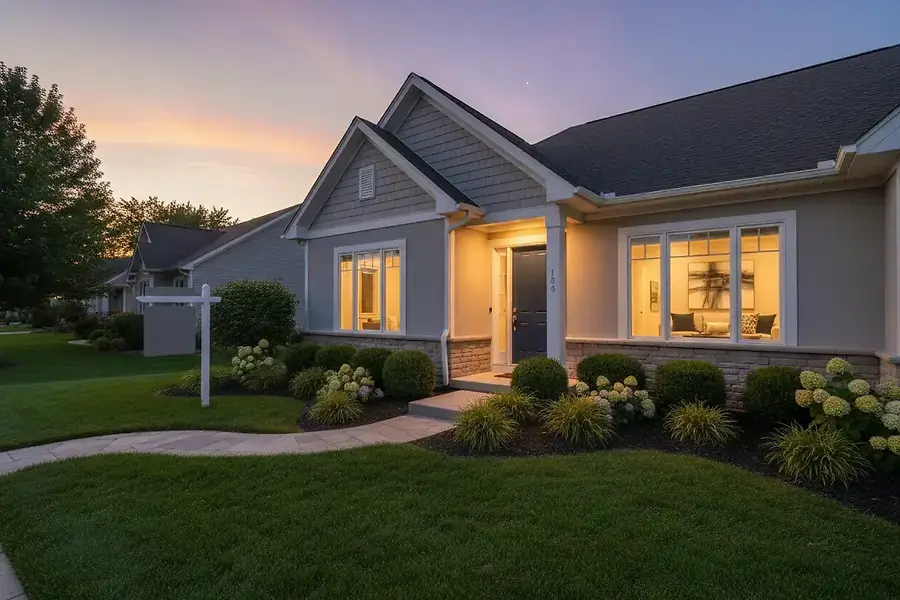
Understanding the Current Chesterton Real Estate Market Dynamics
The Chesterton real estate market is experiencing significant momentum, with buyers actively seeking quality homes in this desirable neighborhood. Understanding the current market conditions is the first critical step toward a successful sale. The market is characterized by steady demand, competitive pricing, and a diverse buyer base ranging from first-time homeowners to seasoned investors.
Before listing your property, take time to research recent sales in your area. Look at comparable homes that have sold in the last 30-60 days, paying close attention to their selling prices, days on market, and condition. This data will provide invaluable insights into what buyers are willing to pay and what features command premium prices.
Key Market Indicators to Monitor
- Inventory Levels: A balanced market typically favors sellers, while low inventory can drive prices higher
- Average Days on Market: Shorter timelines indicate strong buyer demand
- Price Trends: Track whether prices are appreciating or depreciating in your specific area
- Buyer Demographics: Understanding who's buying helps you market your home effectively
The Chesterton market rewards sellers who act strategically and understand their local competition. Properties that align with current buyer preferences tend to sell faster and at higher prices.
Strategic Pricing: How to Position Your Home Competitively
Pricing is arguably the most important decision you'll make when selling your home. Price too high, and you'll struggle to attract buyers; price too low, and you'll leave money on the table. The key is finding that sweet spot that reflects your home's true market value.
Determining Your Home's Market Value
Work with a qualified real estate agent who has deep knowledge of the Chesterton market. They should provide a comprehensive Comparative Market Analysis (CMA) that examines similar properties, their selling prices, and market conditions. This analysis should account for your home's unique features, condition, location, and recent upgrades.
Consider these pricing strategies:
- Competitive Market Pricing: Price at or slightly below market value to generate immediate interest and multiple offers
- Premium Pricing: If your home has exceptional features or upgrades, justify a higher price with documentation and professional staging
- Strategic Underpricing: In some cases, pricing slightly below comparable homes can trigger bidding wars and result in higher final sale prices
Avoiding Common Pricing Mistakes
Don't let emotional attachment to your home cloud your pricing judgment. Your home's worth is determined by what buyers will pay, not what you paid for it or what you believe it should be worth. Additionally, avoid pricing based solely on your mortgage balance or desired profit margin—these factors are irrelevant to the market.
"The right price at the right time attracts serious buyers and generates momentum. Overpriced homes languish on the market, while underpriced homes leave money on the table. Strategic pricing is the foundation of a successful sale."
Preparation and Presentation: Making Your Home Irresistible to Buyers
First impressions matter tremendously in real estate. Buyers often make snap judgments within the first few seconds of viewing a property. Investing time and resources into preparation and presentation can dramatically impact your home's appeal and final sale price.
Curb Appeal: Your Home's First Handshake
The exterior of your home is the first thing buyers see. Enhance curb appeal by:
- Maintaining a well-manicured lawn and landscaping
- Painting the front door a welcoming color
- Ensuring the entryway is clean and inviting
- Updating house numbers and lighting fixtures
- Pressure washing the driveway and walkways
Interior Staging and Presentation
Professional staging can increase your home's perceived value and help buyers envision themselves living there. Focus on decluttering, depersonalizing, and highlighting your home's best features. Remove family photos, excessive decorations, and personal items that might distract buyers.
Pay special attention to:
- Kitchen and Bathrooms: These rooms significantly influence buying decisions. Ensure they're spotless and modern-looking
- Lighting: Bright, well-lit spaces feel larger and more inviting
- Neutral Colors: Paint walls in neutral tones to appeal to a broader audience
- Flooring: Clean, well-maintained floors make an excellent impression
Documentation and Transparency
Prepare all necessary documentation including inspection reports, warranty information, and disclosure statements. Transparency builds trust with buyers and can prevent complications during negotiations. If your home has recently undergone repairs or upgrades, document these improvements with receipts and photos.
Closing the Deal: Negotiation Tips and Final Steps to Success
Once you've attracted interested buyers, the negotiation phase begins. This is where skilled communication and strategic thinking can significantly impact your bottom line.
Understanding Buyer Offers
When you receive an offer, carefully review all terms—not just the price. Consider the proposed closing timeline, contingencies, earnest money deposit, and any requested repairs or concessions. Sometimes a slightly lower offer with fewer contingencies is more attractive than a higher offer with complications.
Negotiation Strategies
- Don't Accept the First Offer: Even if it seems reasonable, there's often room for negotiation
- Respond Strategically: Use counteroffers to guide negotiations toward your desired outcome
- Know Your Walk-Away Point: Establish your minimum acceptable price and terms before negotiations begin
- Stay Emotionally Detached: View negotiations as a business transaction, not a personal matter
Final Steps to Closing
Once you've accepted an offer, the closing process begins. Work closely with your real estate agent and attorney to ensure all paperwork is completed accurately and on time. Coordinate inspections, appraisals, and final walkthroughs. Address any issues that arise promptly to keep the transaction on track.
In the final days before closing, prepare your home for the buyer's final walkthrough. Ensure the property is clean, all agreed-upon repairs are completed, and you've removed your personal belongings. A smooth closing experience leaves both parties satisfied and protects your reputation in the community.
Moving Forward
Selling your Chesterton home successfully requires careful planning, strategic pricing, excellent presentation, and skilled negotiation. By following these steps and working with experienced professionals, you'll maximize your home's value and achieve a successful sale. Remember, the real estate market rewards preparation and strategic thinking—invest in both, and your results will reflect that effort.


