Selling Your Clarksville Home: Timing, Pricing & Market Strategies
Master the essential steps to maximize your home's value and attract serious buyers in today's Clarksville real estate market.

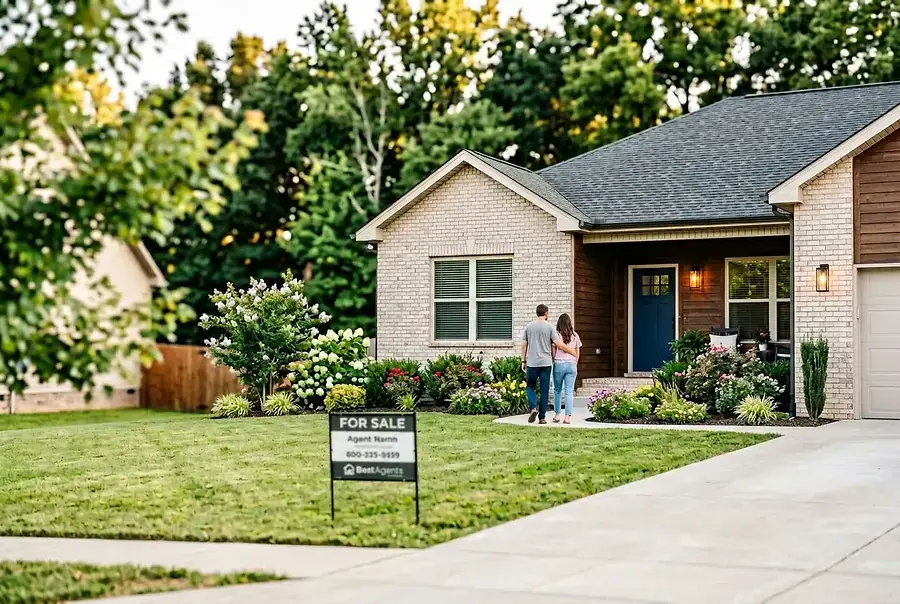
Understanding Clarksville's Current Real Estate Market Conditions
The Clarksville real estate market is experiencing dynamic shifts that present both opportunities and challenges for home sellers. Before listing your property, it's crucial to understand the current market landscape and how it affects your selling strategy.
Market Trends and Buyer Demand
Clarksville's real estate market has shown resilience with steady buyer interest driven by the area's growing population and economic development. The market features a healthy mix of first-time homebuyers, families relocating for employment, and investors seeking rental properties. Understanding these buyer demographics helps you position your home effectively.
Key market indicators to monitor include:
- Average days on market for comparable properties
- Recent sales prices and price trends
- Inventory levels and supply-demand balance
- Seasonal fluctuations in buyer activity
Competitive Analysis
Research comparable homes in your neighborhood that have sold recently. This data provides valuable insights into realistic pricing expectations and helps identify what features buyers value most. Work with a local real estate agent who has access to comprehensive market data and can provide accurate comparative market analysis.
Preparing Your Home for Sale: Inspection, Repairs & Curb Appeal
First impressions matter tremendously in real estate. A well-prepared home attracts more serious buyers and commands better prices. Invest time and resources in getting your property sale-ready before listing.
Professional Home Inspection
Schedule a professional home inspection before listing. This proactive approach identifies potential issues that buyers will discover anyway, allowing you to address them on your terms. Common issues include roof condition, HVAC systems, plumbing, electrical systems, and foundation concerns. Addressing these problems upfront builds buyer confidence and prevents deal-killing surprises during negotiations.
Essential Repairs and Maintenance
Prioritize repairs that impact safety and functionality. Focus on:
- Roof repairs and gutter maintenance
- HVAC system servicing and repairs
- Plumbing and electrical issues
- Structural concerns
- Broken windows and doors
- Interior paint touch-ups and wall repairs
You don't need to renovate completely, but maintaining your home in good working condition is essential. Small repairs demonstrate that you've cared for the property, which reassures buyers about its overall condition.
Curb Appeal and First Impressions
Your home's exterior is the first thing potential buyers see. Enhance curb appeal by:
- Landscaping and lawn maintenance
- Fresh exterior paint or power washing
- Updated front door and hardware
- Attractive lighting and house numbers
- Clean driveway and walkways
- Seasonal decorations and potted plants
Interior staging is equally important. Declutter spaces, neutralize décor, and arrange furniture to highlight room functionality. Clean, bright, and spacious-feeling homes photograph better and appeal to a wider audience.
Strategic Pricing and Marketing Your Property Effectively
Pricing your home correctly is one of the most critical decisions you'll make. Overpricing leads to extended market time and reduced buyer interest, while underpricing leaves money on the table.
Determining the Right Price
Work with your real estate agent to conduct a thorough comparative market analysis. This analysis examines recently sold properties with similar characteristics, current active listings, and properties that didn't sell. Your agent should provide data on price per square foot, days on market, and price reductions to establish a competitive asking price.
Consider these pricing factors:
- Property condition and age
- Location and neighborhood desirability
- Square footage and lot size
- Special features and upgrades
- Market conditions and inventory levels
Effective Marketing Strategies
In today's digital-first market, comprehensive marketing is essential. Your listing should include:
- Professional photography showcasing your home's best features
- Virtual tours allowing remote viewing
- Detailed descriptions highlighting key selling points
- Online presence across major real estate platforms
- Social media promotion reaching broader audiences
- Open houses generating buyer traffic and interest
Your real estate agent should have a robust marketing plan that goes beyond basic listing services. Ask about their specific strategies for promoting your property and reaching qualified buyers.
Navigating the Offer Process and Closing Successfully
Once offers start arriving, the negotiation phase begins. Understanding this process helps you make informed decisions that protect your interests.
Evaluating Offers
Don't focus solely on the offered price. Consider the complete offer package including:
- Earnest money deposit amount
- Proposed closing timeline
- Contingencies (inspection, appraisal, financing)
- Buyer's financial pre-approval status
- Requested seller concessions
A lower offer with fewer contingencies and a quick closing might be more attractive than a higher offer with multiple conditions. Your agent can help you evaluate offers objectively and recommend the strongest candidates.
Negotiation Strategies
Be prepared to negotiate on price, closing costs, repairs, and timeline. Maintain flexibility while protecting your bottom line. Understand your walk-away point before negotiations begin. Your real estate agent should advocate for your interests while keeping negotiations professional and productive.
Closing Process
Once you've accepted an offer, the closing process typically takes 30-45 days. During this period:
- The buyer obtains financing and completes inspections
- Title search and insurance are arranged
- Final walkthrough occurs before closing
- Closing documents are prepared and reviewed
- Funds are transferred and deed is recorded
Stay in communication with your real estate agent and closing attorney throughout this process. Address any issues promptly to keep the transaction on track. Review all closing documents carefully before signing to ensure accuracy.
Final Preparations
As closing approaches, prepare for your move. Coordinate utility disconnections, arrange for final inspections, and plan your moving timeline. Ensure the property is clean and in the agreed-upon condition at closing.
Selling your Clarksville home successfully requires preparation, strategic pricing, effective marketing, and careful negotiation. By following these essential steps and working with experienced professionals, you'll maximize your home's value and achieve a smooth, successful sale.


