Selling Your Colorado Springs Home: Pricing Strategies That Work
Learn proven pricing techniques to attract serious buyers and maximize your home's value in today's competitive Colorado Springs market.

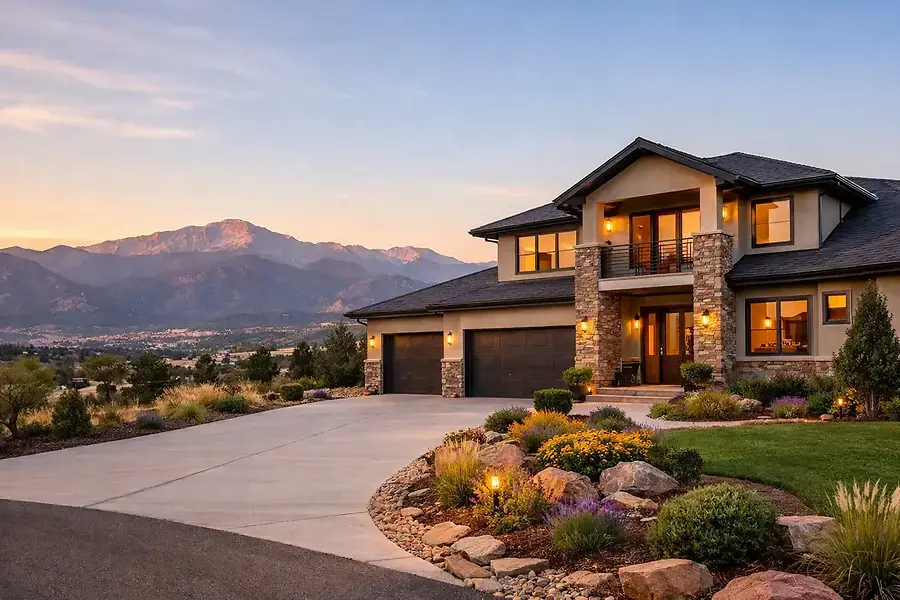
Understanding the Colorado Springs Market Landscape
The Colorado Springs real estate market is dynamic and ever-evolving, with unique characteristics that set it apart from other regions. Before you list your home, it's essential to understand the current market conditions, inventory levels, and buyer demographics in your area.
Market Trends and Conditions
Colorado Springs has experienced steady growth over recent years, attracting both local buyers and relocating professionals. The market is influenced by factors such as military presence, job growth in tech and aerospace industries, and the region's natural beauty. Understanding whether you're in a buyer's or seller's market will significantly impact your pricing strategy.
Research recent sales data in your neighborhood, including:
- Average days on market for similar properties
- Price-to-list ratios and negotiation patterns
- Seasonal trends and buyer activity
- Inventory levels and competition
Comparable Market Analysis (CMA)
A thorough Comparable Market Analysis is your foundation for pricing success. Work with a knowledgeable real estate agent to identify homes similar to yours that have sold recently. Consider factors like square footage, age, condition, location, and special features when comparing properties.
Pro Tip: Homes that are priced within 5-10% of their true market value tend to sell faster and for better prices than those priced too high or too low.
Key Pricing Strategies for Your Home
The Competitive Pricing Approach
Pricing your home competitively doesn't mean undervaluing it. Instead, it means positioning your property at a price point that reflects current market conditions while remaining attractive to serious buyers. A competitive price generates more showings, more offers, and ultimately better results.
Consider these pricing strategies:
- Market-Based Pricing: Set your price based on recent comparable sales, not on what you paid or what you hope to get
- Psychological Pricing: Use price points like $449,900 instead of $450,000 to create perceived value
- Staged Pricing: Price slightly below market to generate multiple offers and bidding wars
- Premium Pricing: If your home has exceptional features, justify a higher price with documentation and professional staging
Avoiding Common Pricing Mistakes
Many sellers make critical errors when pricing their homes. The most common mistake is overpricing based on emotional attachment or renovation costs. Remember that buyers care about market value, not what you invested in upgrades.
Other pricing pitfalls to avoid include:
- Ignoring market conditions and trends
- Failing to account for necessary repairs or updates
- Comparing your home to properties in different neighborhoods
- Refusing to adjust price when the market indicates it's necessary
Strategic Price Adjustments
If your home isn't attracting offers after 2-3 weeks on the market, it's time to reassess your pricing strategy. A strategic price reduction can reignite buyer interest and generate new showings. Small reductions of $5,000-$10,000 are often more effective than waiting for a larger price cut later.
Marketing Your Property Effectively
Presentation and Curb Appeal
Your pricing strategy works best when paired with excellent marketing. First impressions matter tremendously in real estate. Invest in professional photography, virtual tours, and compelling descriptions that highlight your home's best features.
Enhance your home's appeal by:
- Maintaining pristine landscaping and exterior appearance
- Decluttering and depersonalizing interior spaces
- Making minor repairs and touch-ups
- Highlighting unique features and recent upgrades
Multi-Channel Marketing Strategy
In today's digital age, effective marketing extends beyond traditional methods. Utilize multiple channels to reach potential buyers, including online listing platforms, social media, email campaigns, and open houses. A well-coordinated marketing plan ensures your property reaches the right audience at the right time.
Targeting the Right Buyers
Understanding your target buyer helps you market more effectively. Are you selling to military families, young professionals, retirees, or families? Tailor your marketing messages and property highlights to appeal to your ideal buyer demographic.
Closing the Sale Successfully
Negotiation Strategies
Once offers start coming in, your pricing strategy transitions into negotiation. Be prepared to discuss your price with potential buyers and their agents. Understanding your home's true value and market conditions gives you confidence during negotiations.
Remember that price isn't the only negotiable element. Consider flexibility on:
- Closing timeline
- Included appliances or fixtures
- Inspection contingencies
- Seller concessions
Accepting the Right Offer
The highest offer isn't always the best offer. Consider the buyer's financial strength, contingencies, and timeline. A lower offer with fewer contingencies and a quick closing might be preferable to a higher offer with multiple conditions.
Final Steps to Success
As you move toward closing, maintain your home in excellent condition and stay responsive to buyer requests. Professional inspections, appraisals, and final walkthroughs are normal parts of the process. Your pricing strategy has done its job when you've attracted serious, qualified buyers ready to move forward.
Remember: Successful home selling combines smart pricing with excellent marketing, professional guidance, and strategic negotiation. Work closely with an experienced Colorado Springs real estate agent who understands your local market.


