Selling Your Commercial Property in Albuquerque: A Strategic Guide
Master the essential steps to maximize value and attract serious buyers in today's competitive market.

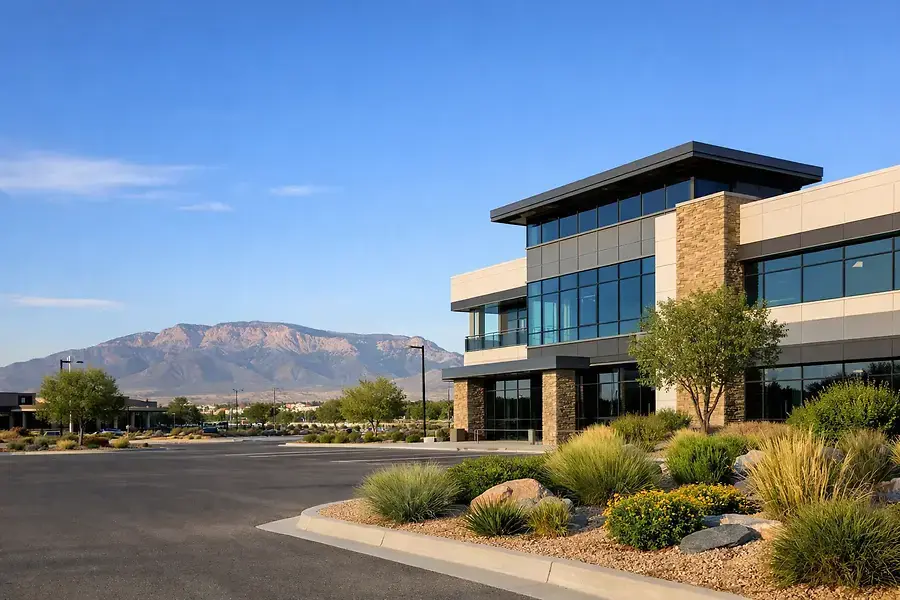
Understanding the Current Albuquerque Commercial Market
The Albuquerque commercial real estate market presents unique opportunities for property sellers. Before listing your commercial property, it's crucial to understand the current market dynamics, buyer preferences, and economic factors influencing the region.
Market Trends and Conditions
Albuquerque's commercial real estate sector has experienced steady growth, with increased demand for retail, office, and industrial spaces. The city's strategic location, growing population, and business-friendly environment make it an attractive destination for investors and entrepreneurs. Understanding these trends helps you position your property competitively.
Key factors to consider include:
- Supply and demand dynamics in your specific property category
- Average days on market for comparable properties
- Recent sales data and price trends
- Economic indicators affecting local business growth
- Zoning regulations and future development plans
Identifying Your Target Buyer
Different commercial properties attract different buyer profiles. Retail spaces appeal to business owners and franchisees, while office buildings attract corporate tenants and investors. Industrial properties interest logistics companies and manufacturers. Identifying your target buyer helps shape your marketing strategy and pricing approach.
Preparing Your Property for Sale: Inspections, Repairs, and Staging
First impressions matter significantly in commercial real estate. A well-maintained, professionally presented property commands higher prices and attracts serious buyers more quickly.
Comprehensive Property Inspections
Before listing, conduct thorough inspections to identify any issues that could deter buyers or reduce your property's value. Professional inspections should cover structural integrity, electrical systems, plumbing, HVAC, roofing, and any environmental concerns.
Essential inspection areas include:
- Building foundation and structural components
- Electrical and mechanical systems
- Roof condition and remaining lifespan
- Environmental assessments and compliance
- ADA accessibility requirements
- Fire safety and security systems
Strategic Repairs and Upgrades
Address critical repairs immediately. Focus on improvements that provide strong return on investment, such as updating HVAC systems, repainting, landscaping, and modernizing common areas. Avoid over-improving—buyers expect to make their own customizations.
Pro tip: Document all repairs and upgrades with receipts and photos. This transparency builds buyer confidence and justifies your asking price.
Professional Staging and Presentation
Commercial property staging differs from residential staging but is equally important. Clean, organized spaces with good lighting and minimal clutter help buyers envision their business operations. Consider professional photography and virtual tours to showcase your property's best features.
Pricing Strategy and Marketing Your Commercial Real Estate
Accurate pricing and effective marketing are critical to attracting qualified buyers and achieving your financial goals.
Determining the Right Price
Work with a commercial real estate appraiser to establish fair market value based on comparable sales, income potential, and market conditions. Overpricing leads to extended listing periods and reduced buyer interest, while underpricing leaves money on the table.
Pricing considerations include:
- Comparable property sales and current listings
- Property income and cash flow potential
- Location desirability and accessibility
- Building age, condition, and remaining useful life
- Tenant quality and lease terms (if applicable)
- Market absorption rates and economic outlook
Comprehensive Marketing Strategy
Effective marketing reaches qualified buyers through multiple channels. Develop a marketing plan that includes professional listings on commercial real estate platforms, targeted advertising, direct outreach to potential buyers, and networking with commercial brokers.
Marketing channels to leverage:
- Major commercial real estate listing services (CoStar, LoopNet, Zillow)
- Social media platforms and targeted digital advertising
- Direct mail campaigns to potential buyers and investors
- Broker networks and industry connections
- Property website with detailed information and virtual tours
- Local business publications and networking events
Creating Compelling Property Descriptions
Write detailed, benefit-focused descriptions highlighting your property's unique advantages. Include square footage, zoning, parking availability, tenant information, lease rates, and future development potential. Use professional language that appeals to your target buyer.
Closing the Deal: Legal Requirements and Next Steps
The closing process involves multiple legal and financial steps. Understanding these requirements ensures a smooth transaction and protects your interests.
Working with Professional Advisors
Engage experienced commercial real estate attorneys, accountants, and brokers early in the process. These professionals navigate complex legal requirements, tax implications, and contract negotiations, ultimately protecting your investment and maximizing your proceeds.
Due Diligence and Inspections
Expect serious buyers to conduct thorough due diligence, including property inspections, environmental assessments, title searches, and financial reviews. Cooperate fully with these processes to maintain buyer confidence and momentum toward closing.
Contract Negotiation and Terms
Commercial real estate contracts are more complex than residential agreements. Key terms to negotiate include purchase price, contingencies, inspection periods, financing requirements, closing timeline, and representations and warranties. Your attorney should review all contract language carefully.
Final Steps to Closing
As closing approaches, ensure all inspections are complete, financing is secured, title insurance is arranged, and all required documents are prepared. Coordinate with the buyer's lender, title company, and attorney to address any final issues and schedule the closing meeting.
Remember: Selling commercial property requires patience, preparation, and professional guidance. By following these strategic steps and working with experienced advisors, you'll maximize your property's value and achieve a successful sale in Albuquerque's dynamic commercial real estate market.


