Selling Your Dallas Home: Essential Steps for Maximum Profit
Master the proven strategies top Dallas real estate agents use to help homeowners achieve faster sales and better prices.

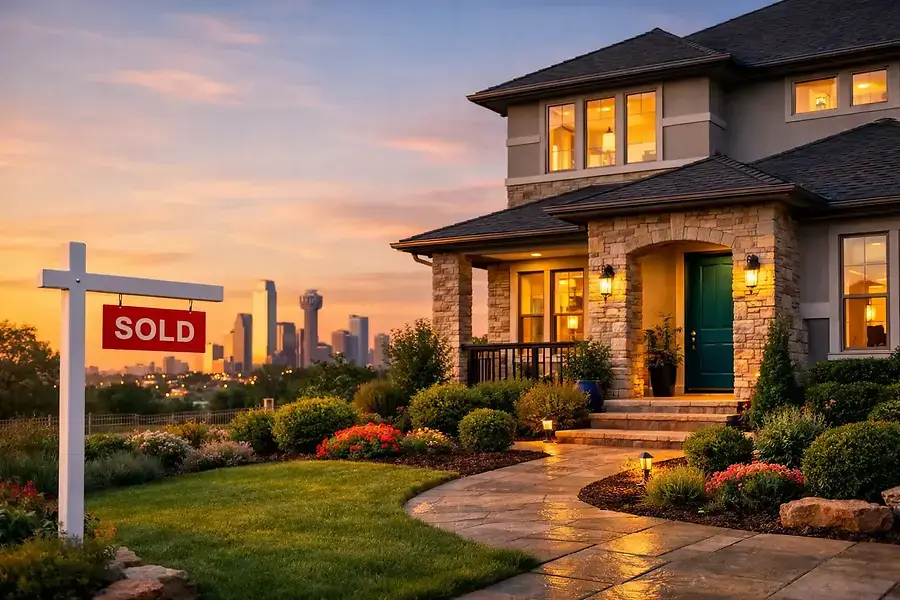
Understanding the Current Dallas Seller's Market
The Dallas real estate market presents unique opportunities for sellers willing to understand its dynamics. The city's continued population growth and economic expansion have created a competitive landscape where informed sellers gain significant advantages. Before listing your home, it's crucial to analyze local market conditions, recent sales data, and neighborhood trends.
Market Conditions and Timing
Dallas has experienced steady appreciation in property values, making it an excellent time for homeowners to capitalize on their investments. The market remains relatively balanced, with opportunities for sellers who price strategically and present their homes effectively. Understanding whether your neighborhood is appreciating faster than the city average can help you set realistic expectations and timelines.
Competitive Analysis
Research comparable properties in your area to understand what similar homes are selling for. Look at homes that sold within the last 90 days with similar square footage, condition, and amenities. This data forms the foundation for your pricing strategy and helps you identify what makes your property unique in the marketplace.
Preparing Your Home for Success: Staging and Inspections
First impressions matter tremendously in real estate. Homes that are properly staged and well-maintained consistently sell faster and for higher prices than those that aren't. Preparation is not just about aesthetics—it's about presenting your home in its best possible light to potential buyers.
Professional Home Staging
Consider hiring a professional stager to help arrange furniture, declutter spaces, and highlight your home's best features. Staging typically costs between $1,000 and $3,000 but often returns 5-10 times that investment through faster sales and higher offers. Key staging elements include:
- Curb Appeal: Enhance landscaping, paint the front door, and ensure the entrance is inviting
- Decluttering: Remove personal items and excess furniture to make spaces feel larger
- Neutral Colors: Repaint walls in neutral tones that appeal to broader audiences
- Lighting: Ensure all rooms are well-lit and welcoming
- Repairs: Fix minor issues like leaky faucets, squeaky doors, and cracked tiles
Pre-Sale Home Inspection
Conduct a professional home inspection before listing. This proactive approach identifies potential issues that buyers will discover anyway, allowing you to address them upfront or adjust your pricing accordingly. A pre-sale inspection demonstrates transparency and builds buyer confidence, often resulting in smoother negotiations and fewer contingencies.
Pricing Strategy and Marketing Your Property Effectively
Pricing is perhaps the most critical factor in selling your home quickly and profitably. Overpricing leads to extended listing times and reduced buyer interest, while underpricing leaves money on the table. Your pricing strategy should be data-driven and flexible.
Setting the Right Price
Work with your real estate agent to conduct a comprehensive comparative market analysis (CMA). This analysis examines recent sales, active listings, and expired listings to determine your home's optimal price point. Consider these factors:
- Recent comparable sales in your neighborhood
- Current market inventory levels
- Days on market for similar properties
- Your home's unique features and condition
- Current interest rates and buyer demand
Strategic Marketing Approach
Professional Photography and Videography: High-quality images and virtual tours are essential in today's digital-first market. Most buyers begin their search online, so professional photography can significantly impact click-through rates and showings.
Multi-Channel Marketing: Ensure your listing appears on major platforms including MLS, Zillow, Realtor.com, and social media. A comprehensive marketing strategy reaches more potential buyers and generates more offers.
Open Houses and Private Showings: Strategic open houses can generate buyer interest and create competitive situations that drive up offers. Private showings allow serious buyers to view your home without distractions.
Navigating Offers and Closing the Sale
Once offers start coming in, your negotiation skills become crucial. The goal is to maximize both price and favorable terms while maintaining a smooth path to closing.
Evaluating Multiple Offers
When you receive multiple offers, consider more than just the price. Evaluate the following:
- Offer Price: The proposed purchase price
- Earnest Money: The deposit amount showing buyer commitment
- Contingencies: Conditions that must be met for the sale to proceed
- Closing Timeline: How quickly the buyer needs to close
- Buyer Financing: Whether the buyer is pre-approved and financially qualified
- Inspection Period: The timeframe for the buyer's inspection
Negotiation Strategies
Don't automatically accept the highest offer. A lower offer with fewer contingencies and a faster closing timeline might be more valuable than a higher offer with multiple conditions. Your real estate agent should help you counter-offer strategically, maintaining leverage while moving toward agreement.
Closing Process
Once you've accepted an offer, the closing process typically takes 30-45 days. During this period, the buyer will conduct inspections, secure financing, and obtain title insurance. Stay in communication with your real estate agent and the title company to ensure all deadlines are met and any issues are resolved promptly.
Final Walkthrough: Just before closing, the buyer will conduct a final walkthrough to ensure the property is in the agreed-upon condition. Make sure your home is clean and all agreed-upon repairs are complete.
Closing Day
At closing, you'll sign final documents, receive your proceeds, and transfer ownership. Work with a qualified title company to ensure all paperwork is accurate and all funds are properly distributed. This is the final step in your selling journey—make sure everything is handled professionally.
Pro Tip: Keep detailed records of all communications, offers, and agreements throughout the selling process. This documentation protects you and ensures clarity if any disputes arise.
Selling your Dallas home successfully requires preparation, strategic pricing, effective marketing, and skilled negotiation. By following these essential steps and working with experienced professionals, you can maximize your profit and achieve a smooth, successful sale.


