Selling Your Dayton, VA Home: A Strategic Guide for Homeowners
Master the essential steps to successfully sell your residential property and maximize your return in today's Dayton market.

Understanding the Current Dayton, VA Residential Market
Before listing your home, it's crucial to understand the dynamics of the Dayton residential market. The local real estate landscape has evolved significantly, with buyers becoming increasingly informed and selective about their purchases. Analyzing current market conditions will help you position your property competitively and set realistic expectations for your sale.
Market Trends and Inventory Levels
The Dayton market is characterized by moderate inventory levels, which can work in your favor as a seller. With fewer homes available, qualified buyers are actively searching for properties that meet their needs. Understanding whether you're in a buyer's or seller's market will influence your pricing strategy and negotiation approach. Research recent sales data for comparable properties in your neighborhood to establish a baseline for your home's value.
Buyer Demographics and Preferences
Today's Dayton homebuyers are diverse, ranging from first-time buyers to families and investors. Many prioritize energy efficiency, modern amenities, and move-in-ready conditions. Understanding what appeals to your target demographic will help you tailor your marketing efforts and make strategic improvements to your property.
Preparing Your Home for Sale: Key Improvements and Staging Tips
First impressions matter significantly in real estate. A well-prepared home attracts more serious buyers and commands higher offers. Focus on both visible improvements and strategic staging to showcase your property's best features.
Essential Home Improvements
Prioritize improvements that offer the best return on investment. Consider these key areas:
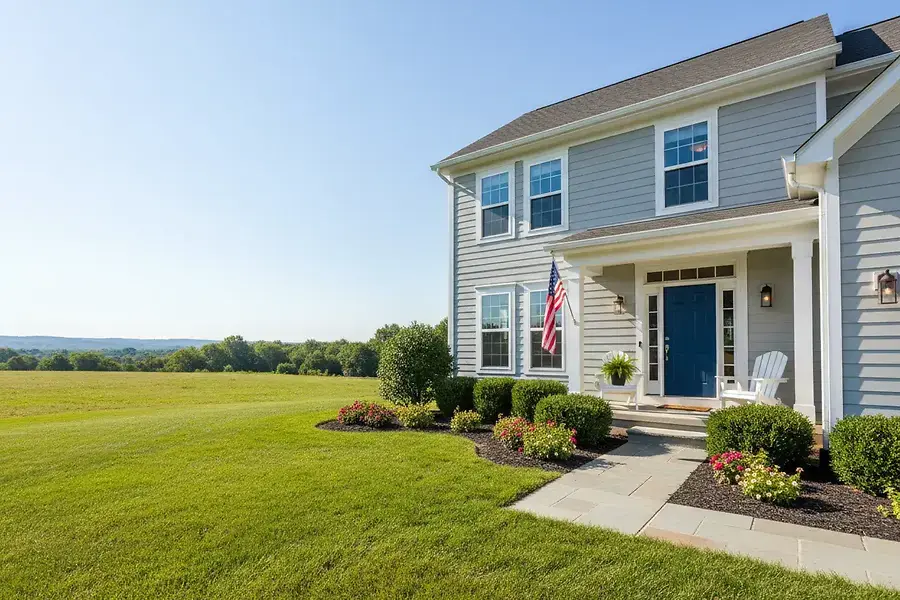
- Curb Appeal: Fresh paint, landscaping, and a clean driveway create an inviting exterior that sets a positive tone for viewings.
- Kitchen Updates: Modern appliances, updated countertops, and fresh cabinetry can significantly increase buyer interest.
- Bathroom Renovations: Updated fixtures and a clean, functional bathroom are essential selling points.
- Flooring: Replace worn carpet or refinish hardwood floors to enhance the home's overall appearance.
- Paint and Lighting: Neutral paint colors and improved lighting make spaces feel larger and more inviting.
Strategic Staging Techniques
Staging helps buyers envision themselves living in your home. Declutter every room by removing personal items, excess furniture, and unnecessary decorations. Arrange furniture to highlight the flow and functionality of each space. Use neutral colors and minimal décor to create a clean, welcoming environment. Ensure all rooms are well-lit, clean, and free of odors. Consider hiring a professional stager if your budget allows—their expertise can make a substantial difference in buyer perception.
Pricing Strategy and Marketing Your Property Effectively
Accurate pricing is fundamental to a successful sale. Overpricing can deter buyers, while underpricing leaves money on the table. A strategic marketing approach will ensure your property reaches qualified buyers.
Determining the Right Price
Work with a qualified real estate agent to conduct a comprehensive comparative market analysis (CMA). This analysis examines recently sold properties with similar features, size, and location. Your agent should provide data on days on market, price reductions, and final sale prices to help you understand current market conditions. Consider your home's unique features, condition, and location when finalizing your asking price.
Effective Marketing Strategies
In today's digital-first market, online visibility is critical. Ensure your listing includes:
- Professional Photography: High-quality images showcase your home's best features and attract more online viewers.
- Virtual Tours: 3D walkthroughs and video tours allow buyers to explore your home remotely, expanding your potential buyer pool.
- Detailed Descriptions: Highlight key features, recent improvements, and neighborhood amenities in your listing description.
- Social Media Promotion: Leverage Facebook, Instagram, and other platforms to reach a broader audience.
- Open Houses: Scheduled open houses create opportunities for serious buyers to view your property in person.
Building Buyer Interest
Consider offering incentives such as covering closing costs, providing a home warranty, or offering flexible closing dates. These strategies can make your property more attractive to potential buyers and accelerate the sales process.
Navigating Offers, Negotiations, and Closing the Sale
Once offers start coming in, the real negotiation begins. Handling this phase strategically will help you secure the best possible deal.
Evaluating and Responding to Offers
Don't focus solely on the purchase price. Consider the entire offer package, including contingencies, inspection terms, financing type, and proposed closing timeline. A lower offer with fewer contingencies might be preferable to a higher offer with extensive conditions. Your real estate agent should help you analyze each offer's strengths and weaknesses.
Negotiation Best Practices
Remain professional and objective during negotiations.
Successful negotiations are built on clear communication, reasonable expectations, and a willingness to find mutually beneficial solutions.Be prepared to counter-offer, but know your bottom line. Avoid emotional attachments to your home during this process—focus on achieving your financial goals.
Preparing for Closing
Once you've accepted an offer, the closing process begins. Coordinate with your real estate agent and attorney to ensure all documentation is completed accurately and on time. Prepare for the home inspection, appraisal, and any final walk-throughs. Address any issues that arise promptly to keep the sale on track.
Final Steps to Success
As closing approaches, ensure your home is in the agreed-upon condition. Coordinate the final walk-through with the buyer, arrange for utilities to be transferred, and prepare for the closing meeting. On closing day, review all documents carefully before signing. Once you've signed the deed and received payment, your sale is complete.
Selling your Dayton home successfully requires careful planning, strategic preparation, and professional guidance. By understanding the local market, preparing your property effectively, pricing competitively, and navigating negotiations skillfully, you'll maximize your return and achieve a smooth, successful sale. Partner with experienced professionals who understand the Dayton market to guide you through every step of this important transaction.


