Selling Your DC Home in 2026: Market Strategies for Maximum Profit
Learn proven tactics to price competitively, stage effectively, and close faster in Washington's dynamic real estate market.

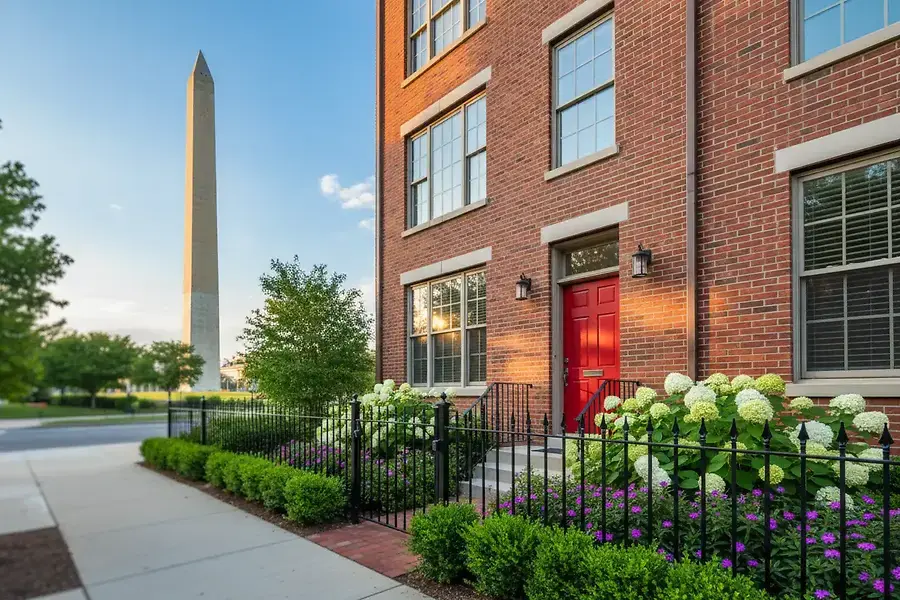
Understanding DC's Current Real Estate Market Dynamics
Washington, DC's real estate market continues to be one of the most competitive and dynamic in the nation. The capital region attracts a diverse pool of buyers—from young professionals to established families—creating consistent demand across multiple neighborhoods. Understanding these market dynamics is crucial before listing your property.
The DC market is characterized by strong buyer interest in walkable neighborhoods with proximity to public transportation, employment centers, and cultural amenities. Neighborhoods like Capitol Hill, Dupont Circle, and U Street Corridor remain highly desirable, while emerging areas offer excellent opportunities for value-conscious buyers. Inventory levels fluctuate seasonally, with spring and early summer typically seeing increased competition among sellers.
Key Market Factors to Consider
- Interest Rates: Monitor current mortgage rates, as they directly impact buyer purchasing power and market activity.
- Neighborhood Trends: Research recent sales data in your specific area to understand local demand and price trajectories.
- Buyer Demographics: Identify who is buying in your neighborhood—this influences your marketing approach and property presentation.
- Days on Market: Track how long comparable homes are selling to set realistic expectations for your listing timeline.
Success in DC's real estate market requires staying informed about local trends and adapting your strategy accordingly.
Preparing Your Property: Staging, Repairs, and Curb Appeal
First impressions matter tremendously in real estate. Before listing, invest time and resources into making your home shine. A well-prepared property commands higher offers and sells faster than one that needs significant work.
Essential Repairs and Maintenance
Address any obvious issues that could turn buyers away or reduce your home's value. This includes fixing leaky faucets, repairing damaged walls, updating outdated electrical outlets, and ensuring all systems function properly. Have a professional home inspection done before listing to identify potential concerns buyers might discover.
Strategic Staging
Staging transforms your home into a buyer's dream. Declutter ruthlessly—remove personal items, excess furniture, and anything that distracts from your home's best features. Neutral colors on walls and furnishings appeal to a broader audience than bold personal choices.
- Maximize natural light by opening curtains and cleaning windows
- Create inviting spaces with fresh flowers and subtle scents
- Arrange furniture to highlight room flow and functionality
- Ensure outdoor spaces are equally appealing as indoor areas
Curb Appeal: Your Home's First Handshake
Buyers decide within seconds whether they want to enter your home. Invest in curb appeal by maintaining landscaping, painting the front door, updating house numbers, and ensuring the entrance is clean and welcoming. A fresh coat of paint on the exterior, new shutters, or updated lighting can dramatically improve your home's street presence.
Pricing Strategy: How to Position Your Home for Success
Pricing is perhaps the most critical decision you'll make when selling. Price too high, and your home sits on the market; price too low, and you leave money on the table. In DC's competitive market, strategic pricing generates multiple offers and maximizes profit.
Conducting a Comparative Market Analysis
Work with a knowledgeable real estate agent to analyze recent sales of comparable properties in your neighborhood. Look at homes with similar square footage, condition, and amenities that sold within the last three to six months. This data forms the foundation of your pricing strategy.
Pricing Psychology and Market Positioning
Strategic pricing involves more than just picking a number. Consider pricing slightly below market value to generate buyer interest and create competitive bidding situations. This approach often results in higher final sale prices than aggressive initial pricing that deters potential buyers.
- Competitive Pricing: Match your price to current market conditions and comparable sales
- Value-Add Pricing: If you've made significant improvements, ensure your price reflects these enhancements
- Market Timing: Consider seasonal trends and economic factors when setting your price
Adjusting Your Strategy
If your home doesn't generate expected interest within the first two weeks, be prepared to adjust your price. The market provides immediate feedback—use it to your advantage. A strategic price reduction can reignite buyer interest and lead to faster sales.
Marketing and Closing: Getting the Right Buyers Through Your Door
Excellent marketing ensures your home reaches qualified buyers. In today's digital-first world, online presence is paramount, but traditional marketing methods still play important roles.
Digital Marketing Excellence
Professional photography and videography are non-negotiable. High-quality images and virtual tours significantly increase online engagement and showings. Ensure your listing appears on all major platforms—Zillow, Redfin, Realtor.com, and local DC real estate sites.
- Invest in professional photography and drone footage
- Create compelling property descriptions highlighting unique features
- Utilize social media to reach broader audiences
- Consider virtual staging for online listings
Traditional Marketing Strategies
Don't overlook traditional methods. Open houses, yard signs, and direct mail to neighborhood residents still generate qualified leads. In DC's established neighborhoods, many buyers appreciate personal connections and community recommendations.
Working with the Right Real Estate Agent
Your agent is your most valuable asset. Choose someone with deep local knowledge, proven sales records in your neighborhood, and strong buyer networks. A skilled agent negotiates effectively, handles inspections and appraisals, and guides you through closing.
Closing Strong
Once you have an offer, the closing process begins. Respond promptly to inspection requests, appraisal concerns, and buyer inquiries. Flexibility during this phase often determines whether deals close successfully. Work closely with your agent and attorney to navigate contingencies and ensure a smooth transaction.
The difference between a successful sale and a failed one often comes down to how you handle the closing process.
Final Thoughts
Selling your DC home successfully requires a comprehensive approach combining market knowledge, property preparation, strategic pricing, and effective marketing. By understanding your local market, presenting your home beautifully, pricing competitively, and marketing strategically, you position yourself for maximum profit and faster closing. Partner with experienced professionals, stay flexible, and remember that each home and market situation is unique. With these proven tactics, you're well-equipped to achieve your selling goals in Washington's dynamic real estate market.


