Selling Your Doylestown Home: Smart Pricing Strategies for Maximum Value
Master the local market dynamics and learn proven pricing techniques to maximize your home's sale value in Doylestown.

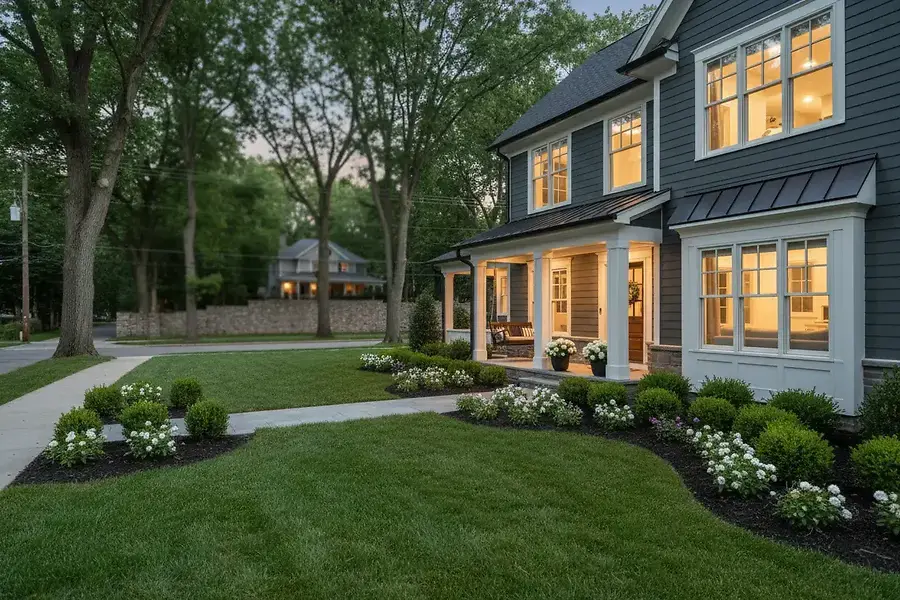
Understanding the Doylestown Real Estate Market: Current Trends and Demand
The Doylestown real estate market is a dynamic and competitive landscape that requires careful attention to current trends and buyer demand. Before listing your home, it's essential to understand what's driving the market in your area and what buyers are actively seeking.
Market Dynamics and Buyer Preferences
Doylestown has experienced steady interest from homebuyers looking for a blend of suburban charm and convenient access to urban amenities. The market has shown resilience with consistent demand for well-maintained properties in desirable neighborhoods. Buyers in this area typically prioritize:
- Proximity to quality schools and educational institutions
- Access to parks, trails, and recreational facilities
- Historic charm combined with modern updates
- Community character and neighborhood stability
- Reasonable commute times to major employment centers
Understanding these preferences is crucial for positioning your home effectively in the marketplace. Properties that align with these buyer priorities tend to attract more qualified leads and command better prices.
Seasonal Trends and Timing
The timing of your sale can significantly impact your home's value. Spring and early summer typically see increased buyer activity, while fall and winter markets may offer less competition. However, motivated buyers are active year-round, and the right pricing strategy can attract serious purchasers regardless of season.
Comparative Market Analysis: How to Price Your Home Competitively
Pricing your home correctly is perhaps the most critical factor in achieving a successful sale. An accurate price attracts qualified buyers, generates multiple offers, and ultimately maximizes your profit.
Conducting a Thorough Comparative Market Analysis
A Comparative Market Analysis (CMA) is the foundation of smart pricing. This analysis examines recently sold properties similar to yours in terms of size, condition, location, and features. Key steps include:
- Identifying 3-5 comparable properties that sold within the last 90 days
- Analyzing price per square foot across comparable homes
- Accounting for differences in condition, upgrades, and lot size
- Reviewing active listings to understand current competition
- Consulting with local real estate professionals for market insights
Avoiding Common Pricing Mistakes
Many sellers make costly pricing errors that can delay sales or result in leaving money on the table. Overpricing is the most common mistake—it deters qualified buyers and can lead to price reductions that signal weakness to the market. Conversely, underpricing means you're not capturing the full value of your property.
Pro Tip: Price your home to sell within the first two weeks of listing. This creates urgency among buyers and often results in multiple offers, which can drive the final sale price higher.
Strategic Pricing Techniques
Consider these proven pricing strategies:
- Psychological Pricing: Price at $449,900 instead of $450,000 to create a perception of better value
- Market-Driven Pricing: Price slightly below market value to generate immediate interest and multiple offers
- Premium Pricing: If your home has unique features or exceptional condition, price accordingly to reflect added value
- Flexible Pricing: Build in room for negotiation while maintaining your bottom-line profit target
Staging and Presentation: Adding Value Before Listing
Your home's presentation can significantly influence perceived value and buyer perception. Strategic staging and improvements can justify premium pricing and accelerate the sale process.
Essential Staging Strategies
Effective staging highlights your home's best features while minimizing potential drawbacks. Focus on:
- Decluttering and depersonalizing spaces to help buyers envision themselves in the home
- Enhancing curb appeal with landscaping, fresh paint, and clean exteriors
- Creating inviting entryways that make strong first impressions
- Highlighting key selling points like fireplaces, built-ins, or architectural details
- Ensuring all spaces are clean, well-lit, and properly furnished
Cost-Effective Improvements That Add Value
Not all improvements require major investments. Strategic updates can yield significant returns:
- Fresh paint in neutral, modern colors
- Updated lighting fixtures and hardware
- Professional cleaning and minor repairs
- Landscaping and outdoor space improvements
- Updated kitchen or bathroom fixtures (if budget allows)
These improvements not only make your home more attractive but also justify a higher asking price by demonstrating that the property has been well-maintained.
Professional Photography and Marketing
In today's market, most buyers begin their search online. Professional photography and compelling property descriptions are essential for attracting serious inquiries. High-quality images showcase your home's best features and can significantly impact buyer interest and perceived value.
Closing the Deal: Negotiation Tactics for Sellers
Once you've attracted interested buyers, effective negotiation becomes critical to achieving your desired sale price and terms.
Understanding Buyer Offers
When offers arrive, evaluate them comprehensively—not just the price. Consider:
- Offer price and terms (contingencies, closing timeline)
- Buyer financing strength and pre-approval status
- Requested repairs or concessions
- Earnest money deposit amount
- Overall deal structure and flexibility
Negotiation Best Practices
Remain professional and strategic during negotiations. Respond promptly to offers, provide clear counteroffers, and maintain open communication. Remember that the highest offer isn't always the best deal—consider the overall package and buyer reliability.
If you receive multiple offers, this creates leverage. Multiple offer situations often result in bidding wars that drive prices higher. Communicate to buyers that you're reviewing multiple offers, which encourages them to strengthen their proposals.
Knowing When to Hold Firm
If your home is priced correctly and staged well, you're in a strong negotiating position. Don't feel pressured to accept below-market offers. Conversely, if the market is slower, be prepared to negotiate more flexibly to close the deal.
Remember: Your real estate agent is your advocate. Work closely with them to develop a negotiation strategy that protects your interests while remaining attractive to serious buyers.
Conclusion
Selling your Doylestown home successfully requires a combination of market knowledge, strategic pricing, effective presentation, and skilled negotiation. By understanding local market dynamics, conducting thorough comparative analysis, investing in staging and improvements, and negotiating strategically, you can maximize your home's sale value and achieve your real estate goals. Take the time to implement these strategies, and you'll be well-positioned to close a profitable deal in the competitive Doylestown market.


