Selling Your Durham Home: Timing, Pricing, and Market Strategy
Master the essential steps to sell your residential property quickly and profitably in Durham's competitive real estate market.

Understanding Durham's Current Residential Market Conditions
Durham's real estate market has evolved into a dynamic landscape where informed sellers gain significant advantages. The residential market is characterized by steady demand from young professionals, families, and investors attracted to the area's growing tech sector and vibrant community. Understanding these conditions is crucial before listing your property.
Market Dynamics and Buyer Behavior
Today's Durham buyers are more educated and selective than ever. They research properties extensively online, compare neighborhoods, and understand market values. The market shows healthy inventory levels with competitive pricing, meaning your home must stand out to attract serious offers. Buyers are looking for properties that offer value, modern amenities, and strong neighborhood characteristics.
Seasonal Considerations
While Durham's mild climate allows for year-round selling, spring and early summer traditionally see increased buyer activity. However, homes listed during slower seasons often face less competition. Consider your personal timeline and financial goals when deciding when to list, as both seasons present unique advantages.
Preparing Your Home for Maximum Appeal and Value
First impressions matter tremendously in real estate. A well-prepared home can command higher prices and sell faster than comparable properties that lack proper presentation.
Curb Appeal and Exterior Improvements
Your home's exterior is the first thing potential buyers see. Focus on these essential improvements:
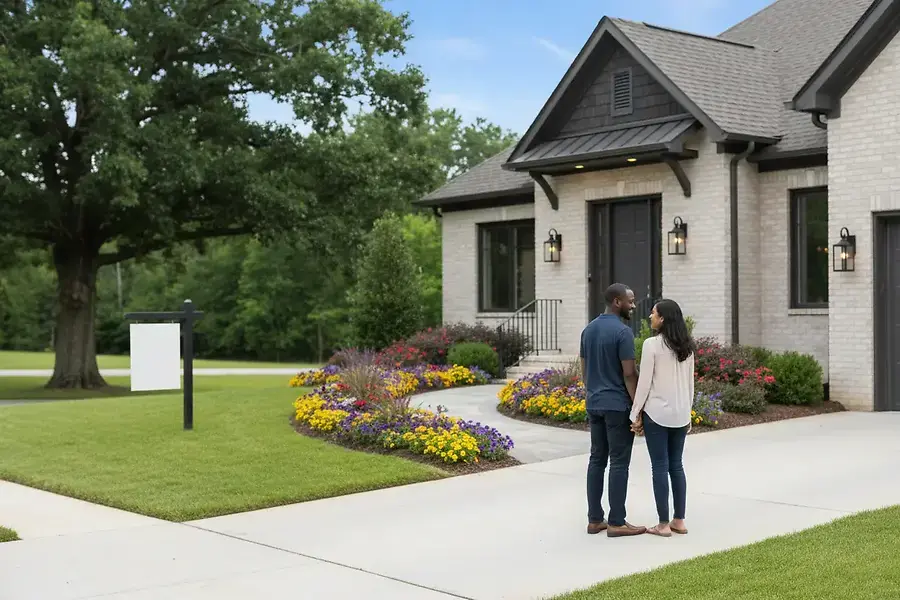
- Landscaping: Trim bushes, plant fresh flowers, and ensure the lawn is well-maintained
- Entrance: Paint the front door, update hardware, and add welcoming lighting
- Driveway: Repair cracks, power wash surfaces, and ensure clean appearance
- Roof and Gutters: Clean gutters and address any visible roof damage
Interior Staging and Repairs
Inside your home, strategic staging creates emotional connections with buyers. Declutter every room by removing personal items, excess furniture, and family photos. Neutral colors and clean spaces help buyers envision their own lives in the property.
Address necessary repairs before listing. Small fixes like leaky faucets, cracked tiles, and worn paint create negative impressions and may cause buyers to question what else might be wrong. Major repairs should be completed or disclosed transparently.
Professional Photography and Virtual Tours
In today's market, most buyers begin their search online. Professional photography is an investment that pays dividends. High-quality images showcase your home's best features and significantly increase inquiry rates. Consider virtual tours or 3D walkthroughs to provide immersive experiences for remote buyers.
Strategic Pricing and Listing Techniques for Quick Sales
Pricing is perhaps the most critical factor in selling your home quickly and profitably. Overpricing leads to extended listing times and eventual price reductions, while underpricing leaves money on the table.
Comparative Market Analysis
Work with your real estate agent to conduct a thorough comparative market analysis (CMA). This analysis examines recently sold properties similar to yours in location, size, condition, and features. The CMA provides the most accurate pricing foundation rather than relying on online estimates or personal assumptions.
Pricing Strategy
Consider these pricing approaches:
- Market-Rate Pricing: Price at or slightly below market value to attract multiple offers and create competitive bidding
- Premium Pricing: If your home has exceptional features or location, justify higher pricing with documentation and professional appraisals
- Strategic Underpricing: Pricing below market can generate significant buyer interest and multiple offers, potentially resulting in higher final sale prices
Effective Listing Presentation
Your listing description should be compelling and detailed. Highlight unique features, recent upgrades, and neighborhood benefits. Use descriptive language that appeals to your target buyer demographic. Include information about schools, proximity to employment centers, and community amenities.
"A well-crafted listing with professional photos and accurate pricing can reduce time on market by 30-40% compared to poorly presented properties."
Marketing and Exposure
Ensure your property receives maximum exposure through multiple listing services (MLS), real estate websites, social media, and targeted advertising. Open houses and private showings should be scheduled strategically to accommodate serious buyers. Your agent should have a comprehensive marketing plan that extends beyond basic listing placement.
Navigating the Offer Process and Closing Successfully
Once offers arrive, the real negotiation begins. How you handle this phase significantly impacts your final proceeds and closing timeline.
Evaluating Offers
Don't focus solely on price. Consider these factors when evaluating offers:
- Financing: Pre-approved buyers with conventional financing are lower risk than those requiring contingencies
- Contingencies: Fewer contingencies mean fewer opportunities for deals to fall apart
- Closing Timeline: Faster closings reduce uncertainty and carrying costs
- Earnest Money: Larger deposits indicate serious, committed buyers
Negotiation Tactics
Respond to offers professionally and strategically. Counteroffers should be reasonable and based on market data. If you receive multiple offers, you can negotiate with the strongest candidate or use competing offers to improve terms. Maintain flexibility on non-price items like closing dates or repair allowances to facilitate agreement.
Inspection and Appraisal Process
Expect the buyer to conduct a home inspection. Be prepared to address findings honestly. Transparency about known issues builds trust and prevents last-minute deal complications. Similarly, ensure the property appraises at or above the agreed price to prevent financing issues.
Final Steps to Closing
As closing approaches, coordinate with your real estate agent, attorney, and title company. Review all documents carefully, including the closing disclosure statement. Ensure all agreed-upon repairs are completed and the property is in the promised condition. Schedule a final walkthrough to confirm the home meets expectations.
On closing day, verify that funds are properly transferred and all documents are executed correctly. Once the deed is recorded, your sale is complete and you can move forward with confidence.
Post-Sale Considerations
After closing, maintain the property until the buyer takes possession. Provide all keys, access codes, and documentation for systems and warranties. A smooth handoff creates positive final impressions and protects against post-closing disputes.
Selling your Durham home successfully requires preparation, strategic pricing, effective marketing, and careful negotiation. By following these essential steps and working with experienced professionals, you can achieve a quick, profitable sale in today's competitive market.