Selling Your El Paso Home: Pricing Strategies for Maximum Profit
Learn proven pricing techniques that help El Paso homeowners attract serious buyers and close faster.

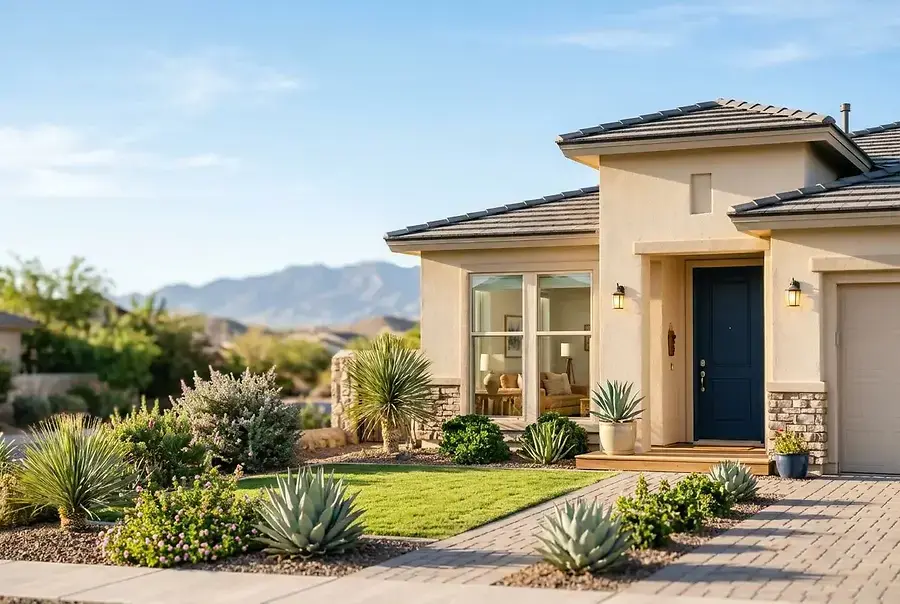
Understanding El Paso's Current Market Dynamics
The El Paso real estate market presents unique opportunities for sellers who understand its current landscape. The region has experienced steady growth, with diverse neighborhoods offering varying price points and buyer demographics. Before listing your home, it's crucial to analyze recent sales data, inventory levels, and buyer demand in your specific area.
El Paso's market is characterized by:
- Diverse buyer base: Military families, young professionals, and retirees create varied demand across neighborhoods
- Seasonal trends: Spring and early summer typically see increased buyer activity
- Neighborhood variation: Price appreciation differs significantly between East, West, and Central El Paso
- Economic factors: Local employment growth and military presence influence market stability
Working with a local real estate agent who understands these dynamics is invaluable. They can provide comparative market analysis (CMA) data showing what similar homes have sold for recently, helping you establish a realistic baseline for your pricing strategy.
Pricing Your Home Competitively Without Leaving Money on the Table
The Art of Strategic Pricing
Pricing is perhaps the most critical decision you'll make when selling your home. Price too high, and you'll sit on the market; price too low, and you'll leave money on the table. The sweet spot requires balancing market conditions with your home's unique features and condition.
Key Pricing Strategies
Comparative Market Analysis (CMA): Review recent sales of similar homes in your neighborhood. Look at homes sold within the last 90 days with comparable square footage, age, and condition. This provides your foundation for pricing decisions.
Psychological Pricing: Consider pricing just below round numbers. A home priced at $249,900 often attracts more buyer interest than one priced at $250,000, even though the difference is minimal. This technique encourages buyers to view your listing when searching within specific price ranges.
Value-Add Pricing: If you've made recent upgrades—new roof, updated kitchen, energy-efficient HVAC—factor these improvements into your pricing. Document all improvements with receipts and before-and-after photos to justify your asking price.
Pro Tip: Avoid overpricing based on emotional attachment. Your home's value is determined by what buyers are willing to pay, not what you paid for it or what you'd like to receive.
Adjusting for Market Conditions
In a buyer's market with high inventory, you may need to price more aggressively to stand out. In a seller's market with limited inventory, you have more flexibility. Monitor how long comparable homes stay on the market—if similar properties sell within 30 days, your pricing is likely competitive. If they linger for 60+ days, the market may be signaling that prices are too high.
Strategic Marketing and Staging to Showcase Your Property's Best Features
First Impressions Matter
Your home's curb appeal is the first thing potential buyers see. Invest in landscaping, fresh paint on the front door, and clean windows. A well-maintained exterior suggests the interior has been cared for equally well.
Interior Staging Essentials
Staging helps buyers envision themselves living in your home. Focus on:
- Decluttering and removing personal items that distract from the space
- Neutralizing bold colors and personal décor choices
- Arranging furniture to highlight room size and flow
- Ensuring all spaces are clean, bright, and well-lit
- Creating inviting spaces like a cozy living room or functional kitchen
Digital Marketing Strategy
In today's market, most buyers begin their search online. Professional photography and virtual tours are essential. High-quality images showcasing your home's best features can significantly impact buyer interest. Consider drone photography for homes with notable outdoor spaces or views.
Leverage multiple platforms: MLS listings, real estate websites, social media, and targeted digital advertising. Detailed descriptions highlighting unique features, recent upgrades, and neighborhood amenities help attract qualified buyers.
Open Houses and Private Showings
While open houses can generate interest, private showings often lead to more serious offers. Ensure your home is show-ready at all times—you never know when a buyer might request a last-minute viewing. Fresh flowers, pleasant scents, and soft background music create a welcoming atmosphere.
Closing Strong: Negotiation Tips and Final Steps to Success
Understanding Offers
When offers arrive, evaluate them holistically—not just the price. Consider:
- Contingencies: Fewer contingencies mean a stronger offer
- Financing: Pre-approved buyers are more reliable than those still seeking loans
- Inspection terms: Buyers requesting extensive inspections may uncover issues
- Timeline: Quick closing dates can be advantageous
- Earnest money: Larger deposits show serious intent
Negotiation Tactics
Don't accept the first offer immediately. Even if it meets your asking price, waiting a few days often generates competing offers that drive the price higher. However, don't be greedy—if you receive a solid offer, consider accepting it rather than risking the deal falling through.
Respond strategically to counteroffers. If a buyer counters below your asking price, you can counter back or accept their offer. Each negotiation round should move closer to agreement. Know your walk-away price before negotiations begin.
Be flexible on non-price items. If a buyer won't budge on price, consider offering closing cost assistance, leaving appliances, or providing a home warranty. These concessions cost you less than a price reduction.
Final Steps to Success
Once you've accepted an offer, the real work begins. Ensure inspections are completed promptly, address any significant issues discovered, and maintain the home's condition until closing. Provide requested documentation and cooperate fully with the buyer's lender and inspector.
Stay in communication with your real estate agent and attorney. They'll guide you through title work, final walk-throughs, and closing procedures. By the time you reach closing day, you'll have successfully navigated the sale process and maximized your profit.
Selling your El Paso home successfully requires understanding the market, pricing strategically, marketing effectively, and negotiating wisely. By following these proven strategies, you'll attract serious buyers, minimize time on the market, and close stronger deals.


