Selling Your Fayetteville Home: Pricing Strategies That Work
Learn how to price your home competitively in Fayetteville's current market to attract serious buyers and close faster.

Understanding Fayetteville's Current Market Conditions
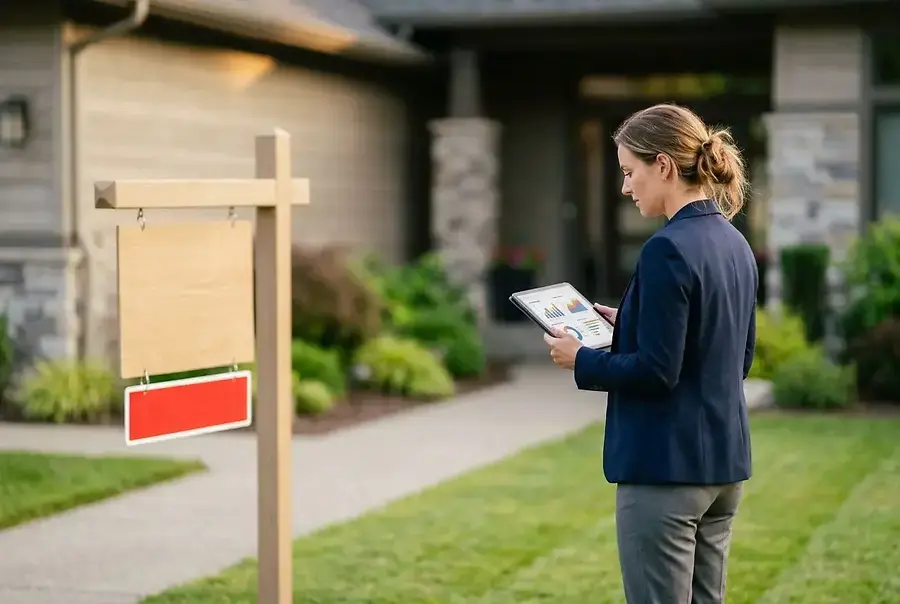
The Fayetteville real estate market is experiencing dynamic growth, with steady demand from both local buyers and those relocating to the area. Understanding the current market landscape is essential before listing your home. The market has shown resilience with consistent inventory levels and competitive buyer interest, making it an opportune time to sell if you price strategically.
Several factors influence Fayetteville's market conditions, including:
- Population Growth: Fayetteville continues to attract new residents, creating sustained demand for residential properties across various price points.
- Economic Development: Local business expansion and job creation drive buyer confidence and purchasing power in the region.
- Seasonal Trends: Spring and early summer typically see increased buyer activity, while winter months may offer less competition for sellers.
- Interest Rates: Current mortgage rates impact buyer affordability and market velocity, influencing how quickly homes sell.
By staying informed about these conditions, you'll be better positioned to price your home appropriately and time your listing for maximum exposure.
Comparative Market Analysis: Finding Your Home's True Value
What is a Comparative Market Analysis?
A Comparative Market Analysis (CMA) is the foundation of accurate home pricing. This analysis examines recently sold properties in your neighborhood that are similar to yours in size, condition, age, and features. Rather than guessing at a price, a CMA provides data-driven insights into what buyers are actually paying for comparable homes.
Key Factors to Consider in Your CMA
When evaluating comparable properties, focus on these critical elements:
- Location: Homes in desirable neighborhoods command premium prices. Consider proximity to schools, parks, and commercial areas.
- Square Footage: Price per square foot varies significantly, so compare homes of similar size to your own.
- Condition and Age: Recently updated homes typically sell for more than those requiring repairs or renovations.
- Features: Evaluate differences in bathrooms, bedrooms, garage spaces, and special amenities like pools or updated kitchens.
- Days on Market: How quickly comparable homes sold indicates market demand and whether your price is competitive.
Working with a Real Estate Professional
While you can research comparable sales online, a local real estate agent has access to comprehensive MLS data and market expertise. They can identify the most relevant comparables and adjust for differences between properties. This professional insight is invaluable for setting a price that attracts buyers without leaving money on the table.
Strategic Pricing Tactics to Maximize Your Sale Price
The Psychology of Pricing
Pricing isn't just about numbers—it's about psychology. A home priced at $349,900 feels significantly different to buyers than one priced at $360,000, even though the difference is modest. Strategic pricing can trigger more showings, create bidding competition, and ultimately result in a higher final sale price.
Pricing Strategies to Consider
Competitive Pricing: Price your home at or slightly below market value to generate immediate interest and multiple offers. This strategy works particularly well in competitive markets where buyer demand is strong.
Psychological Pricing: Use price points that end in 9 or 5 rather than round numbers. Homes priced at $299,900 attract more attention than those listed at $300,000, even though the difference is minimal.
Premium Pricing: If your home has exceptional features, recent upgrades, or a prime location, premium pricing may be justified. However, ensure your price aligns with comparable sales data to avoid deterring buyers.
Flexibility in Pricing: Consider pricing slightly below market value if you need to sell quickly. The reduced price can generate multiple offers and competitive bidding, potentially resulting in a higher final sale price than a higher initial listing price.
Avoiding Common Pricing Mistakes
Many sellers make costly pricing errors that extend their time on market:
- Overpricing: Listing too high based on emotional attachment rather than market data discourages showings and leads to price reductions.
- Ignoring Market Trends: Failing to adjust for current market conditions results in prices that don't reflect reality.
- Neglecting Condition: Pricing a home requiring repairs at the same level as move-in ready homes creates buyer resistance.
- Inflexibility: Refusing to adjust your price based on market feedback wastes valuable selling time.
Preparing Your Home for a Successful Sale
Curb Appeal and First Impressions
Your home's exterior is the first thing buyers see. Invest in curb appeal by maintaining landscaping, refreshing paint, cleaning windows, and ensuring the entrance is welcoming. A well-maintained exterior justifies your asking price and encourages buyers to schedule showings.
Interior Presentation
Inside, focus on cleanliness, neutral décor, and strategic staging. Remove personal items, declutter spaces, and highlight your home's best features. A well-presented home allows buyers to envision themselves living there, supporting your pricing strategy.
Necessary Repairs and Upgrades
Address critical repairs before listing. Broken fixtures, outdated systems, or visible damage reduce buyer confidence and justify lower offers. Strategic upgrades—like fresh paint, updated lighting, or modern hardware—provide excellent return on investment and support premium pricing.
Documentation and Transparency
Gather Documentation: Compile records of recent repairs, upgrades, and maintenance. This documentation supports your pricing and builds buyer confidence.
Be Transparent: Disclose any known issues honestly. Transparency builds trust and prevents complications during inspections or negotiations.
Timing Your Sale
Consider market timing when preparing your home. Spring and early summer typically offer the most buyer activity, allowing you to implement your pricing strategy when demand is highest. However, if you must sell during slower seasons, competitive pricing becomes even more critical.
Conclusion
Selling your Fayetteville home successfully requires understanding market conditions, conducting thorough comparative analysis, and implementing strategic pricing tactics. By combining data-driven pricing with proper home preparation, you'll attract serious buyers, generate competitive interest, and maximize your sale price. Whether you're a first-time seller or experienced in real estate transactions, these strategies provide a roadmap to a successful sale in Fayetteville's dynamic market.


