Selling Your Flushing Home: Market Timing and Pricing Strategy
Learn how to maximize your home's value with data-driven pricing and strategic timing in today's Flushing real estate market.

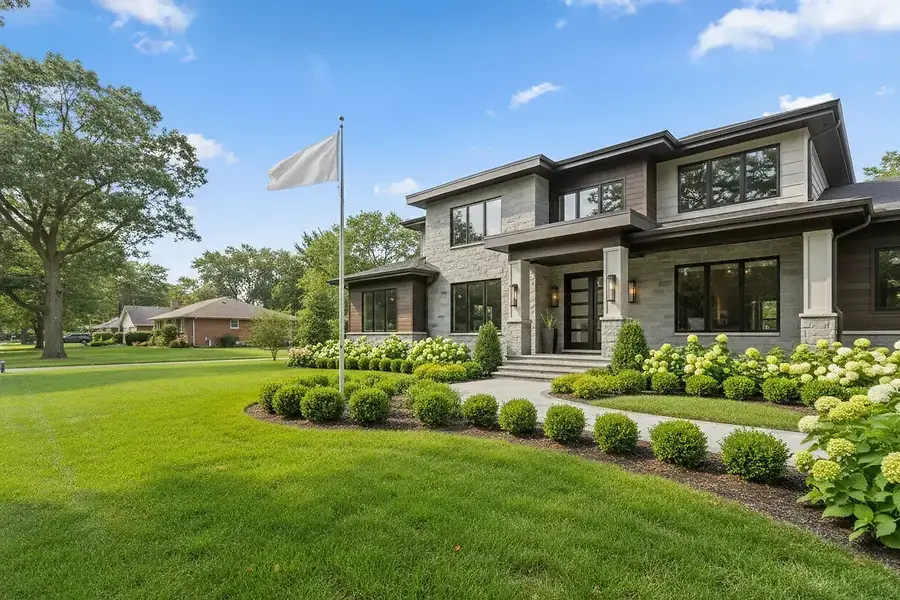
Understanding Current Market Conditions in Flushing
The Flushing real estate market is dynamic and competitive, making it essential to understand current conditions before listing your home. The neighborhood has experienced steady appreciation, attracting both first-time homebuyers and experienced investors. Analyzing recent sales data, inventory levels, and buyer demand will give you a clear picture of where your property stands.
Market Trends and Buyer Behavior
Today's Flushing buyers are increasingly sophisticated, conducting thorough research before making offers. They're looking for homes that combine modern amenities with the neighborhood's cultural richness and convenient transportation access. Understanding what drives buyer interest in your specific area will help you position your home effectively.
Key factors influencing the current market include:
- Inventory levels: Lower inventory typically means faster sales and stronger negotiating power for sellers
- Days on market: Track how long comparable homes take to sell in your area
- Price trends: Monitor whether prices are appreciating, stabilizing, or declining
- Buyer demographics: Understanding who's buying helps you market your home effectively
Preparing Your Home for Sale: Key Improvements That Drive Value
First impressions matter tremendously in real estate. Before listing, invest time and resources into improvements that will maximize your home's appeal and value. Not all upgrades offer equal returns, so focus on strategic improvements that resonate with Flushing buyers.
High-Impact Improvements
Curb Appeal: Your home's exterior is the first thing buyers see. Fresh paint, landscaping, and a well-maintained entrance can significantly impact perceived value. Consider power washing the driveway and adding attractive planters or lighting.
Kitchen and Bathroom Updates: These spaces offer the best return on investment. Modern fixtures, updated countertops, and fresh cabinetry appeal to buyers and justify higher asking prices. You don't need a complete renovation—strategic updates often suffice.
Flooring and Paint: Neutral, clean flooring and fresh paint create a blank canvas for buyers to envision their future. Light, neutral colors appeal to the broadest audience and make spaces feel larger and brighter.
Essential Maintenance
Address any deferred maintenance before listing. Buyers will conduct inspections, and unresolved issues can derail negotiations or reduce your final sale price. Focus on:
- HVAC system inspection and servicing
- Roof condition and repairs
- Plumbing and electrical systems
- Foundation and structural integrity
- Pest control and moisture issues
Pro tip: Get a pre-listing inspection to identify issues before buyers do. This transparency builds trust and often leads to smoother transactions.
Pricing Strategy: Competitive Analysis and Valuation Methods
Pricing is perhaps the most critical decision in selling your home. Price too high, and you'll struggle to attract buyers; price too low, and you'll leave money on the table. A data-driven approach ensures you hit the sweet spot.
Comparative Market Analysis (CMA)
A CMA examines recently sold homes similar to yours in location, size, condition, and features. This analysis provides a realistic price range based on actual market data rather than wishful thinking. Work with a knowledgeable real estate agent who understands Flushing's micromarkets—prices can vary significantly between neighborhoods.
Professional Appraisal
Consider ordering a professional appraisal before listing. While buyers will order their own appraisal, knowing your home's appraised value helps you price competitively and understand what lenders will support. Appraisers consider location, condition, comparable sales, and market trends.
Strategic Pricing Tactics
Psychological Pricing: Pricing at $749,000 instead of $750,000 creates psychological appeal without significantly reducing your net proceeds. This tactic can attract more buyer interest.
Market Positioning: If your home is in excellent condition, price it at the higher end of comparable sales. If it needs work, price accordingly to attract investors or buyers willing to renovate.
Remember: The best price is one that attracts qualified buyers quickly while maximizing your profit. Overpricing delays your sale and may require price reductions that damage buyer confidence.
Closing Your Sale: Timeline, Negotiations, and Final Steps
Once you've listed your home and received offers, the real work begins. Managing negotiations and the closing process strategically can mean the difference between a smooth transaction and a stressful one.
Evaluating Offers
Don't focus solely on price. Consider the buyer's financing, contingencies, closing timeline, and earnest money deposit. A lower offer with fewer contingencies might be preferable to a higher offer that's likely to fall through. Work with your agent to evaluate each offer comprehensively.
Negotiation Strategy
Expect negotiations on price, repairs, and closing costs. Decide in advance what issues are deal-breakers and where you have flexibility. Being prepared helps you respond quickly and confidently to counteroffers.
Key negotiation points include:
- Inspection repairs and who pays for them
- Closing cost assistance
- Closing timeline and possession date
- Included items and fixtures
- Contingency periods
The Final Steps
Once you've accepted an offer, the closing process typically takes 30-45 days. During this time, the buyer secures financing, conducts inspections, and the title company prepares closing documents. Stay responsive to requests and address any issues promptly to keep the transaction on track.
Final walkthrough: Conduct a final walkthrough before closing to ensure agreed-upon repairs were completed and the home is in expected condition.
Review closing documents: Carefully review all closing documents, including the Closing Disclosure, to ensure accuracy before signing.
Maximizing Your Net Proceeds
Remember that your final profit depends on the sale price minus closing costs, agent commissions, and any outstanding mortgage balance. Work with your agent and a tax professional to understand all costs and optimize your financial outcome.
Selling your Flushing home successfully requires understanding the market, preparing strategically, pricing competitively, and managing the closing process professionally. By following these data-driven approaches, you'll position yourself to achieve the best possible outcome in today's real estate market.


