Selling Your Home: A Step-by-Step Guide for Twin Cities Sellers
Master the home selling process from pricing to closing in Minneapolis, St. Paul, and surrounding communities.

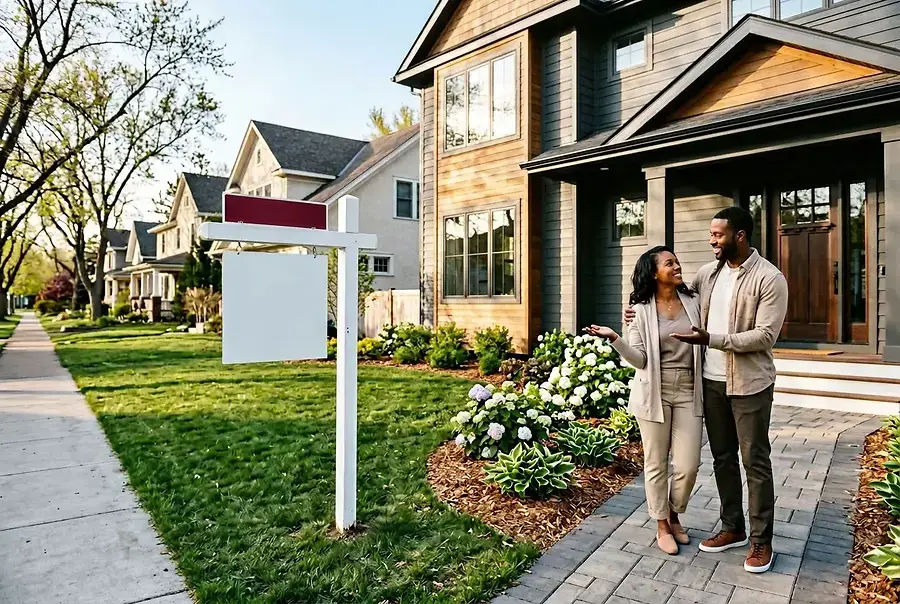
Understanding Your Home's Market Value in Today's Twin Cities Real Estate Climate
Determining the right asking price is one of the most critical decisions you'll make when selling your home in the Twin Cities. The Minneapolis and St. Paul real estate market is dynamic, with values fluctuating based on neighborhood demand, property condition, and local economic factors.
To establish an accurate market value, consider these essential steps:
- Conduct a Comparative Market Analysis (CMA): Review recently sold homes in your neighborhood with similar square footage, age, and features. This gives you a realistic baseline for pricing.
- Understand neighborhood trends: Different Twin Cities neighborhoods appreciate at different rates. Research whether your area is experiencing growth or stabilization.
- Factor in seasonal demand: Spring and early summer typically see higher buyer activity in Minnesota, which can positively impact your home's value.
- Assess your home's unique features: Updated kitchens, energy-efficient systems, and outdoor spaces can command premium prices in the Twin Cities market.
Pro tip: Working with a local real estate agent who understands the Twin Cities market intimately can provide invaluable insights into pricing strategies that maximize your return.
Preparing Your Home for Sale: Essential Upgrades and Staging Strategies That Attract Buyers
First impressions matter significantly in the competitive Twin Cities real estate market. Buyers often decide within minutes whether a home is worth their time, making preparation essential.
Strategic Home Improvements
Focus on upgrades that offer the best return on investment:
- Curb appeal: Fresh landscaping, a new front door, and updated exterior lighting create an inviting entrance that sets the tone for viewings.
- Kitchen updates: Modern appliances, fresh paint, and updated countertops can significantly increase buyer interest and perceived value.
- Bathroom refreshes: New fixtures, tile work, and lighting improvements make bathrooms feel contemporary and clean.
- Energy efficiency: Minnesota winters are harsh, so highlighting insulation, new windows, or updated HVAC systems appeals to cost-conscious buyers.
Staging for Success
Staging helps buyers envision themselves living in your home. Key staging strategies include:
- Decluttering rooms to make spaces appear larger and more open
- Neutralizing bold colors and personal décor to appeal to broader audiences
- Arranging furniture to highlight room functionality and flow
- Ensuring excellent lighting throughout the home, especially important during Minnesota's darker months
- Creating inviting outdoor spaces with comfortable seating and well-maintained landscaping
A well-prepared home can sell faster and for a higher price than one that's presented as-is. The investment in preparation typically pays for itself many times over.
Navigating Offers, Negotiations, and the Closing Process in Minnesota
Evaluating and Responding to Offers
Once your home is on the market, you may receive multiple offers. Evaluate each carefully by considering:
- Offer price: The amount proposed, though not always the highest offer is the best one
- Contingencies: Inspection, appraisal, and financing contingencies affect the offer's strength
- Timeline: How quickly the buyer needs to close and when they want possession
- Buyer qualification: Pre-approval letters indicate serious, qualified buyers
Negotiation Strategies
Negotiation is a normal part of the selling process. Stay flexible but firm on your priorities. Common negotiation points include:
- Final sale price
- Included appliances and fixtures
- Closing date and move-out timeline
- Repair requests following the home inspection
Your real estate agent can guide you through counteroffers and help you understand when to hold firm and when to compromise.
The Minnesota Closing Process
Minnesota has specific requirements for home sales that differ from other states. The closing process typically includes:
- Title search and insurance: Ensures the property has a clear title and protects both buyer and seller
- Final walkthrough: The buyer conducts a last inspection to confirm agreed-upon conditions
- Closing disclosure: All parties review final loan terms and closing costs
- Document signing: You'll sign the deed, settlement statement, and other required documents
- Funds transfer: After signing, funds are transferred and the deed is recorded
Important: Minnesota requires a title company or attorney to handle closing. This protects all parties and ensures compliance with state regulations.
Conclusion: Partnering With a Local Expert to Maximize Your Sale
Selling your home in the Twin Cities doesn't have to be overwhelming. By understanding your market value, preparing your home strategically, and navigating the offer and closing process with confidence, you can achieve a successful sale.
The most successful Twin Cities sellers work with experienced local real estate professionals who understand Minneapolis, St. Paul, and surrounding communities. These experts provide market insights, marketing expertise, and negotiation skills that maximize your home's value and streamline the entire process.
Ready to sell? Connect with a local real estate agent who can guide you through every step and help you achieve your home-selling goals in the Twin Cities market.