Selling Your Home Fast: Proven Strategies for Bay Area Success
Master the essential tactics that help homeowners in Santa Clara, Burlingame, San Bruno, South San Francisco, San Francisco, Daly City, Willow Glen, and Van Ness/Civic Center achieve competitive offers and quick closings.

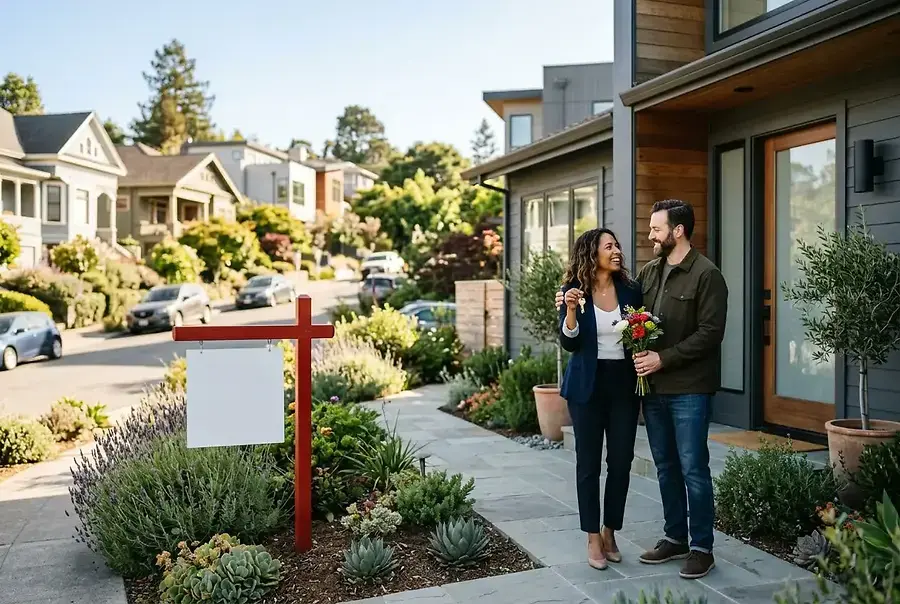
Understanding Your Local Market: Price Trends and Buyer Demand Across Eight Communities
The Bay Area real estate market is as diverse as its neighborhoods. Success in selling your home starts with understanding the specific dynamics of your community. Whether you're in the tech-hub energy of Santa Clara, the coastal charm of Burlingame, or the urban vibrancy of San Francisco's Van Ness/Civic Center, each market has distinct characteristics that influence buyer behavior and pricing strategies.
Start by researching recent comparable sales in your neighborhood. Look at homes similar in size, condition, and location that sold in the past few months. This data reveals what buyers are actually willing to pay, not just asking prices. The Bay Area's competitive market means that homes priced correctly from day one attract serious buyers and generate multiple offers.
Key Market Indicators to Monitor
- Days on Market: How quickly homes are selling in your area
- Price Per Square Foot: The baseline valuation metric for your community
- Inventory Levels: Whether it's a buyer's or seller's market
- Buyer Demographics: First-time homebuyers, families, or investors
Communities like Willow Glen attract families seeking established neighborhoods with excellent schools, while South San Francisco appeals to professionals seeking proximity to employment centers. Understanding who wants to live in your area helps you market effectively and price strategically.
Preparing Your Home: Staging, Repairs, and Curb Appeal That Attract Serious Buyers
First impressions matter enormously in real estate. Before listing your home, invest time and resources into making it irresistible to potential buyers. This isn't about expensive renovations—it's about strategic improvements that maximize perceived value.
Essential Repairs and Updates
Address any obvious maintenance issues immediately. Leaky faucets, cracked windows, and peeling paint signal neglect to buyers. Focus on high-impact repairs that affect safety and functionality: roof condition, plumbing, electrical systems, and HVAC performance. These aren't optional—they're deal-breakers for serious buyers and lenders.
Staging for Success
Declutter ruthlessly. Remove personal items, excess furniture, and family photos. Buyers need to envision themselves in the space, not admire your taste in décor. Neutral, clean spaces feel larger and more appealing.
Highlight key features. If your San Francisco home has original hardwood floors, ensure they're gleaming. If your Santa Clara property boasts a modern kitchen, stage it to showcase functionality. Each community's desirable features should be front and center.
Create emotional connections. Stage outdoor spaces in Burlingame or Willow Glen to show lifestyle potential. A well-arranged patio with comfortable seating invites buyers to imagine summer gatherings. In urban areas like Van Ness/Civic Center, emphasize walkability and proximity to amenities.
Curb Appeal That Converts
Your home's exterior is the first thing buyers see. Invest in landscaping, fresh paint, updated hardware, and a welcoming entrance. A well-maintained front yard can increase perceived value by thousands of dollars and dramatically improve showing rates.
Strategic Pricing and Marketing: How to Position Your Property for Maximum Visibility and Offers
Pricing is both art and science. Price too high, and your home sits on the market, attracting fewer showings and lower offers. Price too low, and you leave money on the table. The sweet spot requires data analysis, market timing, and strategic positioning.
The Pricing Strategy
Work with a real estate professional who understands your specific community's nuances. A home in South San Francisco's industrial corridor prices differently than one in residential Daly City. Use comparable sales data to establish a competitive price that generates immediate interest.
Consider pricing slightly below market value to generate multiple offers and competitive bidding. In the Bay Area's active market, this strategy often results in final sale prices exceeding initial asking prices—and a faster closing timeline.
Marketing That Reaches Serious Buyers
- Professional Photography: High-quality images are non-negotiable. Most buyers start online; poor photos mean they never visit in person.
- Virtual Tours: 3D walkthroughs and video tours expand your reach beyond local buyers.
- Targeted Digital Advertising: Reach specific buyer demographics in your community through social media and real estate platforms.
- Open Houses: Strategic open houses generate foot traffic and create urgency among competing buyers.
- Community-Specific Marketing: Highlight what makes your neighborhood special—tech access in Santa Clara, coastal living in Burlingame, urban convenience in San Francisco.
Leverage multiple listing services and real estate websites to maximize exposure. In competitive Bay Area markets, visibility directly correlates with offers received.
Closing Strong: Negotiation Tips and Timeline Management for a Smooth Sale
You've attracted interested buyers—now it's time to negotiate effectively and close the deal. This final phase requires strategy, patience, and clear communication.
Negotiation Fundamentals
Don't accept the first offer. Even in a buyer's market, multiple offers often emerge. Give buyers a reasonable timeframe to submit their best offers, then evaluate them holistically—not just on price. Consider contingencies, financing strength, and proposed timelines.
Understand buyer motivation. A buyer relocating to San Francisco for a job may be willing to close quickly. A family moving to Willow Glen for schools might negotiate harder on price. Tailor your responses accordingly.
Use contingencies strategically. Fewer contingencies make your offer more attractive to sellers. If you're the buyer, understand that inspection contingencies protect you—don't waive them lightly.
Timeline Management
Establish clear deadlines for inspections, appraisals, and final walkthrough. The Bay Area market moves quickly; delays can kill deals. Coordinate with your lender, inspector, and title company to maintain momentum toward closing.
Prepare for appraisal. Ensure the property appraises at or above the agreed purchase price. If it doesn't, be prepared to renegotiate or cover the difference.
Final Steps to Success
Maintain the property in excellent condition through closing. A final walkthrough reveals any damage or missing items. Coordinate the final utility transfers, address any last-minute issues, and prepare for the closing meeting.
Work with experienced professionals. A knowledgeable real estate agent, attorney, and lender familiar with Bay Area transactions ensure smooth closings and protect your interests throughout the process.
Selling your Bay Area home quickly requires understanding your local market, presenting your property compellingly, pricing strategically, and negotiating effectively. By mastering these proven tactics, you'll achieve competitive offers and close successfully—whether you're selling in Santa Clara, San Francisco, or any of the Bay Area's dynamic communities.