Selling Your Home Faster: Proven Staging Strategies That Work
Discover the essential home staging techniques that help residential properties sell in less time and at better prices.

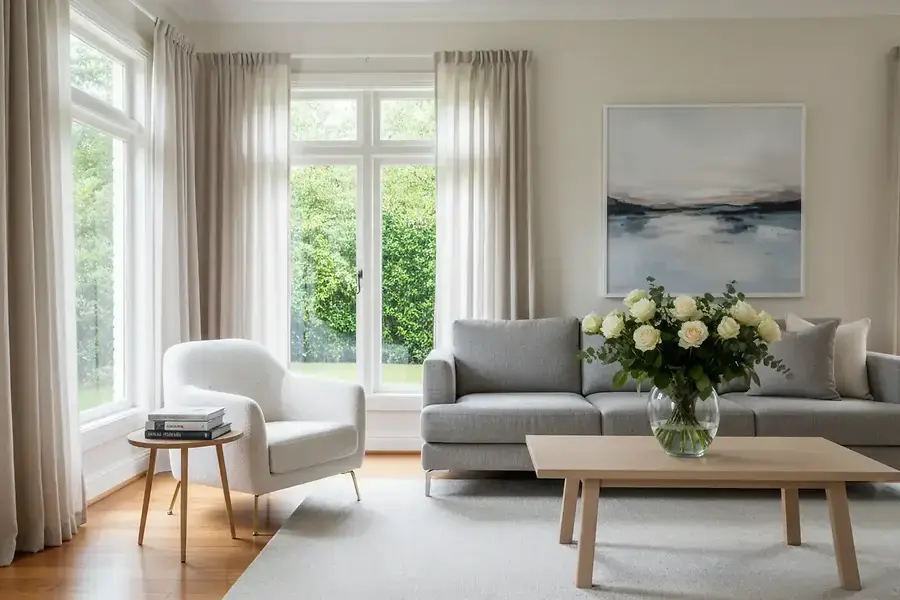
Why Home Staging Matters in Today's Competitive Market
In today's real estate landscape, first impressions are everything. When potential buyers walk through your home, they're not just evaluating the property—they're imagining themselves living there. Home staging is the art of preparing your home to appeal to the widest possible audience, and it's one of the most effective ways to accelerate your sale and maximize your profit.
The statistics speak for themselves. Staged homes typically spend less time on the market and often sell for higher prices than unstaged properties. In a competitive market where buyers have numerous options, staging gives your home the edge it needs to stand out from the competition.
Whether you're selling in a buyer's market or a seller's market, proper staging demonstrates the full potential of your space and helps buyers see past cosmetic issues to envision their future in your home.
Key Staging Strategies for Maximum Appeal and Faster Sales
Declutter and Depersonalize
The first step in staging is removing excess items from your home. Clutter creates visual chaos and makes spaces feel smaller. Walk through each room and ask yourself: "Does this item add value to the space or distract from it?"
- Remove personal photos and memorabilia
- Clear kitchen countertops of appliances and utensils
- Minimize bedroom furniture to make rooms feel larger
- Store away hobby collections and personal items
Depersonalization is equally important. While your family photos mean the world to you, they can distract buyers from imagining their own lives in the space. A neutral, clean environment allows buyers to project their own style onto your home.
Enhance Curb Appeal
Your home's exterior is the first thing buyers see. Curb appeal can make or break a sale before potential buyers even step inside. Focus on these essential elements:
- Refresh the front door with a new coat of paint or hardware
- Landscape with well-maintained plants and flowers
- Power wash the driveway and walkways
- Ensure the lawn is neatly trimmed and healthy
- Add outdoor lighting for evening showings
A welcoming entrance sets a positive tone for the entire showing and encourages buyers to explore further.
Optimize Furniture Placement
Strategic furniture arrangement can transform how buyers perceive your space. The goal is to create an open, flowing layout that highlights the room's best features.
- Arrange furniture to define functional areas
- Create clear pathways through each room
- Float furniture away from walls to make spaces feel larger
- Remove oversized pieces that overwhelm small rooms
- Position seating to encourage conversation
Lighting and Atmosphere
Proper lighting can completely change how a space feels. Bright, well-lit homes feel more inviting and spacious. Open all curtains and blinds during showings, and supplement natural light with strategically placed lamps and fixtures.
Consider adding subtle touches like fresh flowers, pleasant scents (vanilla or fresh linen are universally appealing), and soft background music to create an emotional connection with buyers.
Neutral Color Palette
While bold colors express personality, they can limit buyer appeal. Neutral walls, flooring, and major furnishings provide a blank canvas for buyers to imagine their own design choices. If repainting isn't in your budget, focus on staging with neutral-colored accessories and furniture.
Common Staging Mistakes That Cost Sellers Time and Money
Over-Staging
There's a fine line between staging and over-staging. Too much furniture, excessive decorations, or an overly designed look can feel artificial and off-putting. Buyers want to see the home's potential, not a showroom display.
Ignoring Maintenance Issues
Staging cannot hide fundamental problems. Broken fixtures, water stains, and visible wear signal neglect to buyers. Address these issues before staging begins. A fresh coat of paint, repaired drywall, and clean carpets are non-negotiable investments.
Poor Lighting Choices
Dim, yellowish lighting makes homes feel gloomy and dated. Avoid this common mistake by using bright, white LED bulbs and ensuring every room is well-lit during showings.
Neglecting the Kitchen and Bathrooms
These rooms are deal-breakers for many buyers. A clean, organized kitchen and sparkling bathrooms are essential. Clear countertops, organize cabinets, and ensure fixtures shine.
Leaving Pets and Strong Odors
Pet odors and other strong smells can instantly turn buyers away. Schedule showings when pets are elsewhere, and ensure your home smells fresh and clean. Avoid overpowering air fresheners—subtle is better.
Staging Only Visible Spaces
Don't neglect closets, storage areas, and less-visible spaces. Organized closets suggest the home is well-maintained and give buyers confidence in the property's overall condition.
Taking Action to Prepare Your Home for Success
Staging your home doesn't require a massive budget or professional help, though both can be valuable investments. Start by decluttering and deep cleaning, then focus on the strategies that will have the most impact for your property.
Create a staging checklist and work through it systematically. Prioritize curb appeal and high-traffic areas like the kitchen and living room. Take before-and-after photos to see the transformation and boost your confidence in the process.
Remember: staging is about helping buyers see the best version of your home. When you invest time and effort into presentation, you're investing in a faster sale and better price.
Whether you're selling in a competitive market or looking to gain an advantage, these proven staging strategies will help you attract serious buyers and close your sale more quickly. The effort you put in today will pay dividends when you see the results.


