Selling Your Home in Apex, NC: Pricing Strategies for Success
Learn proven pricing tactics to attract serious buyers and close faster in today's Apex real estate market.

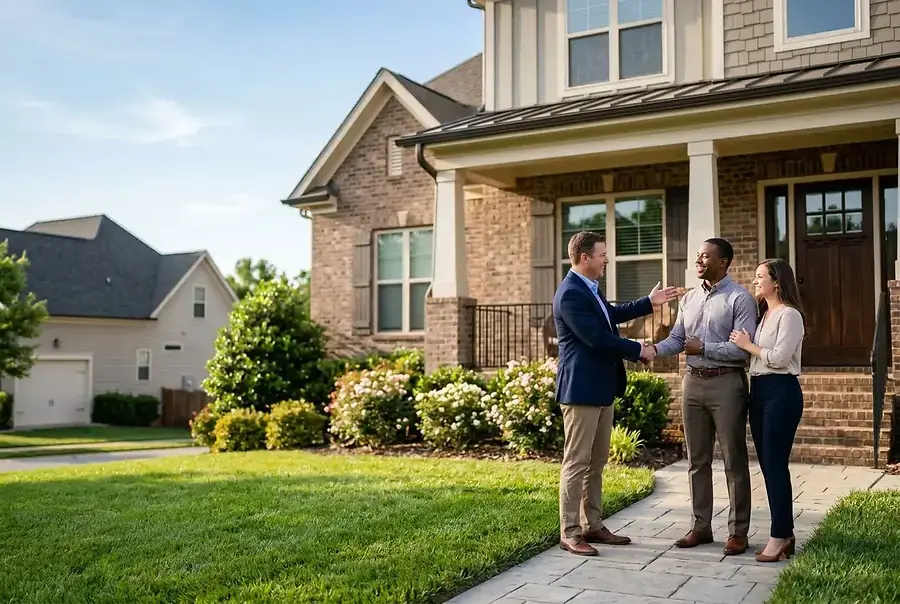
Understanding Current Market Conditions in Apex
Apex, North Carolina has emerged as one of the Triangle's most desirable communities, attracting families and professionals seeking a blend of suburban comfort and urban convenience. The local real estate market reflects strong demand, with homes selling at competitive prices and inventory remaining relatively tight. Understanding these conditions is essential before listing your property.
The Apex market is characterized by steady appreciation and consistent buyer interest. Homes in various price ranges continue to attract qualified purchasers, from first-time homebuyers to established families looking to upgrade. This favorable environment means that proper pricing is your most powerful tool for success.
Key Market Indicators
Several factors influence pricing decisions in Apex:
- Days on Market: Well-priced homes typically sell within 30-45 days, while overpriced properties linger significantly longer
- Inventory Levels: Current supply-demand dynamics favor sellers who price competitively
- Buyer Demographics: Apex attracts quality buyers with strong purchasing power and serious intentions
- School Districts: Proximity to top-rated schools significantly impacts property values
- Community Amenities: Access to parks, shopping, and dining influences buyer perception and pricing
These indicators suggest that strategic pricing aligned with market realities will position your home for maximum exposure and competitive offers.
Competitive Analysis: What Similar Homes Are Selling For
The foundation of effective pricing is thorough competitive analysis. This involves researching comparable properties—homes similar in size, condition, age, and location—to establish realistic market value.
How to Conduct Your Competitive Analysis
Begin by identifying at least 5-10 comparable sales from the past 90 days. Focus on homes that:
- Are located in your neighborhood or similar Apex subdivisions
- Have similar square footage (within 10-15% of your home's size)
- Feature comparable bedroom and bathroom counts
- Were sold recently, not listed months ago
- Are in similar condition to your property
Analyzing the Data
Once you've gathered comparable sales data, calculate the average price per square foot. This metric provides valuable insight into market rates. For example, if comparable homes in your area sold for an average of $185-$195 per square foot, you can apply this range to your home's total square footage to establish a baseline value.
Pro Tip: Don't rely solely on list prices—focus on actual selling prices. A home listed at $450,000 that sold for $425,000 tells a different story than one listed and sold at asking price.
Consider adjustments for unique features. If your home has recent upgrades, a premium lot, or exceptional views, these may justify pricing above the average. Conversely, homes requiring significant repairs should be priced accordingly to reflect necessary buyer investments.
Positioning Your Price to Maximize Interest and Offers
With market data in hand, the strategic positioning of your price becomes crucial. This goes beyond simply choosing a number—it's about psychology, market positioning, and creating urgency among qualified buyers.
The Psychology of Pricing
Pricing research consistently shows that homes priced at or slightly below market value generate more showings, more offers, and ultimately higher final sale prices. This counterintuitive approach works because:
- Increased Visibility: Competitively priced homes appear in more buyer searches and receive greater agent attention
- Multiple Offers: Higher traffic creates competition, which drives up final prices through bidding
- Faster Sales: Quick sales reduce carrying costs and market risk
- Buyer Confidence: Fair pricing signals that you're a serious seller, attracting serious buyers
Strategic Pricing Approaches
Market Value Pricing: Price your home at or within 1-2% of established market value. This approach attracts maximum buyer interest and typically results in competitive offers.
Slight Discount Strategy: Pricing 2-3% below comparable sales can generate significant buyer interest and multiple offers, often resulting in a final sale price that exceeds what you might have achieved with higher initial pricing.
Premium Positioning: If your home has exceptional features, recent high-end upgrades, or unique characteristics, premium pricing may be justified. However, ensure your premium is supported by comparable data and market demand.
Avoiding Common Pricing Mistakes
Many sellers make costly errors when pricing their homes:
- Overpricing based on emotional attachment – Your home's value to you differs from its market value
- Anchoring to outdated assessments – Tax assessments and old appraisals don't reflect current market conditions
- Ignoring necessary repairs – Buyers will, so factor these into your pricing
- Setting price based on mortgage balance – Market value, not your financial situation, determines price
Timing and Market Adjustments
Real estate markets shift seasonally and in response to broader economic conditions. Spring typically brings increased buyer activity, while winter sees fewer showings. Adjust your pricing strategy accordingly. In slower seasons, competitive pricing becomes even more critical to attract limited buyer traffic.
Conclusion: Making Data-Driven Decisions for Your Sale
Selling your Apex home successfully requires moving beyond guesswork and emotion to embrace data-driven decision-making. The Apex market rewards sellers who understand current conditions, conduct thorough competitive analysis, and position their prices strategically.
Your action plan:
- Research recent comparable sales in your neighborhood
- Calculate average price per square foot for similar homes
- Assess your home's unique features and condition honestly
- Work with a knowledgeable local real estate agent who understands Apex market dynamics
- Price competitively to maximize showings and offers
- Be prepared to adjust if market response indicates mispricing
Remember, the best price isn't the highest number you can imagine—it's the price that attracts serious buyers, generates competition, and ultimately closes quickly at maximum value. In Apex's dynamic market, strategic pricing is your competitive advantage. By following these proven tactics and maintaining flexibility as you monitor market response, you'll position yourself for a successful, profitable sale.