Selling Your Home in Bloomington, IN: A Strategic Pricing Guide
Learn how to price your property competitively and attract serious buyers in today's Bloomington real estate market.

Understanding Bloomington's Current Market Conditions
The Bloomington real estate market has experienced significant evolution in recent years, creating both opportunities and challenges for home sellers. Understanding the current landscape is essential before listing your property. The market is characterized by steady demand from both local buyers and those relocating to the area, driven by the presence of Indiana University and a growing job market in various sectors.
Bloomington's neighborhoods vary considerably in terms of desirability, amenities, and price points. Properties near the university tend to attract investors and student housing seekers, while established residential neighborhoods appeal to families and professionals. Inventory levels fluctuate seasonally, with spring and early summer typically seeing increased competition among sellers.
Key Market Factors to Consider
- Interest Rates: Current mortgage rates significantly impact buyer purchasing power and market activity levels.
- Local Employment: Job growth in healthcare, education, and technology sectors influences demand for residential properties.
- Inventory Levels: The number of homes for sale affects pricing power and time on market.
- Seasonal Trends: Spring and summer typically see higher buyer activity than fall and winter months.
How to Conduct a Comparative Market Analysis for Your Home
A Comparative Market Analysis (CMA) is the foundation of strategic pricing. This analysis compares your home to recently sold properties with similar characteristics in your neighborhood. Rather than relying on guesswork, a data-driven approach ensures your asking price reflects true market value.
Steps to Perform Your Own CMA
Step 1: Identify Comparable Properties
Look for homes that sold within the last 90 days in your neighborhood or similar areas. Comparable properties should have similar square footage, age, condition, and number of bedrooms and bathrooms. Aim to find at least three to five comparable sales for accuracy.
Step 2: Analyze Price Per Square Foot
Calculate the price per square foot for each comparable property by dividing the sale price by the total square footage. This metric helps normalize prices across properties of different sizes. Your home's price per square foot should fall within the range established by your comparables.
Step 3: Account for Differences
No two homes are identical. If your home has features that comparable properties lack—such as a renovated kitchen, updated HVAC system, or premium lot location—you may justify a higher price. Conversely, if your home needs repairs or updates, you should adjust your price downward accordingly.
Step 4: Review Days on Market
Pay attention to how long comparable properties took to sell. If homes are selling quickly, the market may support higher prices. If properties are lingering on the market, you may need to price more aggressively to attract buyers.
When to Consult a Real Estate Professional
While conducting your own CMA provides valuable insights, working with a local real estate agent offers additional advantages. Agents have access to comprehensive MLS data, market trends, and insights that may not be publicly available. They can also provide professional guidance based on their experience with Bloomington's specific neighborhoods.
Strategic Pricing Strategies to Maximize Your Sale Price
Setting the right price is both an art and a science. Your goal is to attract serious buyers while maximizing your profit. Several strategic approaches can help achieve this balance.
The Competitive Pricing Strategy
Price your home at or slightly below market value to generate immediate interest and multiple offers. This approach works particularly well in competitive markets or when you need to sell quickly. The increased buyer interest often leads to bidding wars that drive the final sale price higher than you might have achieved with an inflated asking price.
The Premium Positioning Strategy
If your home has exceptional features, unique characteristics, or is in a highly desirable location, you may price at the higher end of the market range. However, this strategy requires that your home's condition and presentation justify the premium price. Professional staging and high-quality photography become essential.
The Psychological Pricing Strategy
Pricing just below round numbers—such as $299,900 instead of $300,000—can psychologically appeal to buyers. This tactic leverages the way buyers search for homes and perceive value, potentially attracting more qualified leads.
Avoid Common Pricing Mistakes
- Overpricing: Listing too high reduces buyer interest and often results in price reductions that signal weakness to the market.
- Underpricing: Pricing too low leaves money on the table and may raise buyer suspicions about hidden problems.
- Ignoring Market Conditions: Failing to adjust your strategy based on current supply and demand creates missed opportunities.
- Emotional Attachment: Pricing based on what you paid or what you believe your home is worth, rather than market data, leads to poor decisions.
Preparing Your Home for a Quick and Profitable Sale
Strategic pricing alone won't maximize your sale price. Your home's presentation and condition are equally important. Buyers in Bloomington expect well-maintained properties that are move-in ready or require only minor updates.
Essential Preparation Steps
Curb Appeal Matters
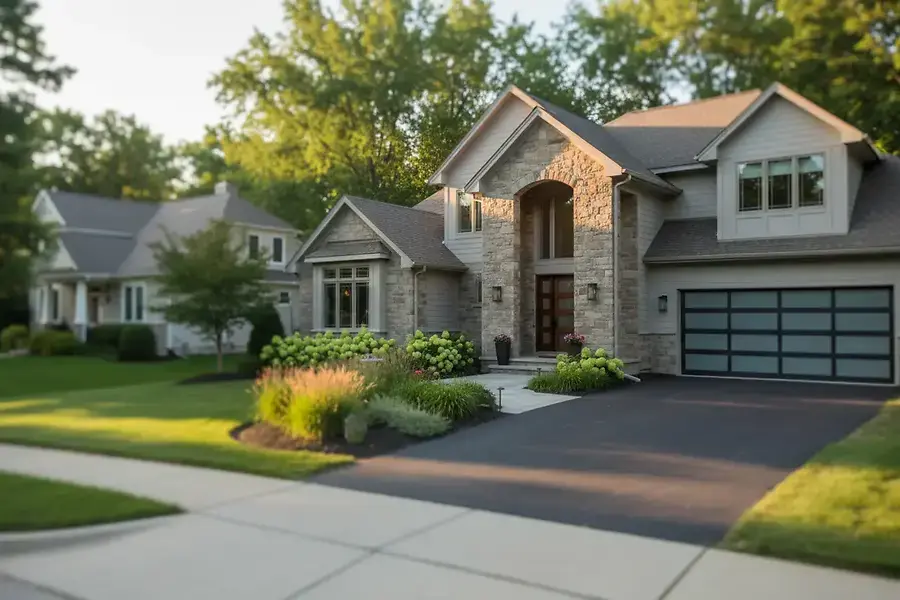
First impressions are lasting. Invest in landscaping, fresh exterior paint if needed, and a clean, welcoming entryway. A well-maintained front yard signals that the entire home has been cared for properly.
Interior Staging and Decluttering
Remove personal items, excess furniture, and clutter to help buyers envision themselves in the space. Neutral colors and minimal decoration allow buyers to focus on the home's features rather than your personal style.
Address Necessary Repairs
Fix obvious issues such as leaky faucets, cracked tiles, or damaged flooring. These minor repairs prevent buyer concerns from escalating and demonstrate that the home has been well-maintained.
Professional Photography and Virtual Tours
High-quality photos and virtual tours are essential in today's market. Many buyers begin their search online, so professional presentation can significantly impact the number of showings you receive.
The Bottom Line
Selling your home in Bloomington successfully requires a strategic approach that combines accurate market analysis, competitive pricing, and excellent presentation. By understanding current market conditions, conducting thorough research, and preparing your home properly, you position yourself to attract serious buyers and achieve your financial goals. Consider working with a qualified real estate professional who understands Bloomington's unique market dynamics to guide you through the process.


