Selling Your Home in Boise Valley: A Complete 2026 Market Guide
Master the current real estate market with proven strategies for pricing, staging, and selling your home quickly in Idaho's most desirable communities.

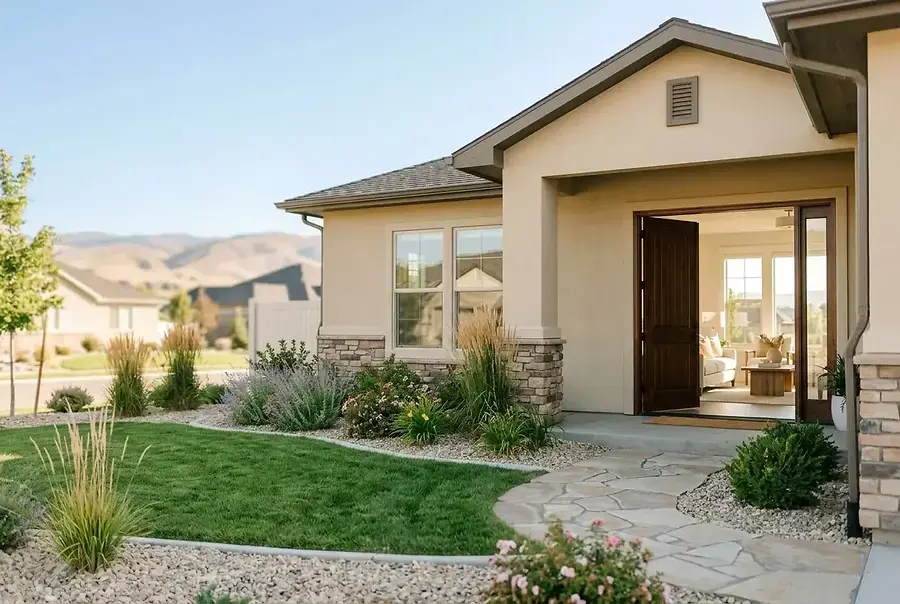
Understanding the Current Boise Valley Real Estate Market
The Boise Valley real estate market continues to be one of the most dynamic in the nation. With steady population growth and strong demand from both local buyers and out-of-state relocators, sellers have significant opportunities to capitalize on favorable market conditions. Understanding the current landscape is essential before listing your property.
Market Trends and Buyer Behavior
Today's Boise Valley buyers are more informed than ever. They conduct extensive online research, compare properties across multiple platforms, and expect homes to be move-in ready. The market favors well-presented properties with clear value propositions. Homes that stand out visually and are priced competitively tend to sell significantly faster than those that don't meet these criteria.
Inventory levels remain relatively balanced, giving sellers a reasonable advantage without creating an overly competitive environment. This means your home has genuine potential to attract serious buyers if presented properly.
Location Advantages in Boise Valley Communities
Different neighborhoods within Boise Valley appeal to different buyer demographics. Families often seek proximity to top-rated schools, while young professionals prefer walkable urban areas. Understanding your neighborhood's unique selling points will help you market effectively:
- Proximity to employment centers and tech hubs
- Access to parks, trails, and outdoor recreation
- School district ratings and quality
- Community amenities and local businesses
- Commute times to major destinations
Preparing Your Home for Sale: Staging and Inspection Tips
Professional Home Inspection
Before listing, invest in a professional home inspection. This proactive approach identifies issues before buyers discover them, preventing negotiation complications and price reductions. Address any major repairs upfront to present your home in the best possible condition. Minor issues like fresh paint, caulking, and landscaping improvements often yield excellent returns on investment.
Strategic Home Staging
Staging is not about decorating—it's about helping buyers envision themselves living in your home. Effective staging focuses on:
- Decluttering: Remove personal items, excess furniture, and family photos to create neutral spaces
- Deep cleaning: Ensure every surface sparkles, from baseboards to ceiling fans
- Curb appeal: First impressions matter—maintain landscaping, paint the front door, and add welcoming touches
- Lighting: Open curtains, add lamps, and ensure bright, welcoming spaces throughout
- Neutral colors: Paint walls in soft, neutral tones that appeal to the broadest audience
Essential Repairs and Updates
Focus on repairs that provide the best return on investment. Kitchen and bathroom updates don't need to be extensive—fresh fixtures, new hardware, and updated lighting can dramatically improve perceived value. Ensure all systems function properly: HVAC, plumbing, electrical, and appliances should all be in excellent working order.
Pricing Strategies and Marketing Your Property Effectively
Competitive Market Analysis
Accurate pricing is crucial for quick sales. Conduct a thorough comparative market analysis (CMA) examining recently sold homes in your neighborhood with similar square footage, age, and condition. Overpricing is the number one reason homes sit on the market. A competitive price generates multiple showings and potential offers, while an inflated price discourages serious buyers.
Work with a knowledgeable local real estate agent who understands Boise Valley market dynamics and can provide data-driven pricing recommendations.
Multi-Channel Marketing Strategy
Modern home selling requires a comprehensive marketing approach:
- Professional photography: High-quality photos are essential—most buyers start their search online
- Virtual tours: 3D walkthroughs and video tours expand your reach to remote buyers
- Social media promotion: Leverage Facebook, Instagram, and other platforms to reach potential buyers
- Real estate websites: Ensure your listing appears on all major platforms with complete, accurate information
- Open houses: Schedule strategic open houses to generate buyer interest and momentum
- Targeted advertising: Use digital ads to reach specific buyer demographics in your area
Creating Buyer Interest
Your listing description should highlight unique features and lifestyle benefits. Instead of simply listing "3 bedrooms," describe how the master suite provides a peaceful retreat. Rather than "updated kitchen," explain how the open layout is perfect for entertaining. Paint a picture of the lifestyle your home offers.
"The most successful home sales result from combining accurate pricing, professional presentation, and strategic marketing—all working together to attract the right buyers."
Closing the Sale: Next Steps and Timeline
Evaluating Offers
When offers arrive, evaluate them beyond just the purchase price. Consider contingencies, inspection periods, financing terms, and closing timelines. The highest offer isn't always the best offer. A slightly lower offer with fewer contingencies and a faster closing may be preferable to a higher offer with complications.
Inspection and Appraisal Process
Once an offer is accepted, the buyer will typically conduct their own inspection and order an appraisal. Be prepared to address inspection findings professionally. Most buyers expect minor repairs or credits. Maintain flexibility during negotiations to keep the sale moving forward.
Final Preparations and Closing
As closing approaches, ensure all agreed-upon repairs are completed and documented. Coordinate with your real estate agent and attorney to manage paperwork and timelines. Plan your move strategically, and prepare the home for final walkthrough by the buyer.
The typical closing timeline ranges from 30-45 days, though this varies based on financing and contingencies. Stay in close communication with all parties to ensure a smooth, timely closing.
Post-Sale Considerations
After closing, handle utility transfers, address forwarding, and final property inspections. Keep all closing documents organized for your records. If you're relocating within Boise Valley, use this opportunity to explore your new community and plan your next chapter.
Selling your home in Boise Valley is an exciting opportunity. By understanding the market, preparing your home professionally, pricing strategically, and marketing effectively, you'll position yourself for a successful, profitable sale. Work with experienced local professionals who understand the nuances of your community, and you'll navigate the process with confidence.