Selling Your Home in Central Valley: Pricing Strategies That Work
Master the art of competitive pricing and strategic marketing to sell faster and achieve top dollar in today's Central Valley market.

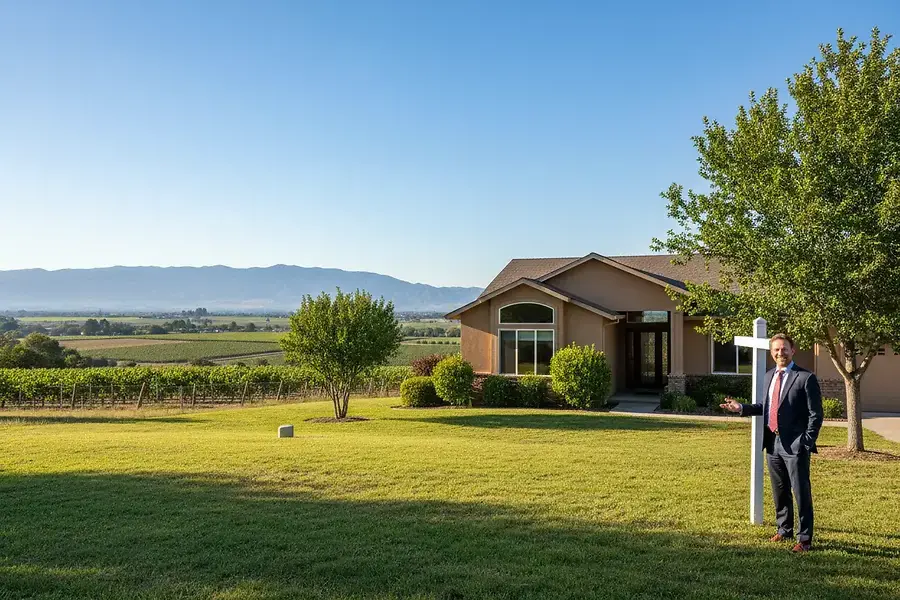
Understanding Current Market Conditions in Central Valley
The Central Valley real estate market is dynamic and competitive, with inventory levels and buyer demand constantly shifting. To successfully sell your home, you must first understand the current landscape. Market conditions directly impact your pricing strategy and marketing approach.
Recent trends show that the Central Valley continues to attract buyers seeking affordable housing options compared to coastal California markets. However, this doesn't mean every property sells quickly. Success requires knowledge of local neighborhoods, seasonal patterns, and buyer preferences.
Key Market Indicators to Monitor
- Days on Market (DOM): How long homes typically stay listed before selling
- Inventory Levels: The number of active listings in your area
- Price Per Square Foot: Average pricing trends by neighborhood
- Buyer Demographics: Who is purchasing in your area and what they value
Understanding these metrics helps you position your home competitively and set realistic expectations for your sale timeline.
Determining Your Home's Competitive Price Point
Pricing is the single most important factor in selling your home successfully. Price too high, and your home sits on the market; price too low, and you leave money on the table. Finding the sweet spot requires data-driven analysis and professional insight.
Conducting a Comparative Market Analysis (CMA)
A CMA compares your home to recently sold properties in your neighborhood with similar features. This analysis should include:
- Homes sold within the last 3-6 months
- Properties with similar square footage, bedrooms, and bathrooms
- Comparable location and condition
- Adjustments for unique features or upgrades
Factors That Influence Your Price
Beyond comparable sales, several factors affect your home's value in the Central Valley market:
- Location: Proximity to schools, employment centers, and amenities
- Condition: Age of the home, recent renovations, and maintenance level
- Lot Size: Larger lots often command premium prices
- Special Features: Pool, solar panels, or energy-efficient upgrades
- Market Timing: Seasonal demand fluctuations
Pro Tip: Consider hiring a professional appraiser to get an objective valuation. This investment often pays for itself by ensuring you price competitively from day one.
Marketing Tactics That Attract Serious Buyers
Once you've priced your home strategically, effective marketing brings qualified buyers through your door. In today's digital-first market, your online presence is crucial.
Professional Photography and Virtual Tours
First impressions happen online. High-quality photos and 3D virtual tours significantly increase buyer interest and showings. Invest in professional photography that showcases your home's best features in natural lighting.
Leverage Multiple Marketing Channels
- MLS Listings: Ensure your listing appears on all major real estate platforms
- Social Media: Share photos and videos on Facebook, Instagram, and TikTok
- Email Marketing: Send targeted campaigns to local buyer databases
- Open Houses: Host well-promoted open houses to generate foot traffic
- Neighborhood Flyers: Reach nearby residents who may know interested buyers
Highlight Central Valley Appeal
Market your home's unique advantages for Central Valley living. Emphasize:
- Affordability compared to other California regions
- Growing job markets and economic development
- Agricultural heritage and rural charm
- Access to outdoor recreation and natural beauty
- Strong community schools and family-friendly neighborhoods
Create Urgency Without Desperation
Strategic pricing and limited-time incentives can create buyer urgency. Consider offering:
- Seller concessions for closing costs
- Home warranty coverage
- Flexible closing timelines
- Staging allowances for buyer improvements
Closing Strong: Negotiation and Final Steps
When offers arrive, your negotiation strategy determines your final sale price and terms. Stay flexible but firm on your priorities.
Evaluating Offers Strategically
Don't automatically accept the highest offer. Consider the complete package:
- Purchase Price: The offered amount
- Contingencies: Inspection, appraisal, and financing conditions
- Closing Timeline: How quickly the buyer can close
- Buyer Qualification: Pre-approval status and financial stability
- Requested Repairs: What the buyer expects you to fix
Negotiation Best Practices
Successful negotiations require clear communication and strategic thinking:
- Respond promptly to offers and counteroffers
- Use data to justify your positions
- Be willing to compromise on non-essential items
- Keep emotions out of business decisions
- Consult with your real estate agent before responding
Preparing for Closing
Once you've accepted an offer, the closing process begins. Stay organized and responsive to ensure a smooth transaction:
- Provide required documentation promptly
- Coordinate inspections and appraisals
- Address any issues that arise quickly
- Review closing documents carefully
- Prepare your home for final walkthrough
Remember: Your real estate agent is your advocate throughout this process. Lean on their expertise and local market knowledge to navigate negotiations successfully.
Final Thoughts
Selling your Central Valley home successfully combines strategic pricing, effective marketing, and skilled negotiation. By understanding your market, pricing competitively, and marketing strategically, you'll attract serious buyers and achieve your financial goals. Work with experienced professionals, stay informed, and remain flexible as you navigate the selling process. Your success in the Central Valley market is within reach.


