Selling Your Home in Chicago's North Shore: Timing and Strategy
Learn the key factors that influence home values and sale success across Chicago's most desirable suburban communities.

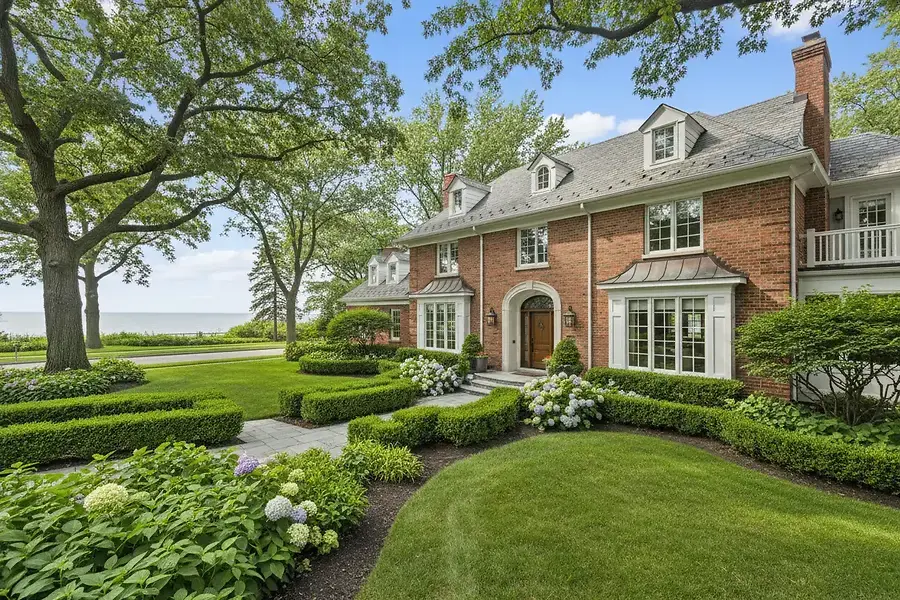
Understanding the North Shore Market
Chicago's North Shore represents some of the most sought-after residential real estate in the Midwest. Communities like Evanston, Wilmette, Winnetka, and Glencoe attract buyers seeking excellent schools, lakefront access, and proximity to urban amenities. Understanding this unique market is the first step toward a successful home sale.
The North Shore market operates differently than other Chicago neighborhoods. Properties here command premium prices due to their desirable locations, quality construction, and strong community infrastructure. Sellers who understand these dynamics can position themselves for maximum success.
What Makes the North Shore Special
The North Shore's appeal extends beyond mere location. Excellent school districts consistently rank among the best in Illinois, making these communities particularly attractive to families. Additionally, the proximity to Lake Michigan provides recreational opportunities and scenic beauty that enhance property values significantly.
- Top-rated public and private schools
- Direct lake access and waterfront properties
- Established neighborhoods with mature landscaping
- Strong community amenities and cultural institutions
- Easy commute to downtown Chicago
Strategic Timing and Market Conditions for Sellers
Timing your home sale strategically can mean the difference between a quick sale at your asking price and a prolonged listing with price reductions. The North Shore market experiences seasonal fluctuations that savvy sellers should understand.
Seasonal Market Trends
Spring and early summer traditionally represent the strongest selling season in the North Shore. Families prefer to move during school breaks, and the pleasant weather encourages property viewings. However, increased competition from other sellers also characterizes this period.
Fall can be an excellent alternative for sellers willing to think strategically. Fewer homes hit the market in September and October, reducing competition while serious buyers remain active. Winter typically sees the slowest activity, though motivated buyers in this season often face less competition.
Reading Market Indicators
Before listing your home, analyze current market conditions. Consider these key indicators:
- Days on Market: How long comparable homes take to sell
- Inventory Levels: Number of active listings in your area
- Price Trends: Whether comparable homes are appreciating or depreciating
- Buyer Activity: Number of showings and offers on similar properties
- Interest Rates: Current mortgage rates affecting buyer purchasing power
A real estate professional familiar with the North Shore can provide invaluable insights into these metrics and help you time your listing for maximum impact.
Pricing Your Home Competitively in This Region
Pricing represents perhaps the most critical decision in your home sale. Overpricing leads to extended listings and eventual price reductions, while underpricing leaves money on the table.
Conducting a Comprehensive Market Analysis
Start with a detailed analysis of comparable sales. Look at homes similar in size, condition, and location that sold recently. The North Shore market values specific features heavily—lakefront properties command significant premiums, as do homes with updated kitchens and bathrooms.
"Pricing is not about what you think your home is worth—it's about what the market will pay for it today."
Consider these factors when evaluating comparable properties:
- Square footage and lot size
- Age and condition of the home
- Number of bedrooms and bathrooms
- Proximity to schools and amenities
- Waterfront or water-view status
- Recent renovations and upgrades
Strategic Pricing Approaches
Rather than simply splitting the difference between your desired price and market value, consider strategic pricing approaches. Pricing slightly below market value can generate multiple offers and create competitive bidding, ultimately resulting in a higher final sale price.
Conversely, if your home offers unique features or exceptional condition, pricing at or slightly above comparable sales may be justified. The key is ensuring your price aligns with market reality while highlighting your property's distinct advantages.
Preparing Your Home for Maximum Appeal
Before listing, invest in strategic improvements that enhance buyer perception and justify your asking price. Focus on high-impact upgrades:
- Professional landscaping and curb appeal enhancements
- Fresh interior paint in neutral colors
- Updated lighting fixtures and hardware
- Deep cleaning and decluttering
- Minor repairs and maintenance issues
These improvements don't require major renovations but significantly impact buyer perception and willingness to pay your asking price.
Maximizing Your Home's Potential
Successfully selling your North Shore home requires a comprehensive strategy that combines market knowledge, strategic timing, and competitive pricing. Work with an experienced real estate professional who understands the nuances of this premium market.
Your agent should provide detailed market analysis, help you price competitively, and develop a marketing strategy that highlights your home's unique features. Professional photography, virtual tours, and targeted marketing reach qualified buyers actively seeking North Shore properties.
Remember that selling your home is not just a transaction—it's an opportunity to position your property for maximum value. By understanding market dynamics, timing your listing strategically, and pricing competitively, you'll maximize your home's potential and achieve the best possible outcome.
The North Shore market rewards sellers who approach the process thoughtfully and strategically. Take time to understand your market, prepare your home thoroughly, and partner with professionals who can guide you toward success.


