Selling Your Home in Columbia, MO: Pricing Strategy That Works
Master the art of pricing your Columbia home competitively to attract qualified buyers and close faster.

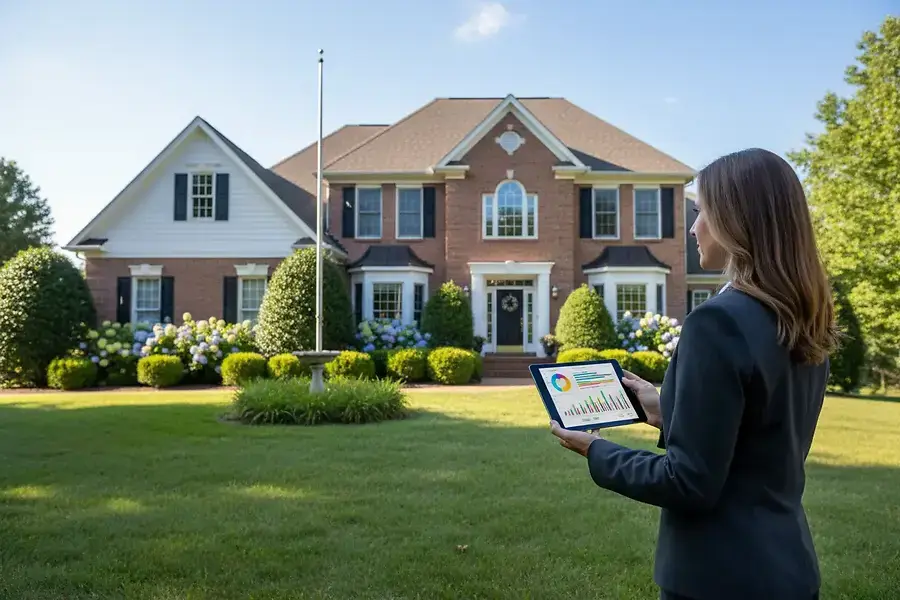
Understanding Columbia's Current Real Estate Market Conditions
Columbia, Missouri's real estate market is dynamic and competitive, making it essential for sellers to understand the current landscape before listing their homes. The market has experienced steady growth, with increasing buyer interest in the area due to the presence of the University of Missouri and a thriving local economy.
Several factors influence Columbia's market conditions:
- Inventory Levels: The number of homes available for sale directly impacts pricing power. When inventory is low, sellers have more leverage to price competitively.
- Days on Market: Understanding how long similar homes stay on the market helps you set realistic expectations for your sale timeline.
- Buyer Demographics: Columbia attracts first-time homebuyers, young professionals, and families, each with different preferences and budgets.
- Seasonal Trends: Spring and summer typically see increased buyer activity, while winter months may require more strategic pricing.
Working with a local real estate professional who understands these nuances can provide invaluable insights into current market conditions and help you position your home effectively.
How to Determine Your Home's Accurate Market Value
Conduct a Comparative Market Analysis
A Comparative Market Analysis (CMA) is the foundation of accurate pricing. This involves analyzing recently sold homes in your neighborhood that are similar to yours in size, condition, and features. Look for homes that sold within the last 90 days to ensure relevance.
Key factors to compare:
- Square footage and lot size
- Number of bedrooms and bathrooms
- Age and condition of the property
- Special features (garage, deck, updated kitchen)
- Location and proximity to amenities
Get a Professional Appraisal
While a CMA provides market-based pricing, a professional appraisal offers an unbiased assessment of your home's value. Appraisers use standardized methods and have access to comprehensive data that can validate your pricing strategy. This is particularly valuable if your home has unique features or recent upgrades.
Consider Your Home's Condition
Be honest about your home's condition. Recent renovations, updated systems, and excellent maintenance can justify higher pricing. Conversely, deferred maintenance or outdated features may require price adjustments. Consider getting pre-inspection reports to identify any issues that might affect value.
Account for Market Adjustments
Don't simply average comparable sales prices. Make adjustments for differences between your home and the comparables. If your home has a newer roof and the comparable doesn't, add value. If your home lacks a garage and the comparable has one, subtract value. These adjustments create a more accurate pricing picture.
Positioning Your Price to Attract Serious Buyers
The Psychology of Pricing
Strategic pricing goes beyond just setting a number. Psychological pricing can significantly impact buyer perception and interest. Pricing at $249,900 instead of $250,000 creates the perception of a better deal, even though the difference is minimal. This approach can generate more showings and inquiries.
Avoid Overpricing
Overpricing is one of the biggest mistakes sellers make. When a home sits on the market too long, it develops a stigma that makes buyers wonder what's wrong with it. This often leads to lower final sale prices than if you had priced competitively from the start.
Pro Tip: Homes priced right from day one typically sell faster and for better prices than homes that are reduced multiple times.
Price for Your Target Market
Different price points attract different buyer types. If your home is in a neighborhood popular with first-time homebuyers, competitive pricing in that range will generate more interest. If it appeals to move-up buyers or investors, adjust your strategy accordingly.
Use Strategic Pricing Tactics
- Price Below Market: Slightly underpricing can generate multiple offers and competitive bidding, potentially resulting in a higher final sale price.
- Price at Market: Competitive pricing attracts serious buyers and typically results in steady showings and offers.
- Price Above Market: Only use this strategy if your home has exceptional features or is in extremely high demand.
Monitor and Adjust
Pricing isn't set in stone. Monitor your home's performance in the market. If you're not getting showings or offers after two weeks, it may be time to adjust. Conversely, if you're getting multiple offers immediately, you may have priced too low. Stay flexible and responsive to market feedback.
Conclusion: Maximizing Your Home Sale Success
Selling your Columbia home successfully starts with getting the price right. By understanding the local market, conducting thorough research, and positioning your price strategically, you can attract qualified buyers and close faster.
Remember these key takeaways:
- Research comparable sales and market conditions thoroughly
- Get professional guidance through appraisals and CMAs
- Price competitively from day one to avoid the stigma of a stale listing
- Use psychological pricing and strategic tactics to maximize buyer interest
- Stay flexible and adjust your strategy based on market response
The right pricing strategy is your ticket to a successful home sale. Take the time to get it right, and you'll be well on your way to closing the deal and moving forward with your next chapter.


