Selling Your Home in Ellsworth: Essential Strategies for Maximum Value
Learn proven tactics to maximize your home's value and attract serious buyers in today's competitive Ellsworth market.

Understanding the Current Ellsworth Real Estate Market
The Ellsworth real estate market presents both opportunities and challenges for home sellers. Before listing your property, it's crucial to understand the current market dynamics that will influence your selling strategy and pricing decisions.
Market Trends and Buyer Behavior
Today's Ellsworth buyers are more informed and selective than ever. They conduct extensive research online, compare properties thoroughly, and expect homes to be move-in ready. The market has shifted toward favoring well-maintained properties with strong curb appeal and modern amenities.
Key market indicators to monitor include:
- Average days on market for comparable properties
- Price-to-list ratios in your neighborhood
- Inventory levels and supply-demand balance
- Seasonal buying patterns in Ellsworth
- Interest rates and financing availability
Local Factors Affecting Your Sale
Ellsworth's unique characteristics—including its proximity to schools, employment centers, and recreational areas—significantly impact property values. Understanding what makes your neighborhood desirable will help you market your home effectively and price it competitively.
Essential Preparation: Getting Your Home Market-Ready
First impressions matter tremendously in real estate. A well-prepared home can command premium prices and attract multiple offers quickly.
Curb Appeal and Exterior Improvements
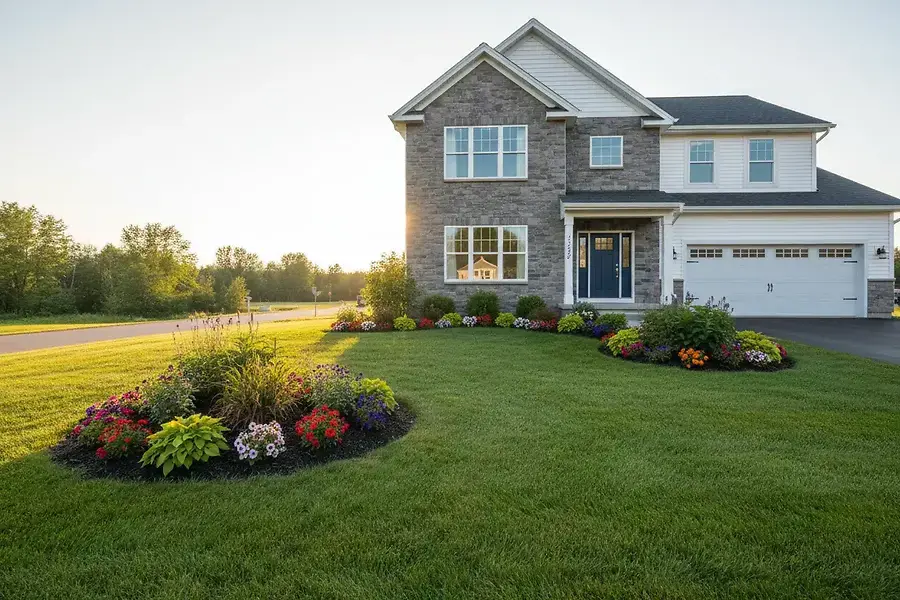
Your home's exterior is the first thing potential buyers see. Invest in landscaping, fresh paint, new hardware, and clean windows. A well-maintained front entrance can increase perceived value by 5-10%.
- Trim hedges and trees for a neat appearance
- Power wash driveways and walkways
- Update the front door and house numbers
- Ensure the lawn is healthy and well-maintained
- Add seasonal plants or flowers for visual interest
Interior Staging and Decluttering
Buyers need to envision themselves living in your home. Remove personal items, minimize furniture, and create a neutral, clean environment. Staging can make spaces appear larger and more appealing.
Necessary Repairs and Updates
Address any obvious issues before listing. Repair leaky faucets, replace broken tiles, and fix squeaky doors. Major systems like roofing, plumbing, and HVAC should be in excellent condition. Consider getting a pre-inspection to identify problems before buyers do.
Professional Photography and Virtual Tours
High-quality photos are essential in today's digital market. Many buyers begin their search online, so professional photography and virtual tours can significantly impact interest levels. Ensure proper lighting and showcase your home's best features.
Pricing Strategies and Competitive Analysis for Success
Pricing is one of the most critical decisions you'll make. Price too high, and your home sits on the market; price too low, and you leave money on the table.
Conducting a Comparative Market Analysis
Work with a qualified real estate agent to analyze comparable sales in your area. Look at homes similar in size, condition, and location that sold recently. This comparative market analysis (CMA) provides the foundation for your pricing strategy.
Consider these factors when comparing properties:
- Square footage and lot size
- Age and condition of the home
- Number of bedrooms and bathrooms
- Special features and upgrades
- Location and neighborhood desirability
Strategic Pricing Approaches
Competitive pricing means listing at or slightly below market value to generate interest and multiple offers. This approach often results in higher final sale prices due to bidding competition.
Premium pricing works if your home has unique features, exceptional condition, or superior location. However, this requires strong justification and may limit your buyer pool.
Timing Your Sale
Market timing can influence your success. Spring and early summer typically see higher buyer activity in Ellsworth. However, less competition during fall and winter months might mean faster sales for well-priced homes.
Closing the Deal: Negotiation and Final Steps
Once you receive offers, the real negotiation begins. How you handle this phase can significantly impact your final proceeds.
Evaluating and Responding to Offers
Don't focus solely on price. Consider the buyer's financing, contingencies, closing timeline, and inspection terms. A lower offer with fewer contingencies might be better than a higher offer with multiple conditions.
Key offer components to evaluate:
- Earnest money deposit amount
- Financing contingencies and pre-approval status
- Inspection and appraisal contingencies
- Requested closing date
- Requested seller concessions or repairs
Negotiation Tactics
Stay emotionally detached during negotiations. Your real estate agent can serve as a buffer and help you make objective decisions. Be prepared to walk away from unreasonable offers—sometimes the best negotiation tactic is patience.
Managing the Inspection and Appraisal
Prepare for the home inspection by ensuring everything is accessible and in good working order. If issues arise, decide in advance which repairs you'll handle and which you'll negotiate with the buyer.
The appraisal protects the lender and buyer. If the appraisal comes in low, you may need to renegotiate the price or provide additional documentation of your home's value.
Final Walkthrough and Closing
Conduct a final walkthrough 24 hours before closing to ensure agreed-upon repairs are complete and the home is in the expected condition. Review all closing documents carefully and ask questions about anything unclear.
Selling your home successfully requires preparation, realistic pricing, and strategic negotiation. By following these proven strategies, you'll be well-positioned to maximize your home's value and achieve a successful sale in the Ellsworth market.


