Selling Your Home in Middle Tennessee: Pricing Strategies That Work
Learn proven pricing tactics to maximize your home's market value across Nashville's hottest neighborhoods.

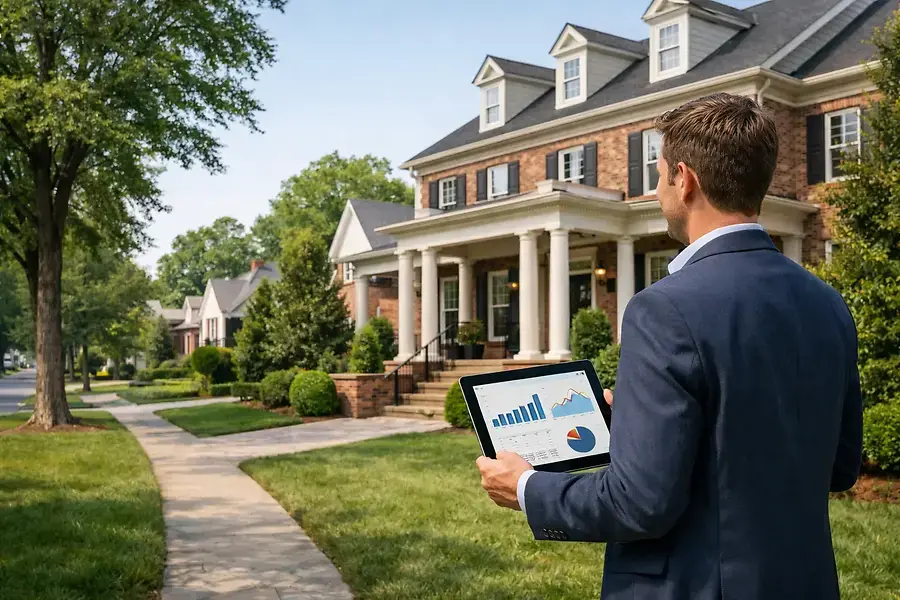
Understanding Current Market Conditions in Middle Tennessee
The Middle Tennessee real estate market continues to experience dynamic shifts that directly impact how homeowners should approach pricing their properties. Nashville and its surrounding areas have seen sustained interest from both local buyers and those relocating from across the country, creating a competitive landscape that demands strategic thinking.
The current market reflects a balance between buyer and seller interests. While inventory levels have stabilized compared to previous years, desirable neighborhoods still see properties move quickly when priced appropriately. Understanding these conditions is the foundation for any successful home sale.
Key Market Factors Affecting Your Home's Value
- Location demand: Neighborhoods closer to downtown Nashville, Brentwood, and Franklin command premium prices
- Interest rates: Current lending conditions influence buyer purchasing power and market activity
- Seasonal trends: Spring and early summer typically see increased buyer activity
- Local economic growth: Job creation and corporate relocations continue to drive demand
- Inventory levels: Lower inventory in desirable areas supports stronger pricing
Comparative Market Analysis: What Your Home is Really Worth
Before listing your home, conducting a thorough comparative market analysis (CMA) is essential. This process involves examining recently sold properties similar to yours in terms of size, condition, location, and features. A proper CMA provides the data-driven foundation for pricing decisions.
Steps to Conduct an Effective CMA
Analyze recent sales: Look at homes that sold within the last 90 days in your neighborhood. Properties that sold 6-12 months ago may not reflect current market conditions accurately. Focus on homes with similar square footage, bedroom count, and lot size.
Consider property condition: A recently renovated home in your neighborhood will command higher prices than one needing updates. Be honest about your home's condition and adjust your expectations accordingly. Buyers notice deferred maintenance and factor it into their offers.
Account for unique features: Does your home have a pool, updated kitchen, or energy-efficient systems? These features can justify premium pricing. Conversely, properties with fewer amenities should be priced more competitively.
The Danger of Overpricing
Overpricing your home is one of the most common mistakes sellers make. Properties that sit on the market too long develop a stigma that makes them harder to sell, even after price reductions.
When homes are overpriced, they often languish on the market. Serious buyers and their agents notice properties that have been listed for extended periods, and this creates doubt about value. Price reductions after extended listing periods frequently result in final sale prices lower than what the home would have commanded with correct initial pricing.
Strategic Pricing to Attract Serious Buyers and Minimize Days on Market
Once you understand your home's true market value, strategic pricing becomes your competitive advantage. The goal is to attract serious, qualified buyers while maximizing your sale price.
The Psychology of Pricing
Buyers often search for homes within specific price ranges. A home priced at $449,900 will appear in searches for homes under $450,000, while a $450,000 listing won't. This psychological pricing strategy can significantly increase your home's visibility to potential buyers.
Consider pricing your home slightly below market value to generate immediate interest and multiple offers. In competitive markets, this strategy often results in bidding wars that drive the final sale price above your initial asking price. The key is finding the sweet spot between attracting attention and leaving money on the table.
Timing Your Price Strategically
If your home doesn't sell within the first two weeks of listing, the market has spoken. Rather than waiting months for the right buyer at your original price, consider a strategic price reduction. A 5-10% reduction can reignite buyer interest and position your home as a fresh listing in agent searches.
Neighborhood-Specific Pricing Considerations
East Nashville: This trendy neighborhood attracts younger buyers and investors. Homes with character, original hardwood floors, and walkability command premium prices. Pricing competitively here is crucial due to high demand.
Brentwood and Franklin: These affluent suburbs appeal to families and established professionals. Larger lots, newer construction, and excellent schools justify higher price points. Don't underprice quality properties in these areas.
Sylvan Park and Green Hills: These established neighborhoods offer a mix of older charm and newer renovations. Pricing should reflect the home's condition and recent upgrades. Homes with updated systems and modern amenities can command premium prices.
Emerging neighborhoods: Areas experiencing revitalization offer opportunities for competitive pricing. These neighborhoods attract value-conscious buyers and investors, so pricing should reflect growth potential rather than current comparable sales alone.
Presentation and Pricing Go Hand in Hand
Strategic pricing works best when combined with excellent home presentation. A well-maintained, staged home priced correctly will sell faster and for more money than a neglected home at any price. Invest in curb appeal, decluttering, and minor repairs before listing. These improvements often return 50-100% of their cost in the final sale price.
Conclusion: Positioning Your Home for a Successful Sale
Selling your home in Middle Tennessee requires a data-driven approach to pricing. By understanding current market conditions, conducting a thorough comparative market analysis, and implementing strategic pricing tactics, you position yourself for a successful sale.
Remember that pricing is not static. The market evolves, and your pricing strategy should adapt accordingly. Work with a knowledgeable real estate agent who understands your specific neighborhood and can provide current market data. The difference between a home that sells quickly at top dollar and one that languishes on the market often comes down to pricing strategy.
Your home is likely one of your most valuable assets. Taking time to price it correctly isn't just about maximizing profit—it's about respecting the market and positioning your property for success from day one. With the right pricing strategy, you'll attract serious buyers, minimize days on market, and achieve the sale you're looking for.


